

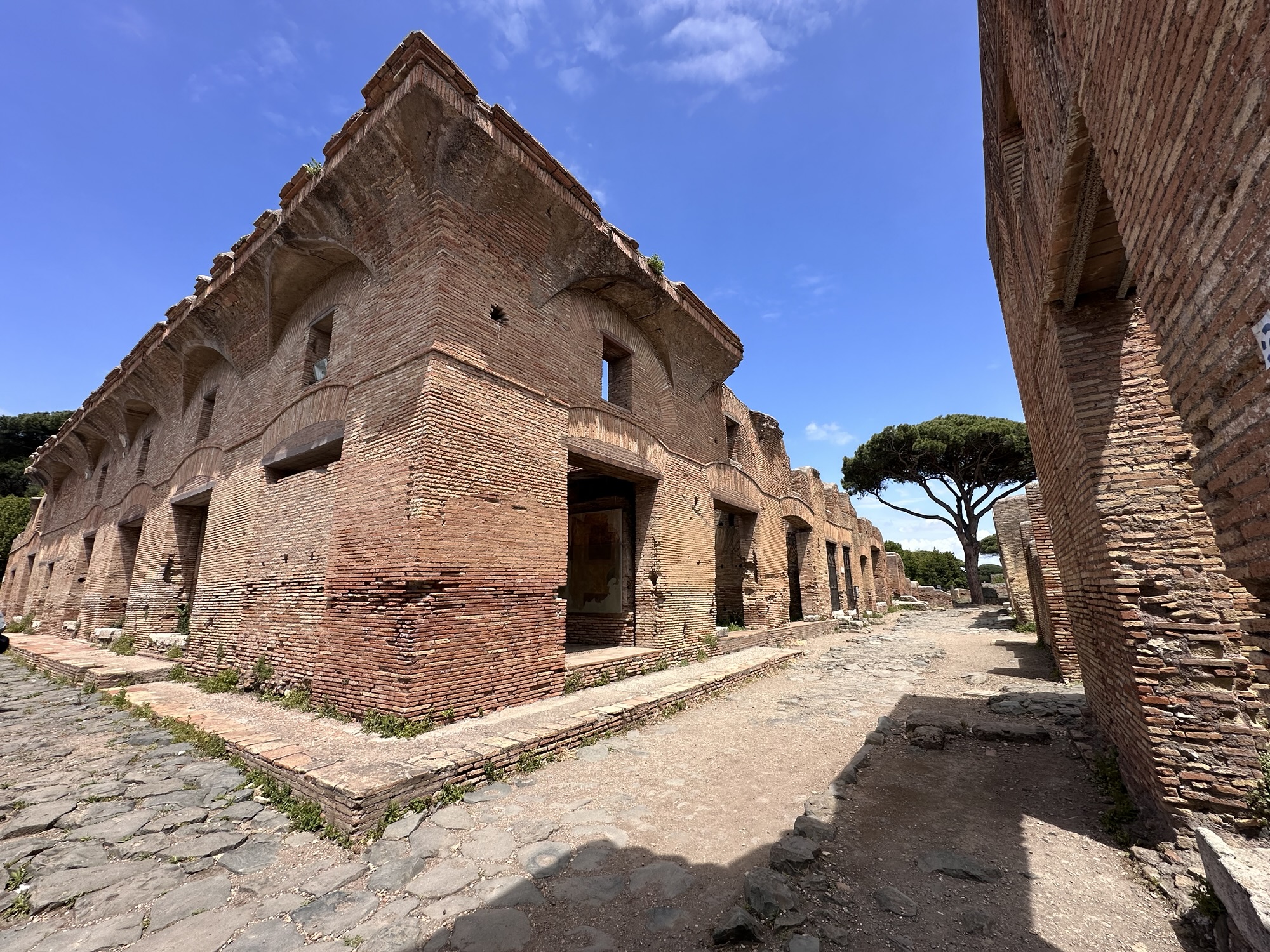
This morning we picked up our rental car (who we named Giovanna) at the Termini train station and set out for the ruined city of Ostia Antica on the west coast.

This large archaeological site close to the modern town of Ostia was once the main harbour city for ancient Rome. This first Roman colony was named for the Latin word for mouth, as it was built at the mouth of the Tiber River. The site is well preserved as it had been covered for centuries by layers of silt from the river.
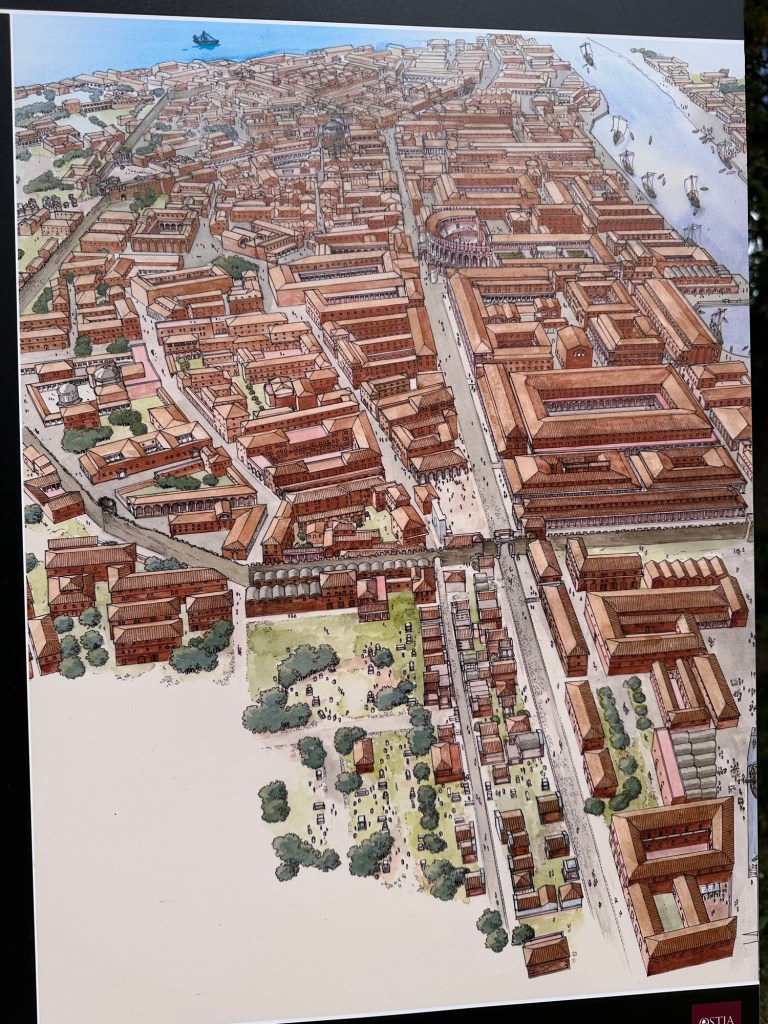
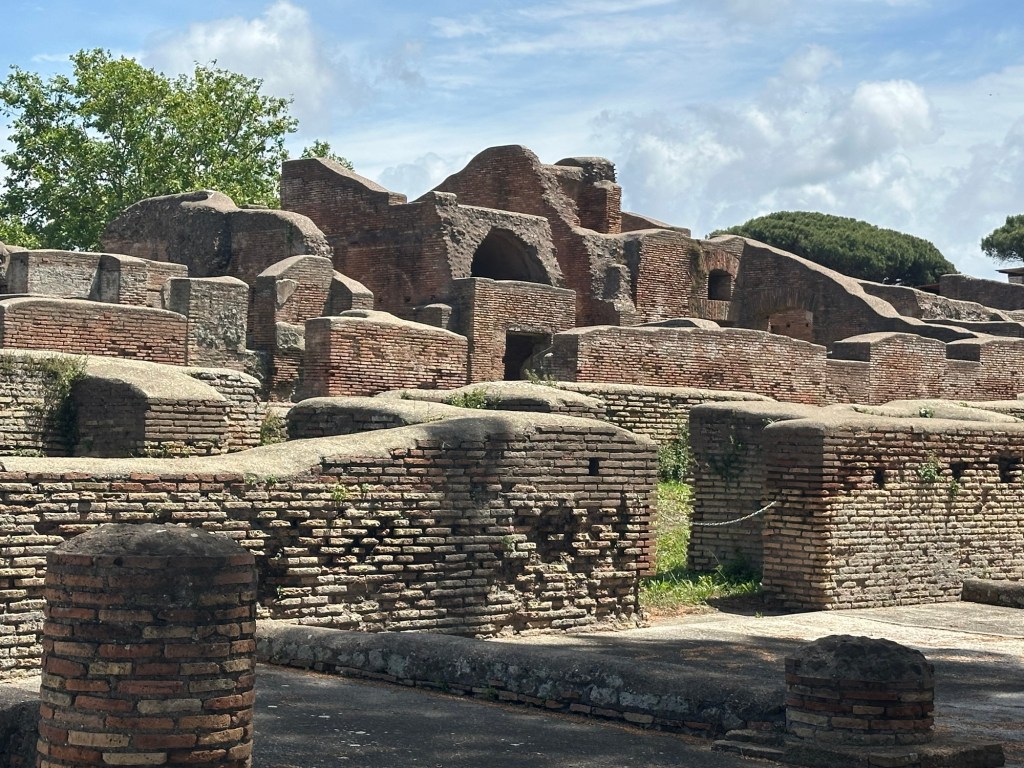
It is likely that the first castrum, or military camp/fort was built here in the 7th C BC under Ancus Marcius, the fourth king of Rome, although the oldest archaeological remains date from the 4th C BC.
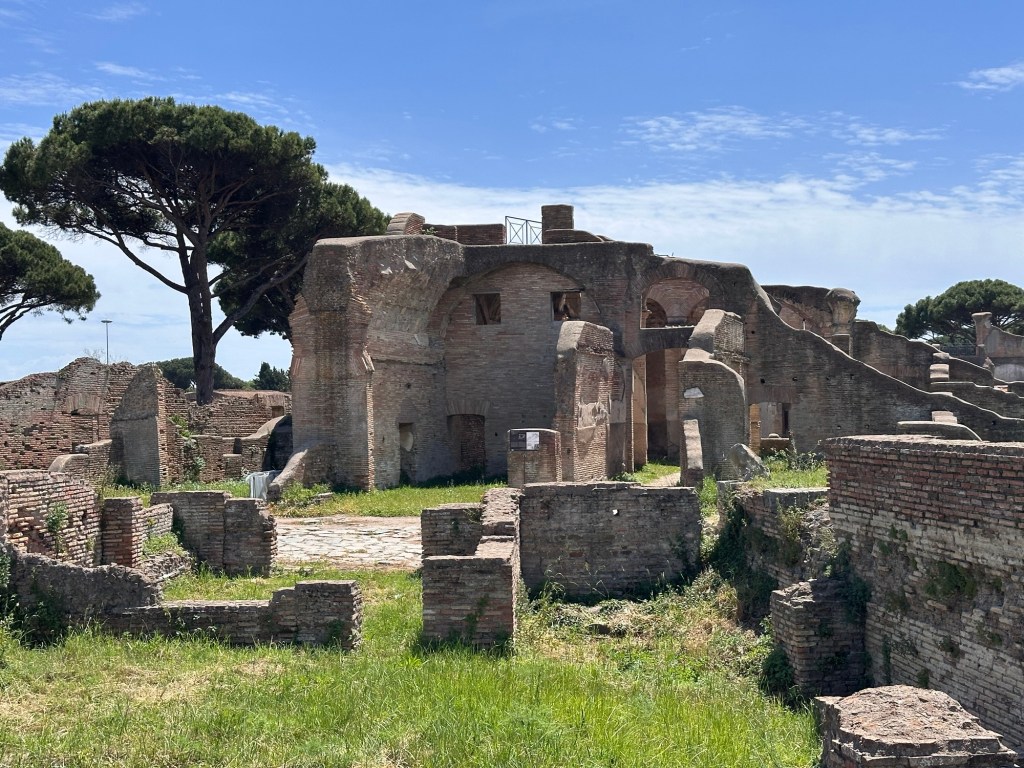
The walls around the site provide important evidence of a particular construction technique called opus quadratum, where bricks were set in offset parallel courses, often without the use of mortar.

Roman mosaics were a common feature of private homes and public buildings throughout the empire. Some were strictly ornamental, while others, such as those found on the floor, were designed to provide a durable walking surface. This durability has made mosaics one of the most common relics found in ancient sites.

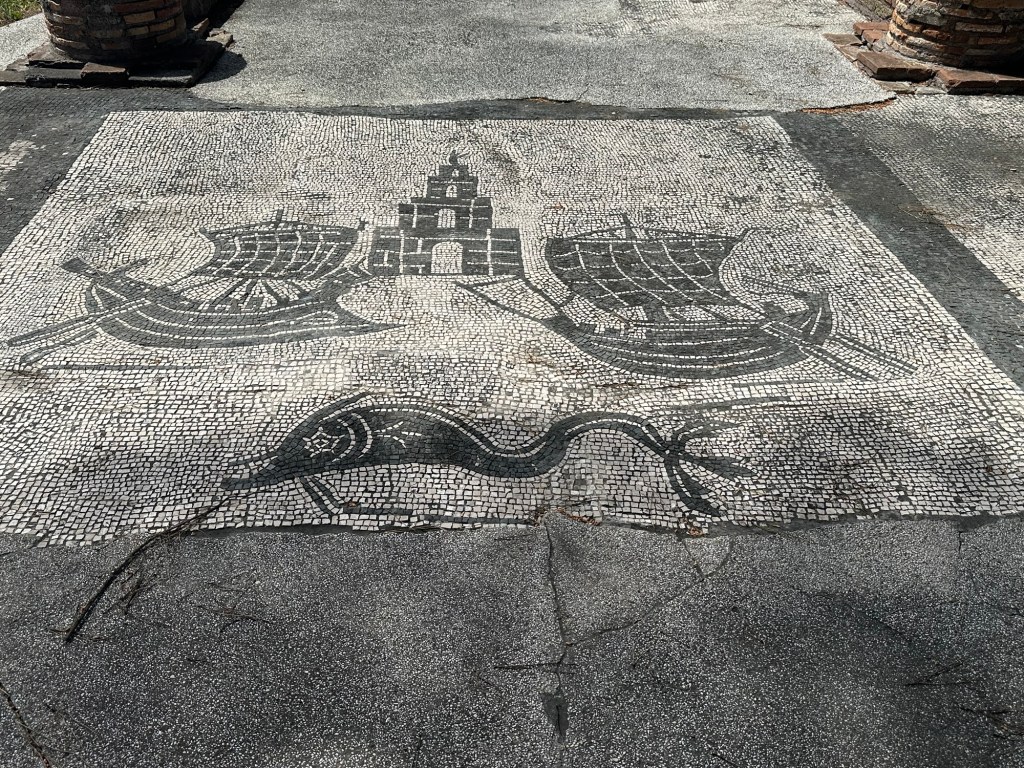
The numerous black and white mosaics found in Ostia Antica demonstrate the importance of commerce at this once bustling city.


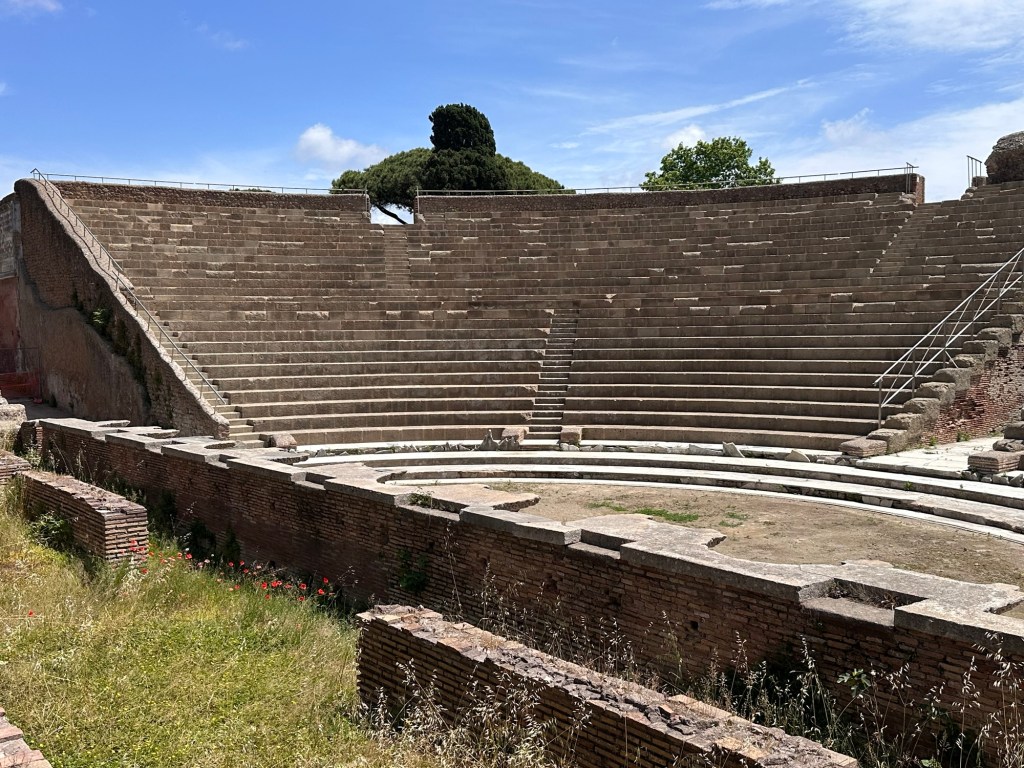
The first theatre was built in the first century AD under the emperor Tiberius and could house 4,000 spectators.
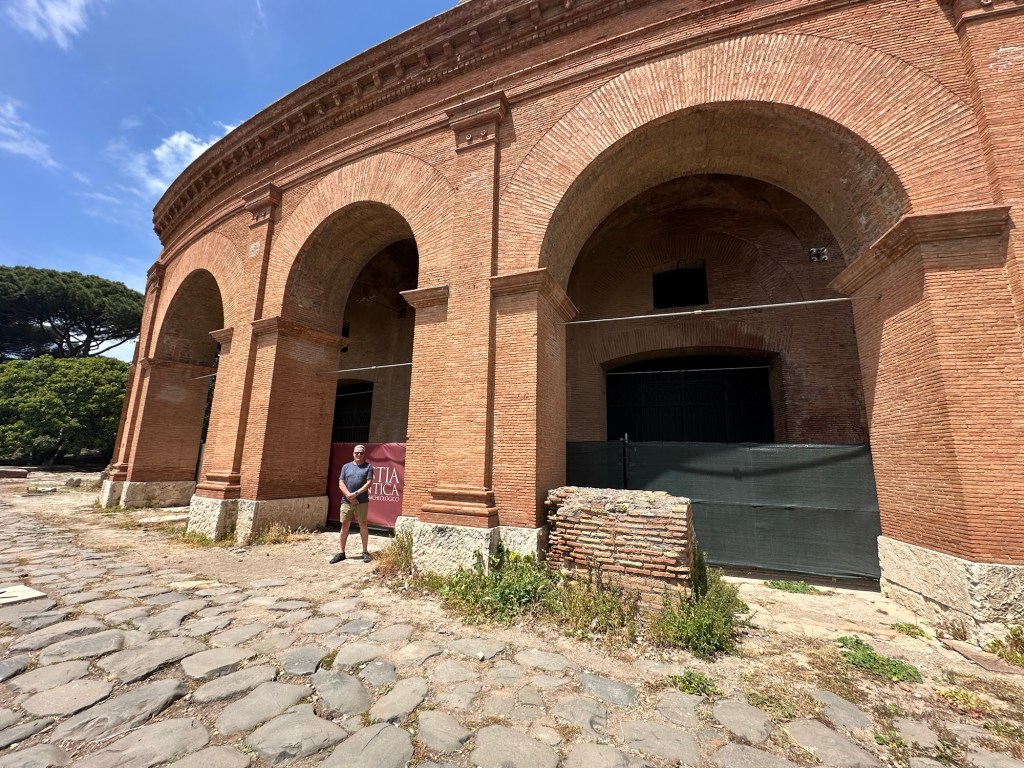

In the Forum of the Guilds, mosaics were used for advertising.
Shop owners, from grain traders to ship builders to animal importers depicted their vocation in mosaics on the sidewalk out front.



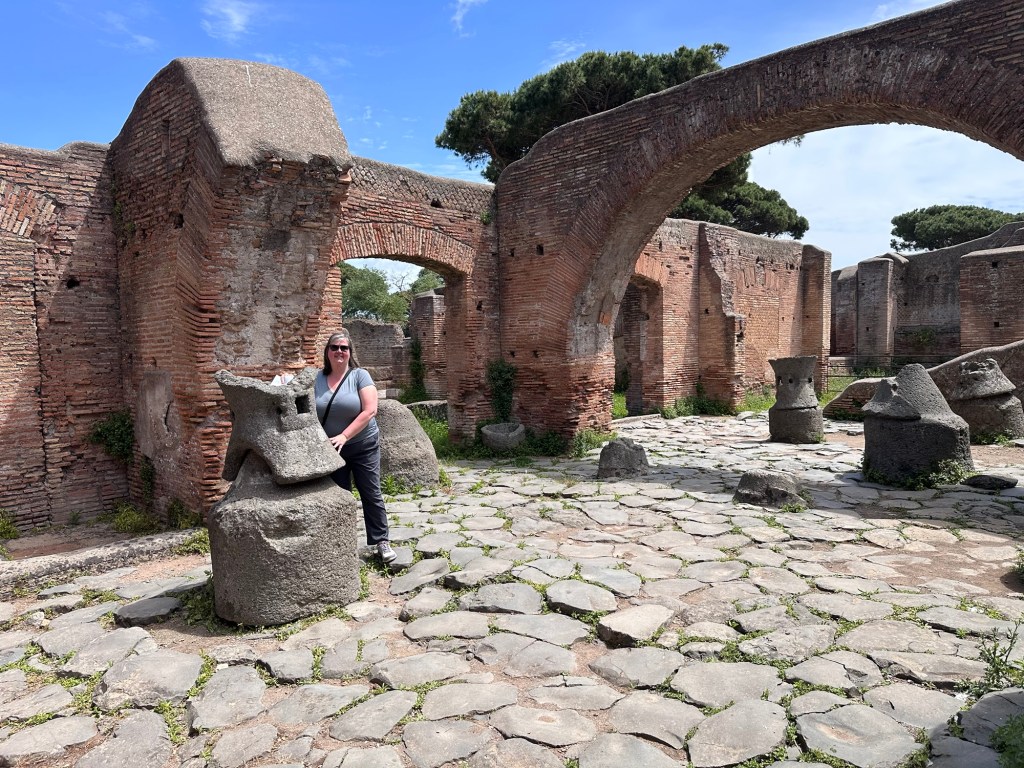
Bread was a staple of the Roman diet and mills and bakeries were regular features in every city.
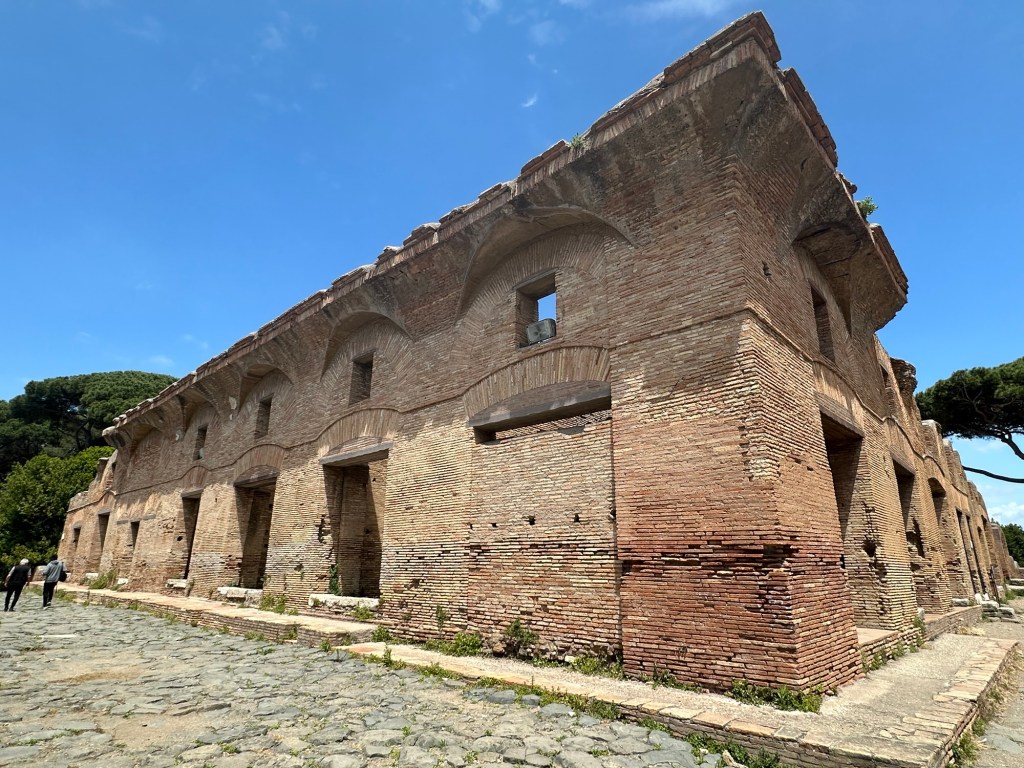
This block is an example of an insula, a multi-storey apartment building for (mostly) middle class citizens. Stores would be on the bottom floor, shopkeepers on the first level, and residents lived upstairs
The Capitolium is a temple dedicated to the Capitoline triad of Roman gods: Jupiter, the supreme gods, his wife Juno & Minerva, their daughter.

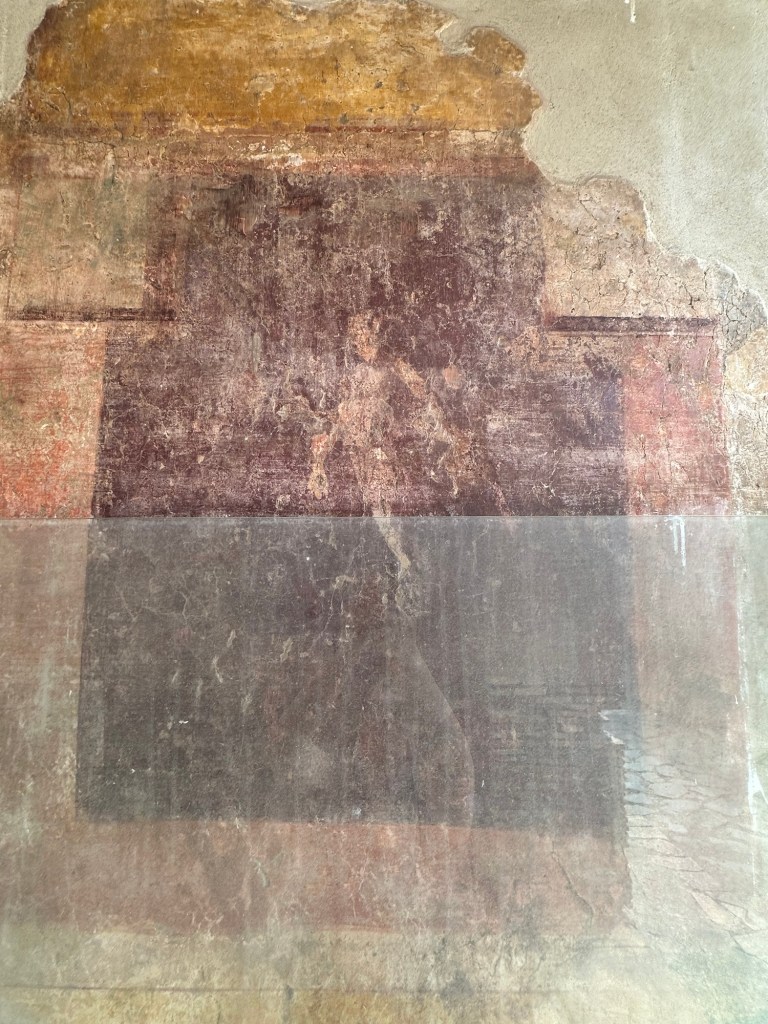
Colourful tile floor in the House of Cupid and Psyche (Domus di Amor e Psiche)


Mithras is the Persian god of the sun, justice and war, worshipped 2000 years before the birth of Christ but with a very similar creation story. His mother, Anahita, was a virgin, his birth on the winter solstice was witnessed by shepherds, he had 12 apostles who followed him on his journeys, was killed and resurrected.

Mithras was born bearing a torch and armed with a knife. As a child he rode, and later killed the life-giving cosmic bull, a symbol of masculinity, whose blood fertilizes all vegetation.


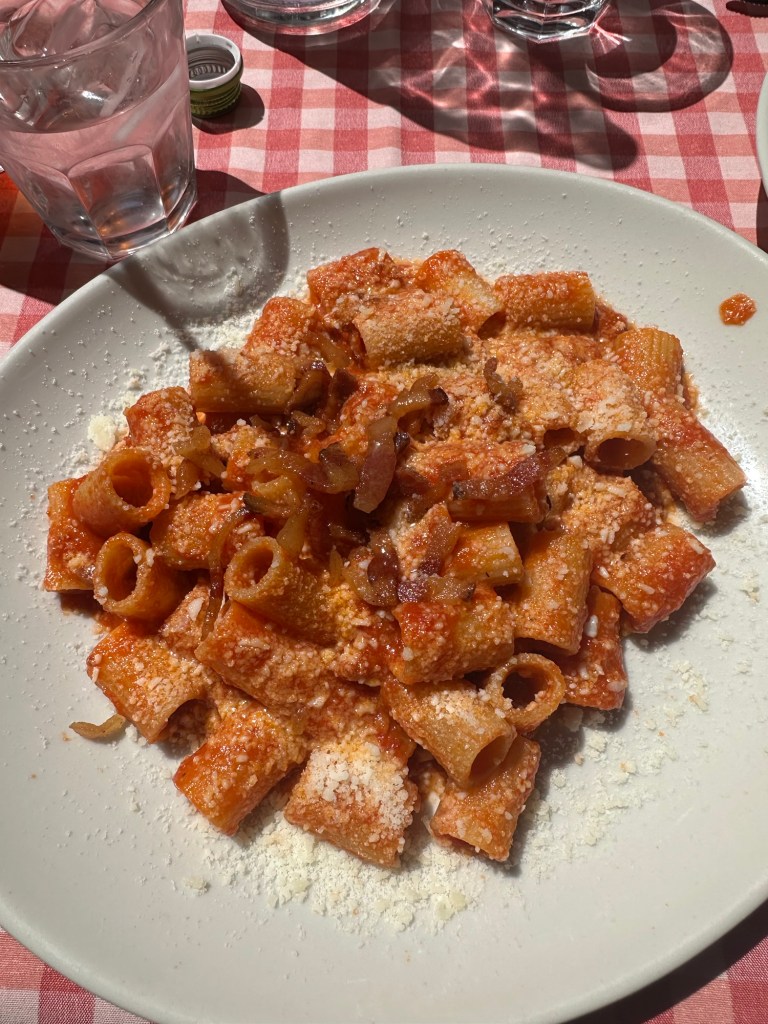
After lunch in Ostia we drove into Tuscany to our gorgeous hotel in Poggio Murella just outside of Saturnia.


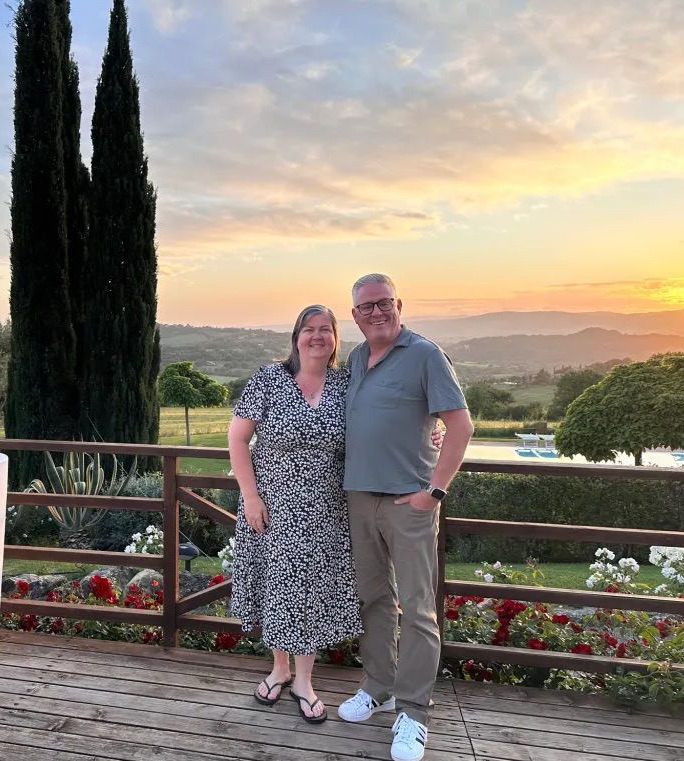
We celebrated our 32nd wedding anniversary with a great dinner at the hotel’s restaurant with a view over the fields.



Leave a Reply