

The second week of our trip will be just the two of us, exploring the Loire Valley, touring several 17th C chateaux and tasting lots of wine.
The Loire is the longest river in France. It officially separates France into north and south regions. The river was the farthest point the Moors conquered as they pushed into Europe from Morocco.
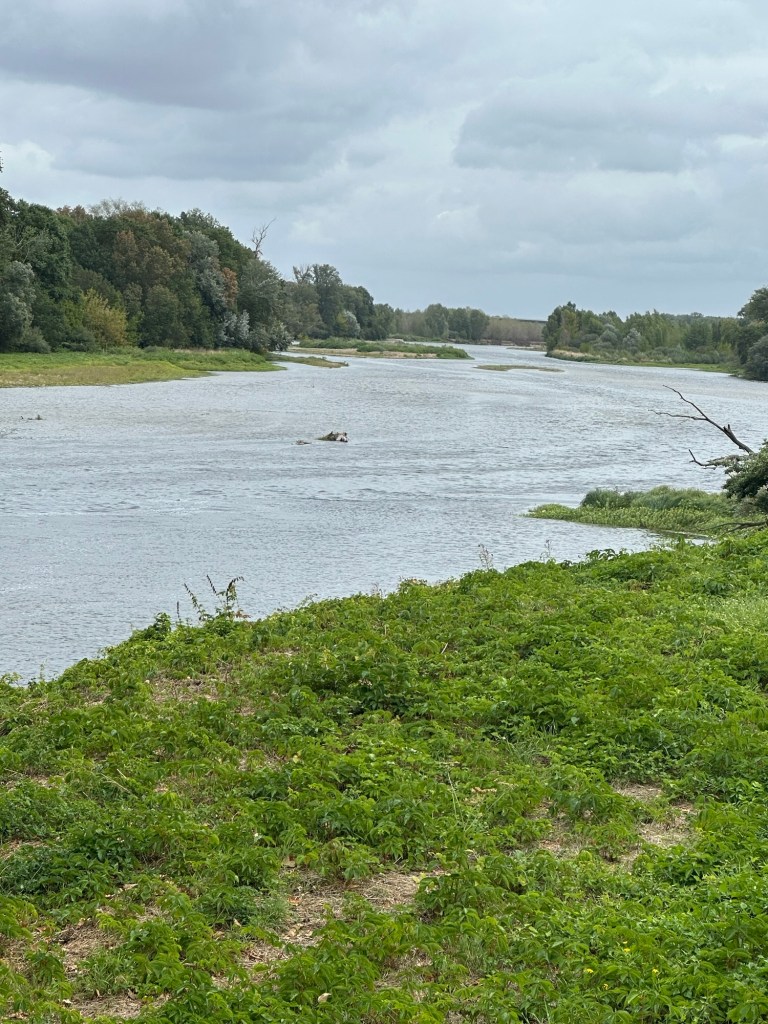
The Loire Valley, called the Garden of France, is the third largest wine region in the country.
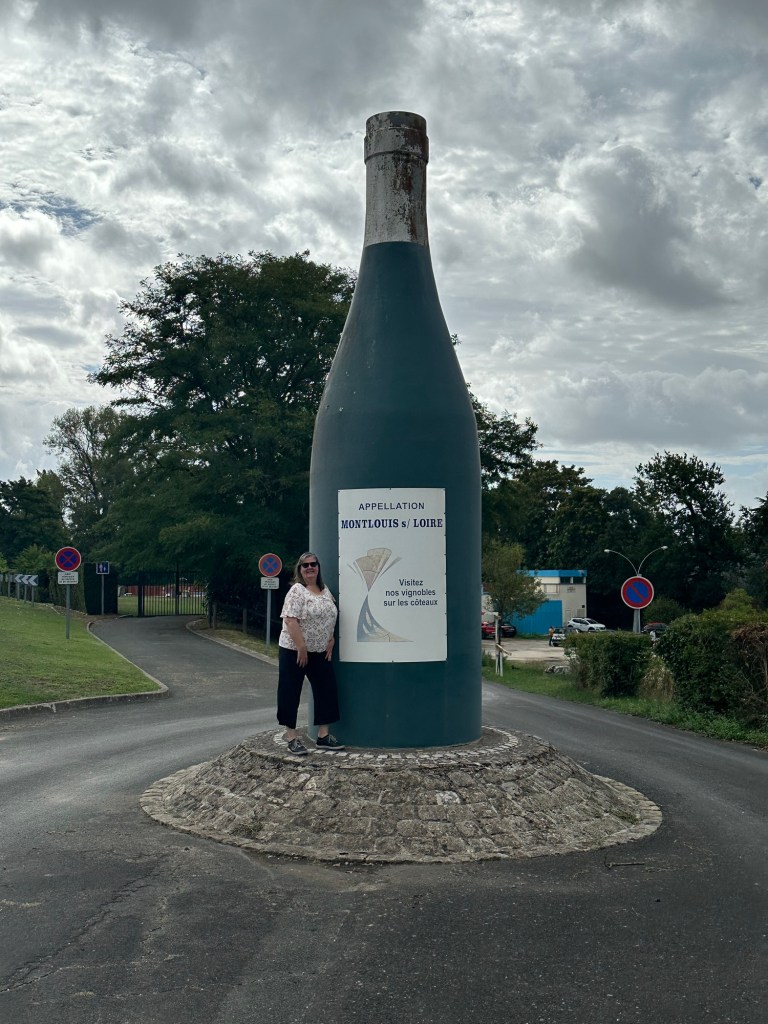
It is a diverse region, making still, sparkling, dry, sweet, white, red and rose wines. The white grapes grown here are predominantly Chenin Blanc; the reds are Cabernet Franc, described as the feminine side of Cabernet Sauvignon.
The French Revolution (1789-1799) forever severed the relationship between the church and the country’s wineries. Napoleon ordered vineyards to be removed from church ownership and sold to local peasants. Today, estates are usually small and many are family owned. Those are the ones that we like to visit!
The town of Amboise is a half-hour drive east of Tours. The first thing we did after finding parking in town was walk across the Pont du Marechal-Leclerc onto l’Ile d’Or, the Golden Island. The island is the only one in the Loire to have permanent buildings, as it is substantial enough to be flood-proof.
The Chateau Royal d’Amboise was the royal residence of King Francois I. There has been a castle here since Roman times.

Leonardo da Vinci retired to Amboise from Rome in 1516, after being invited by the King. His resume stated he could help the king’s armies by designing tanks, flying machines, gear systems and water pumps.

Da Vinci lived at the Chateau du Clos-Luce in Amboise for three years until his death in 1519 and is buried in the chapel of Saint-Hubert in the gardens of the chateau.
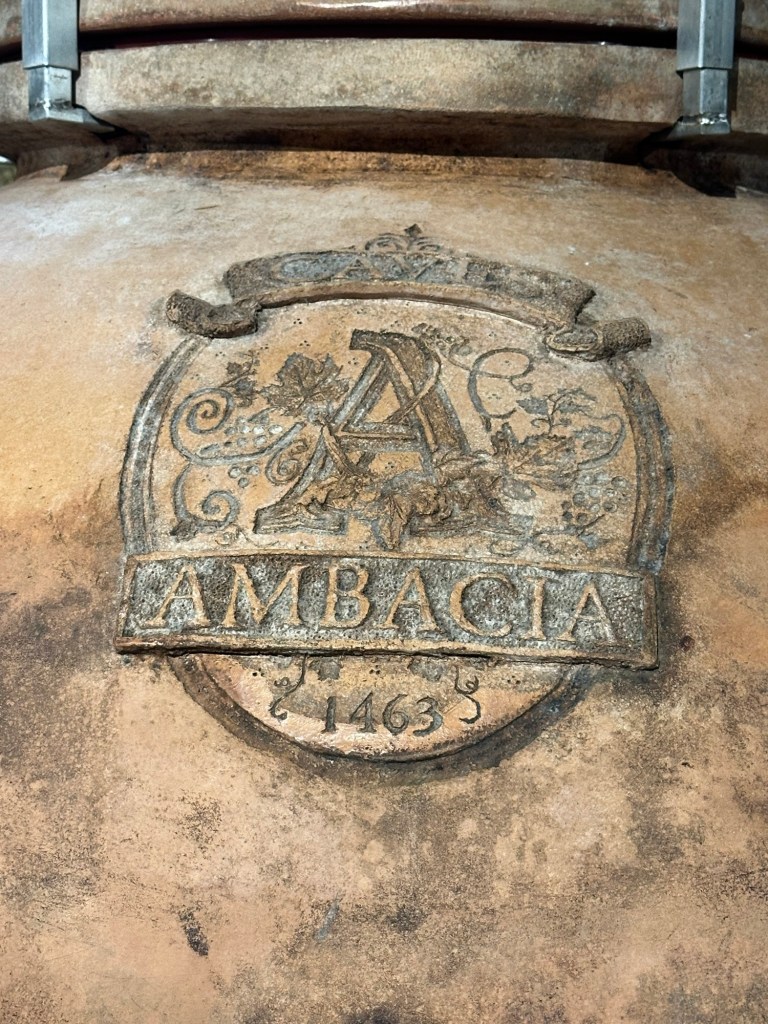
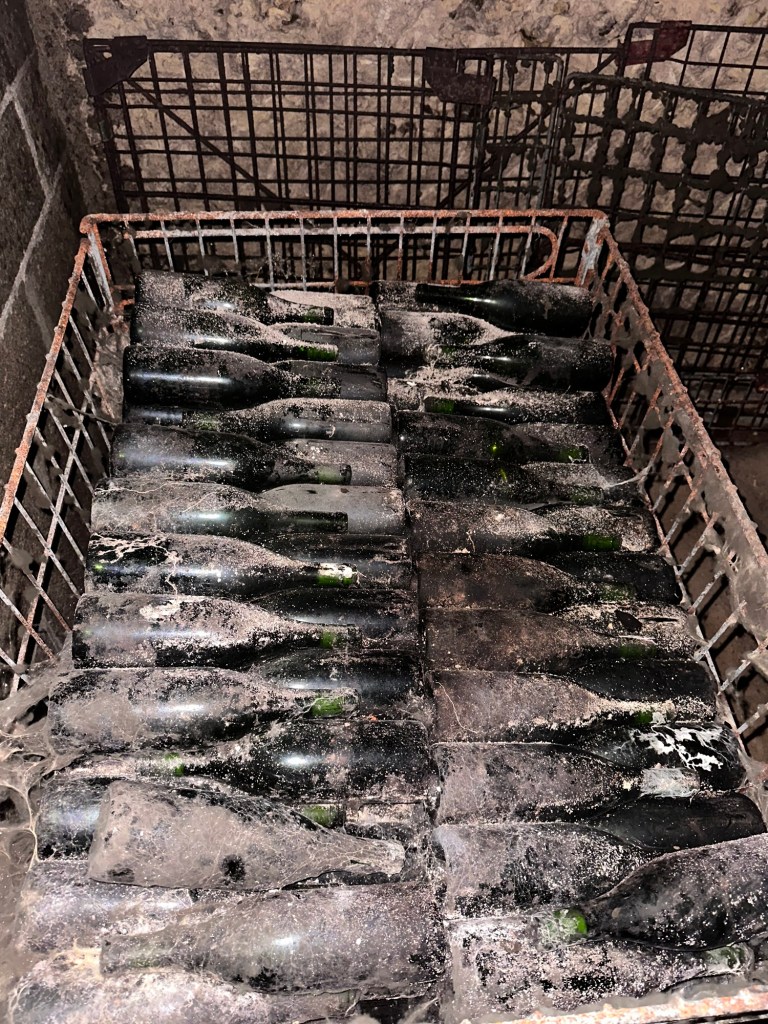
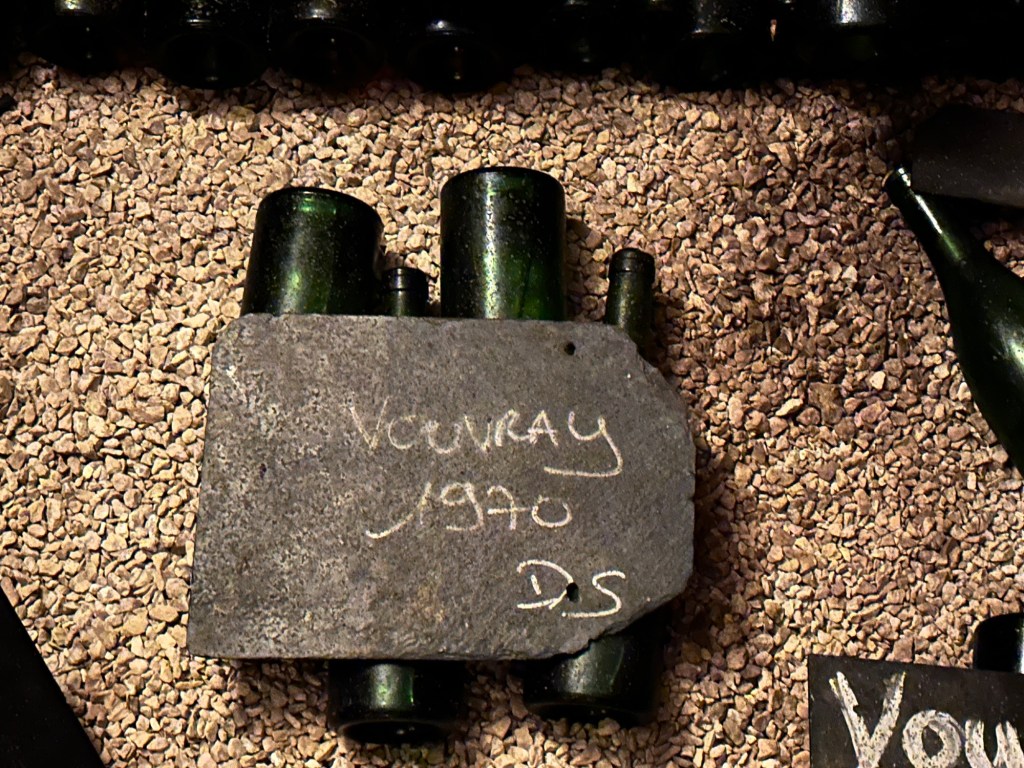
We had our first lesson about wine production with Tomas at Les Caves Ambacia, along with a tour of their ancient cave system.
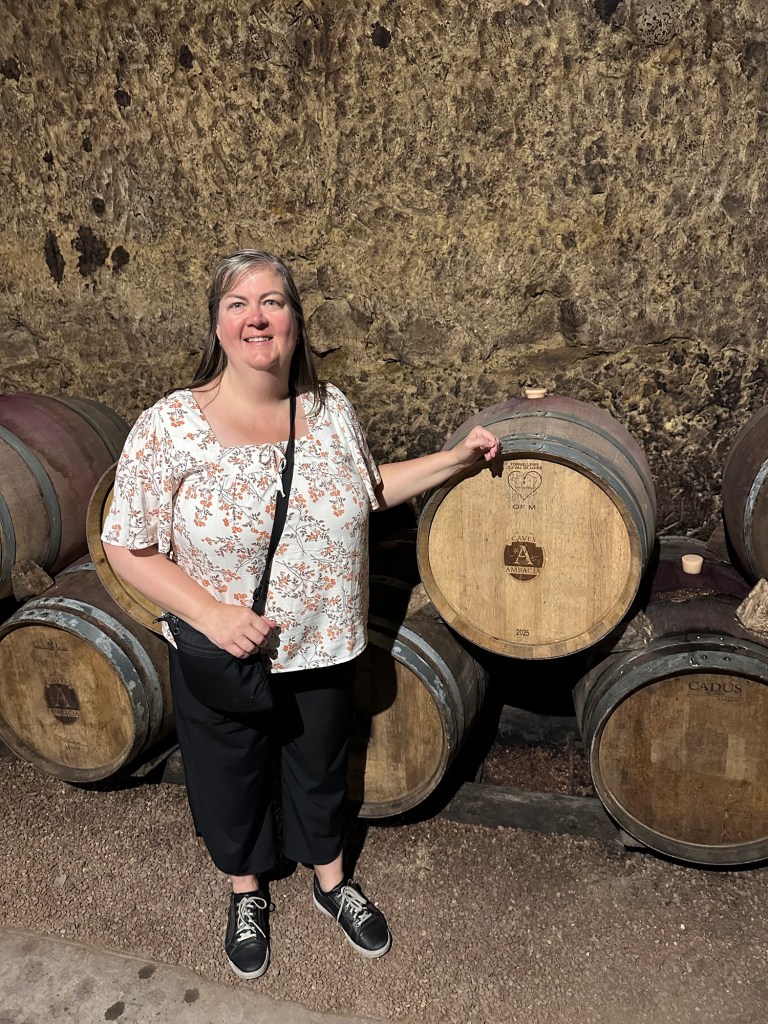
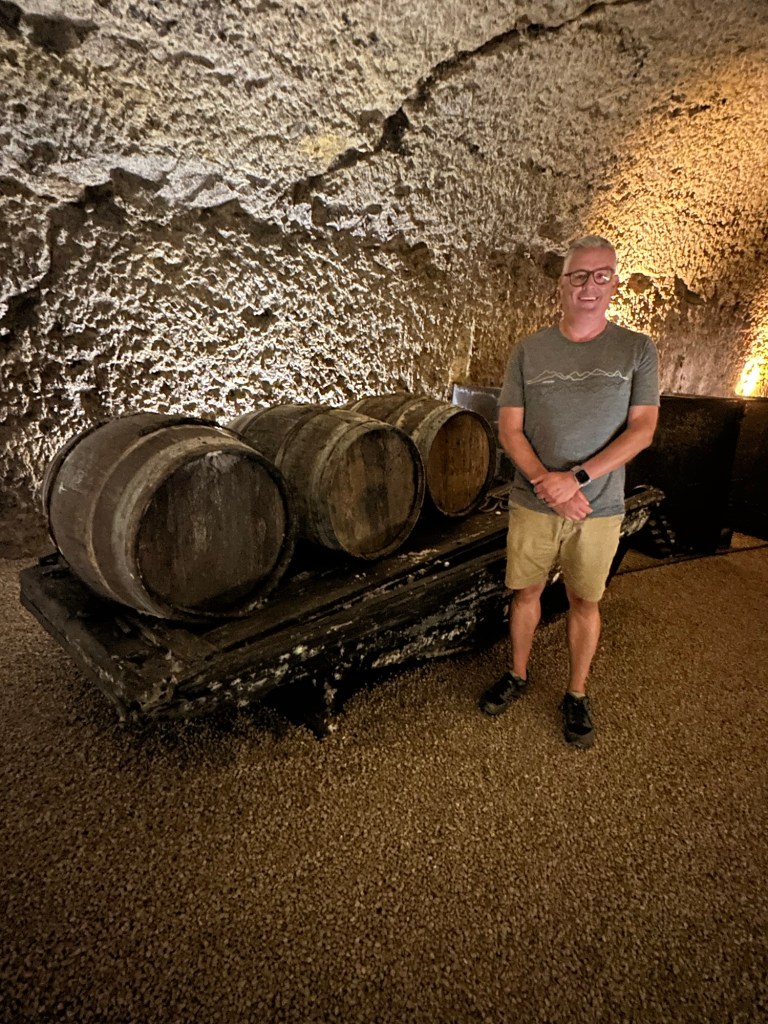
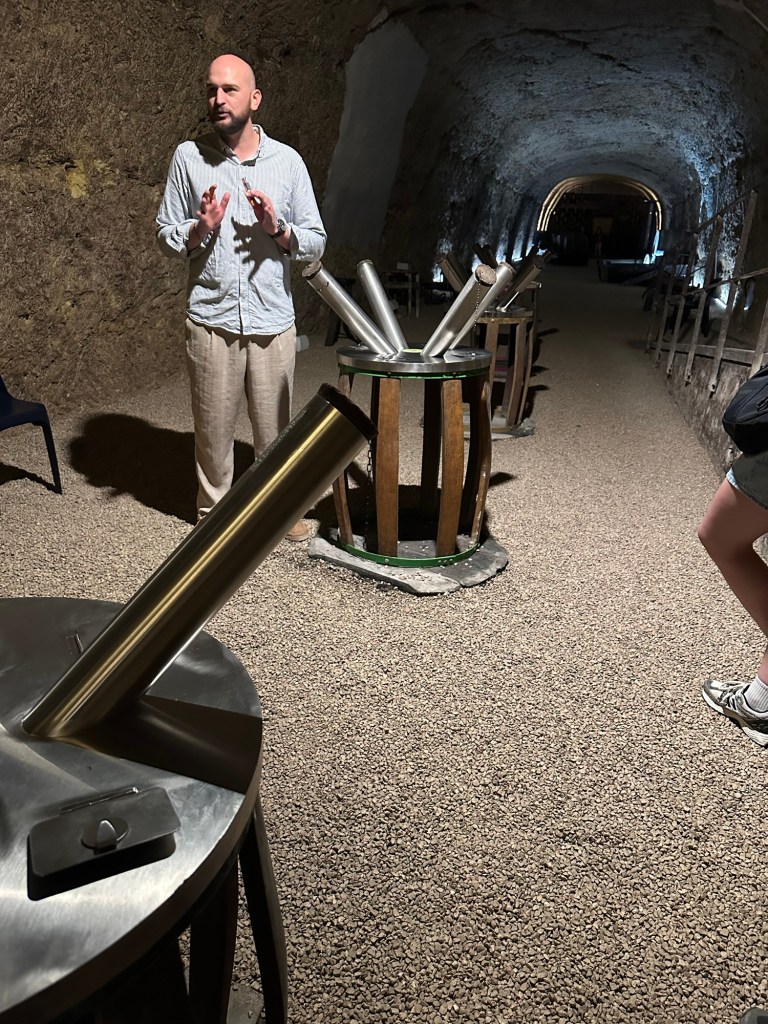
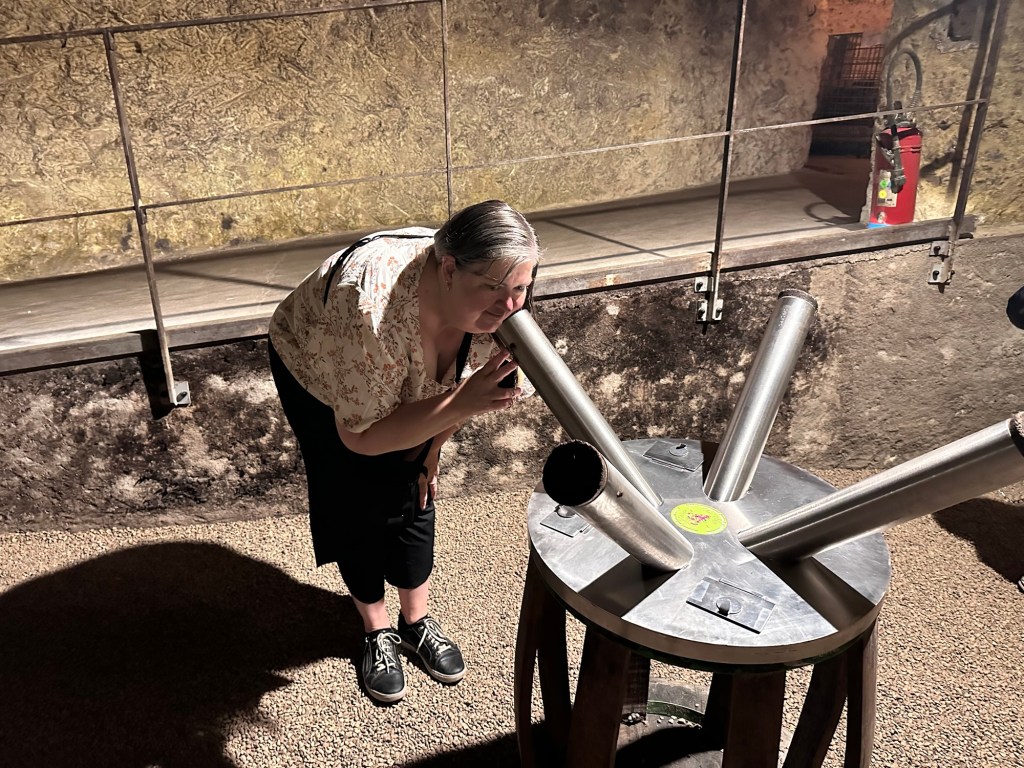
(all possible with Chenin Blanc grapes)

We had an amazing lunch in the upstairs bistro with a view of the river.
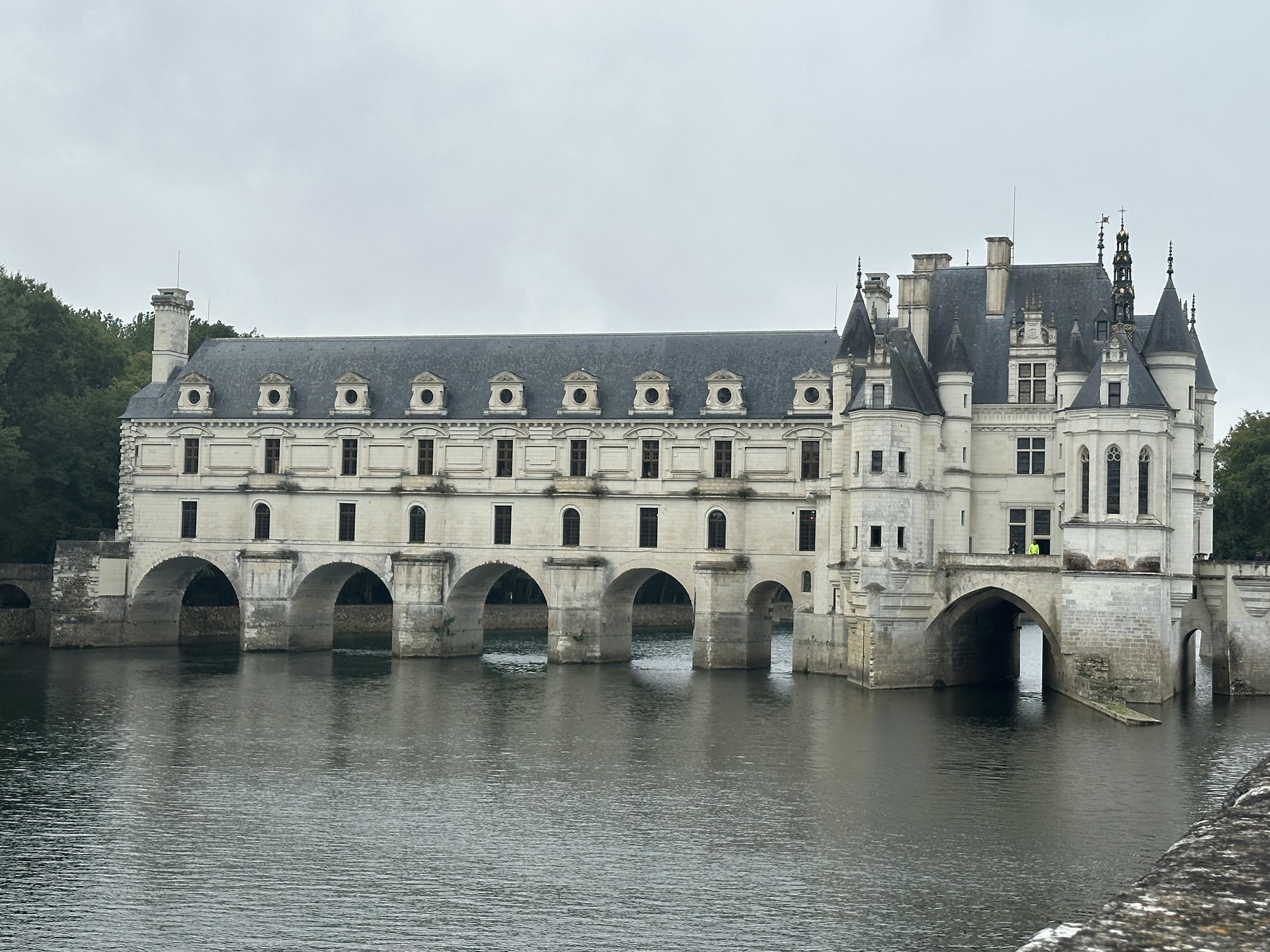
The Chateau Chenonceau was built in 1514-1522 over the River Cher on the foundation of an old mill and is said to be the most impressive chateau in France after Versailles.
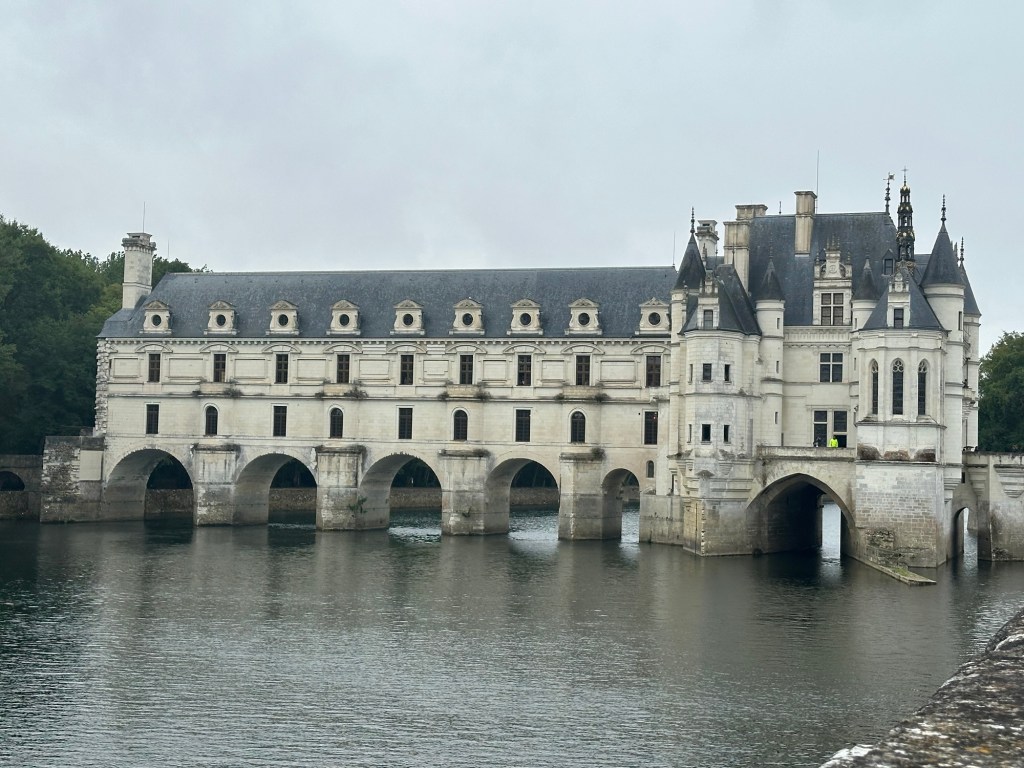


The palace has several nicknames. It is called the Water Castle for obvious reasons. It is also called the Castle of Ladies. Originally built by Katherine Briconnet, the property was gifted to Diane de Poitiers, the mistress of Henry II, much to the chagrin of his wife, Catherine de Medici. As soon as Catherine heard of the death of the king, the first thing she did was kick Diane de Poitiers out of the castle.
Cultured gardens named for both women flank the castle.

Several other prominent women have called the castle home since.

We had one last dinner with Eric in Tours. Tomorrow we head deeper into the Loire Valley.


Leave a Reply