


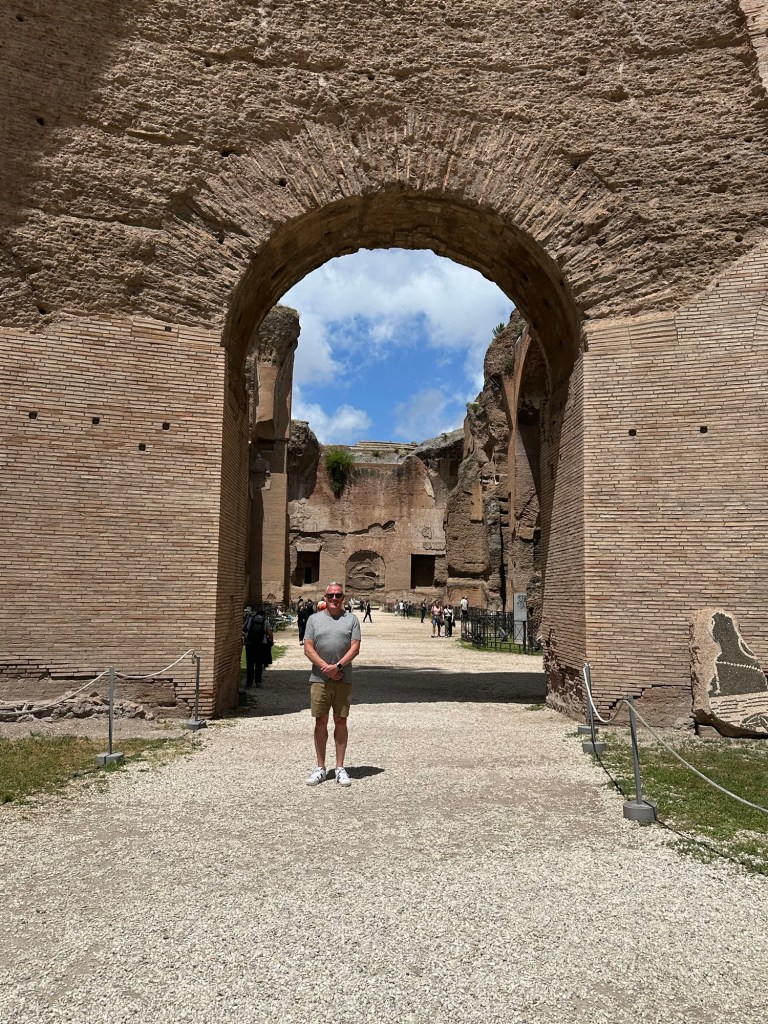
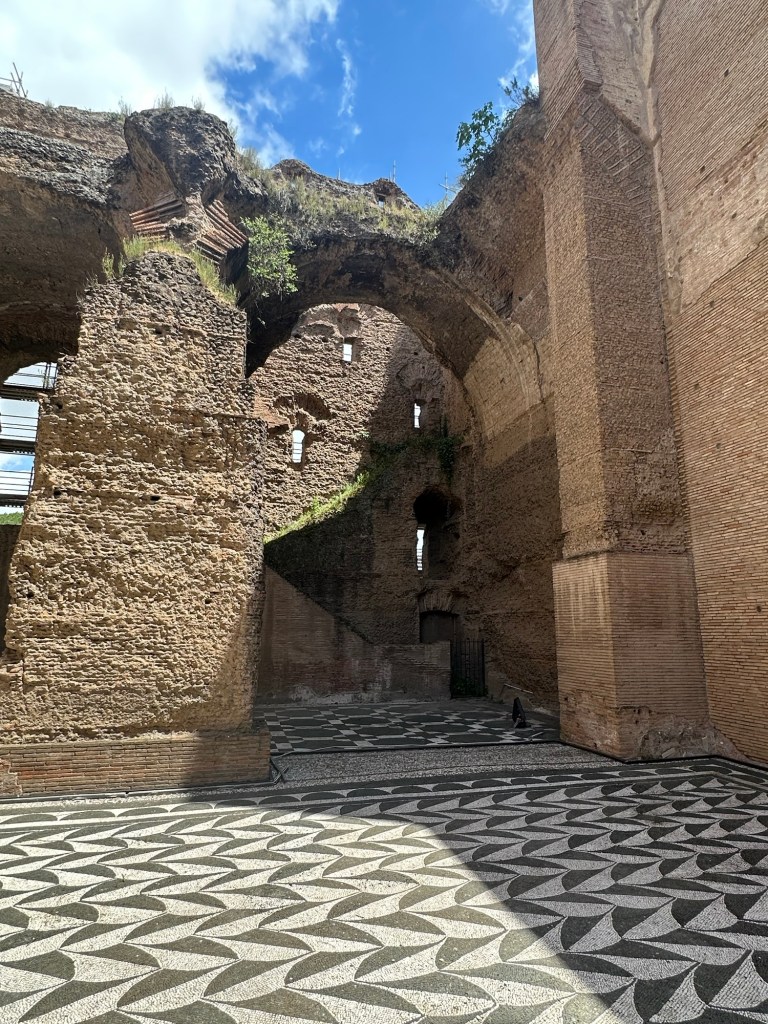
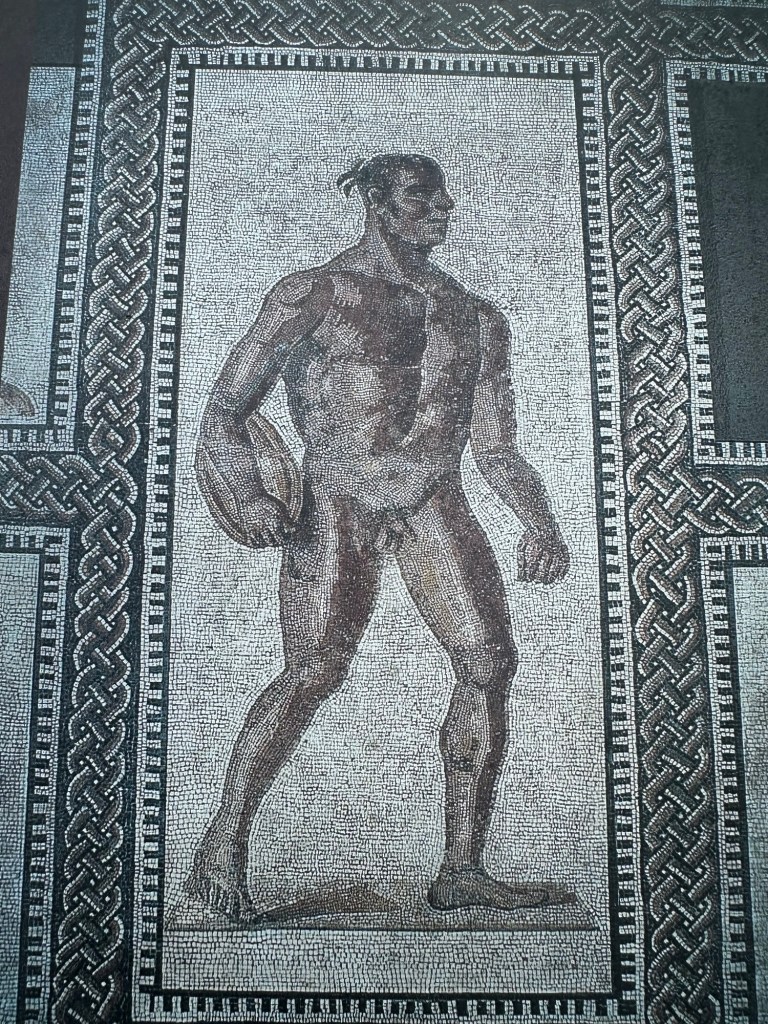
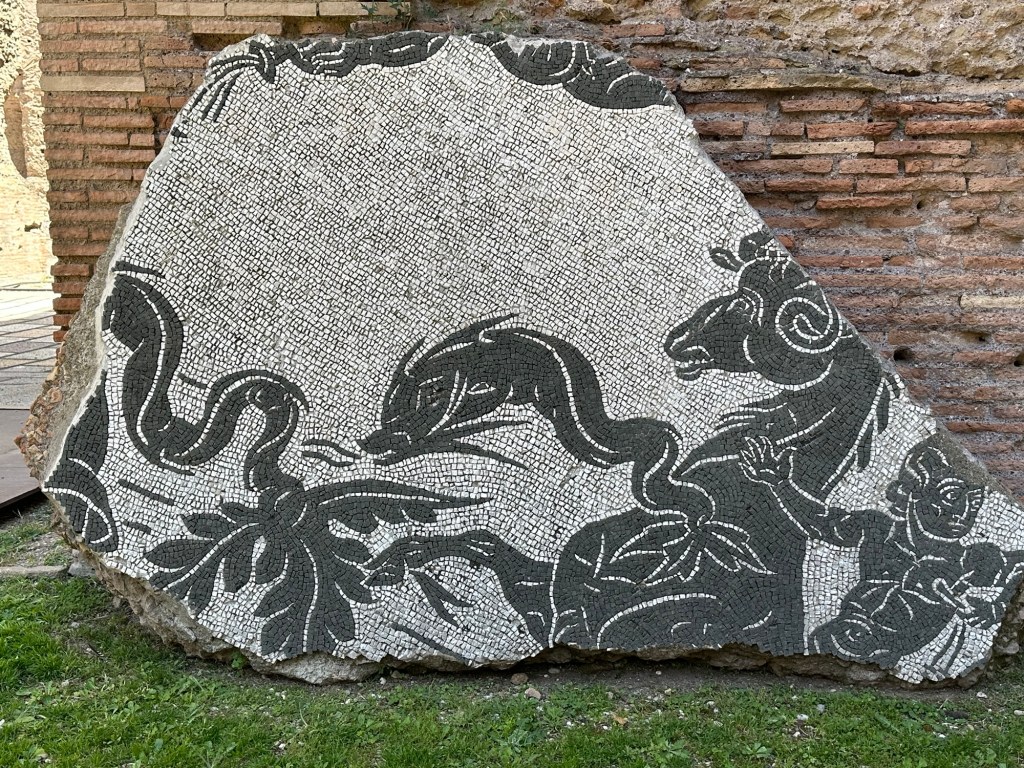
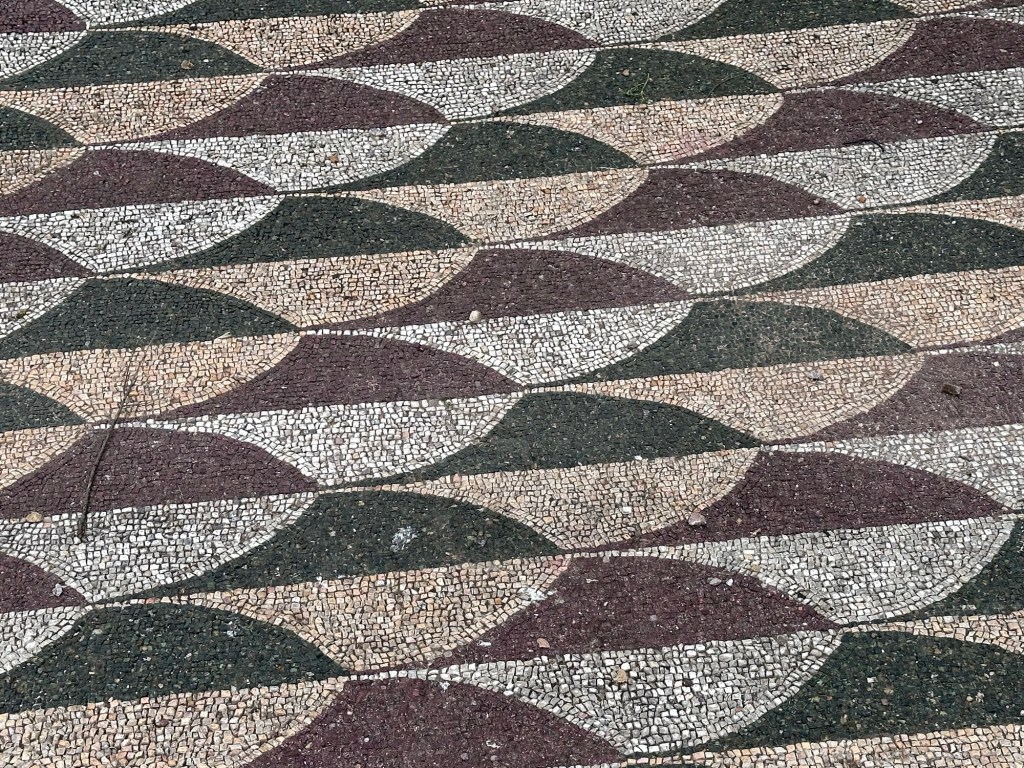
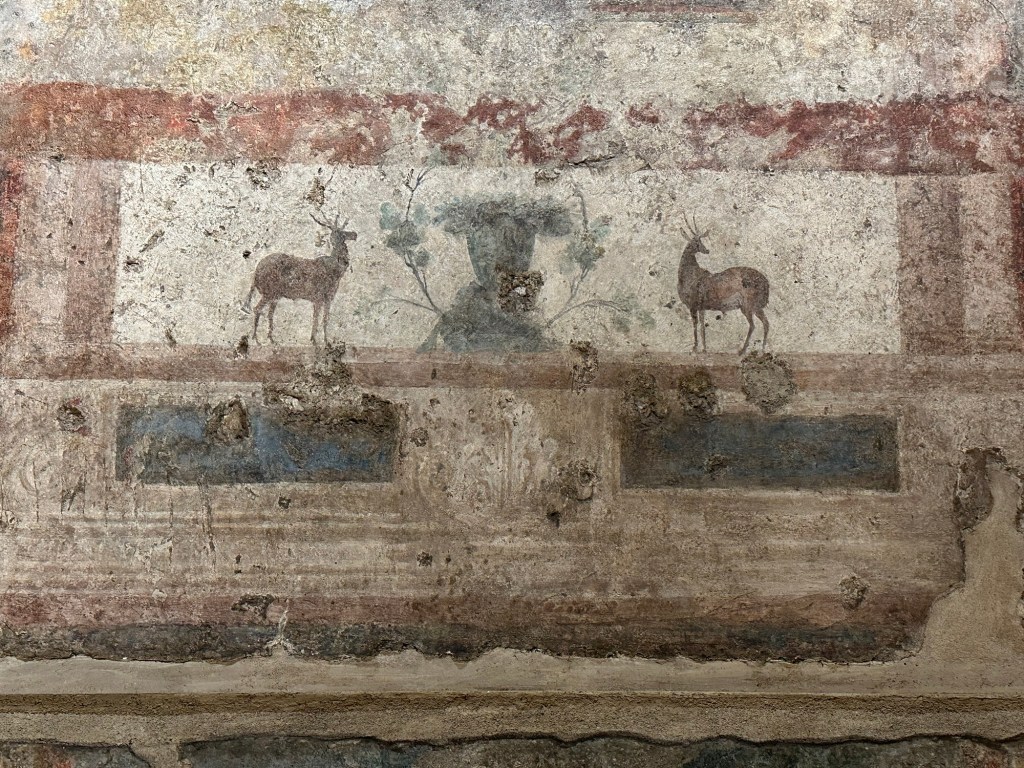
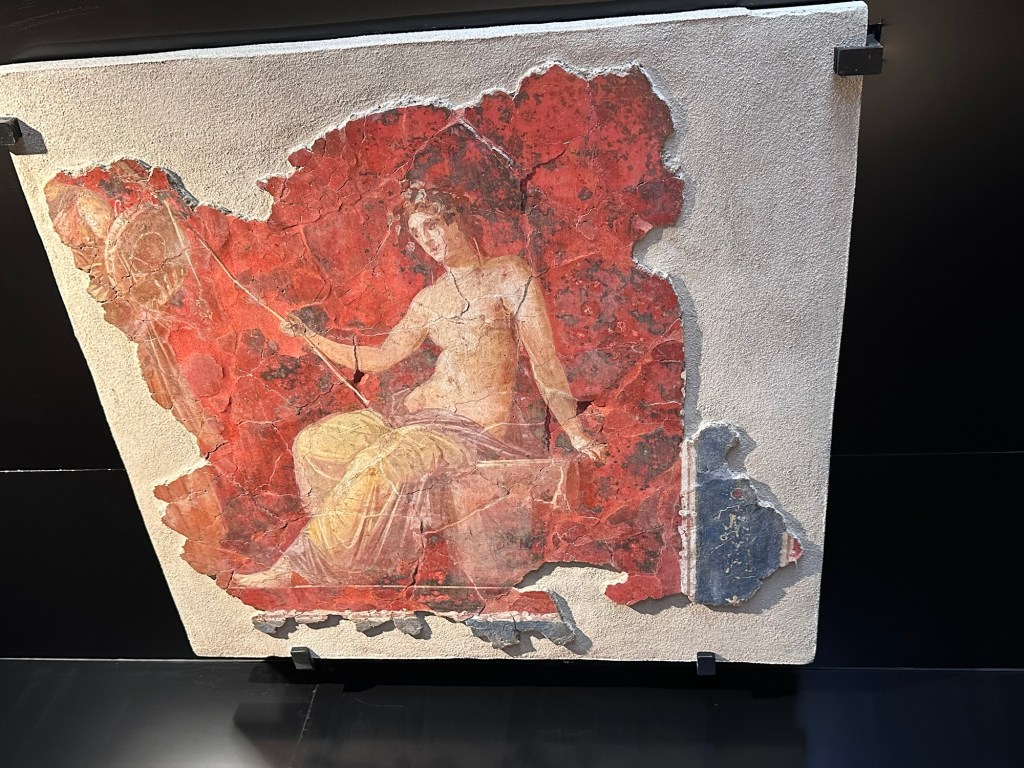
This morning we visited the Baths of Caracalla. Built between 212 – 216AD, the baths are now a well preserved ruin. Caracalla fell into disuse in 537 when the aqueducts that supplied water to the city were destroyed by ‘the barbarians’ (Ostrogoths). They were further damaged by an earthquake in 847.
The huge bath house sits at the center of the site with gardens outside.
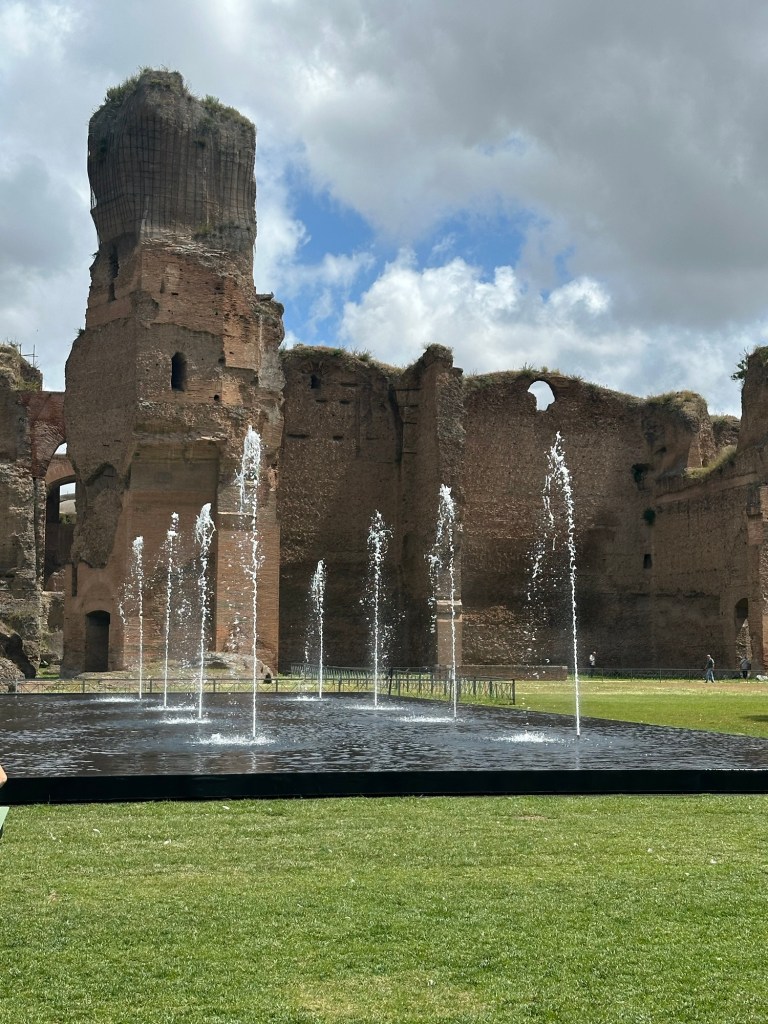

Going to the baths was a popular pastime for Romans, both to maintain hygiene and improve social relations.







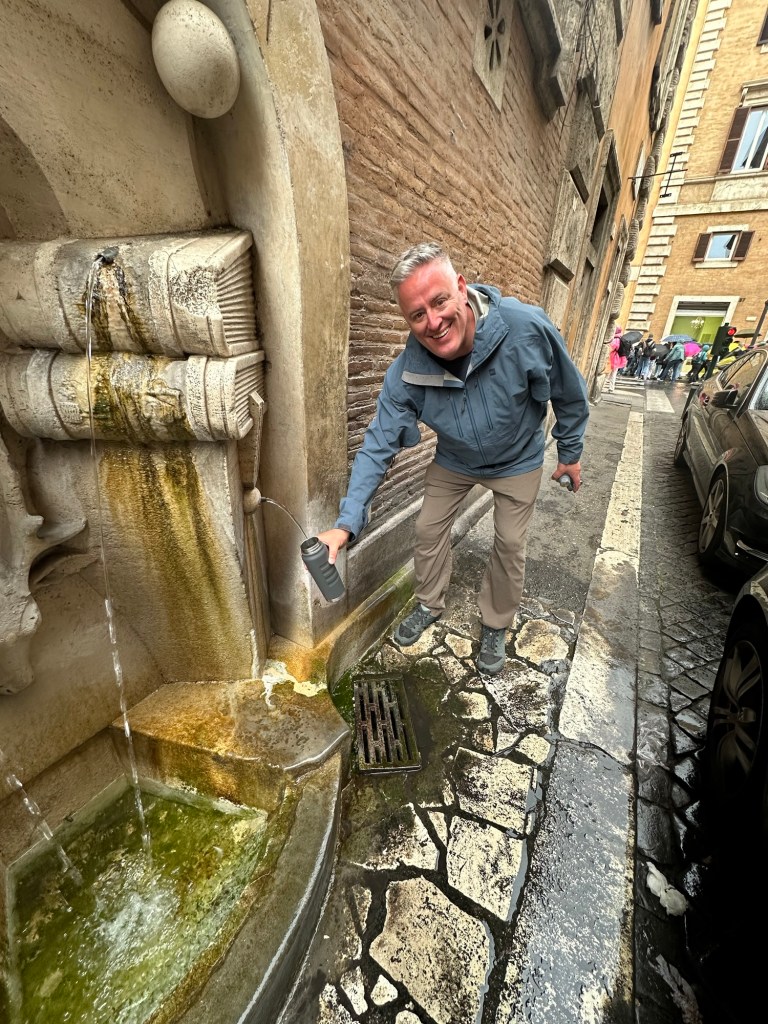
First introduced in 1870, the nasoni are Rome’s famous drinking water fountains, found all over the city.

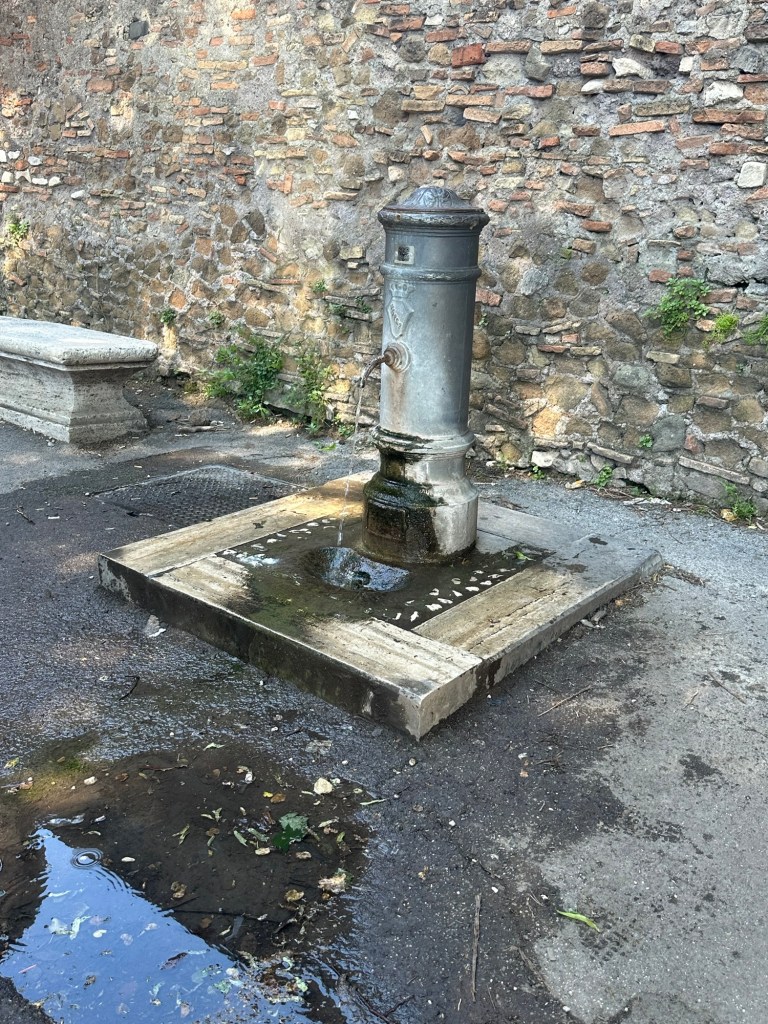
There are no taps; the fountains provide a perpetually flowing source of cold, clean water drawn from Rome’s aqueducts. The word nasone translates to ‘big nose’ for the downward facing spout.

Many are just a cylindrical cast iron column with a protruding spout.
But some are intricately carved with characteristics of their particular rione, or neighborhood.


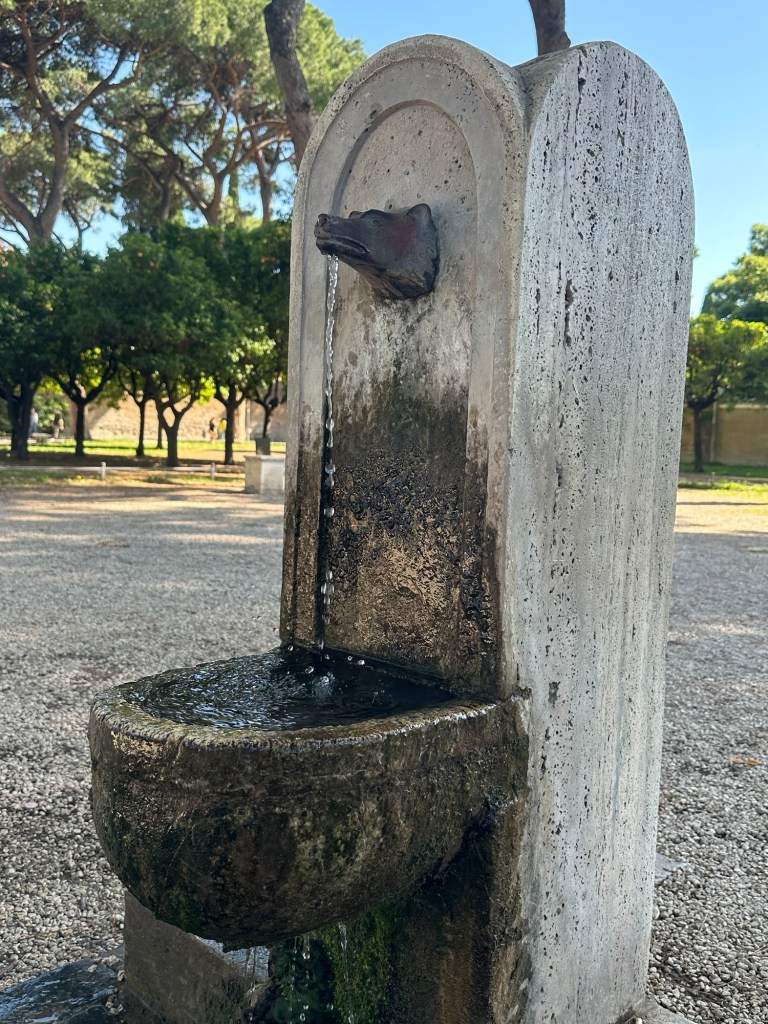
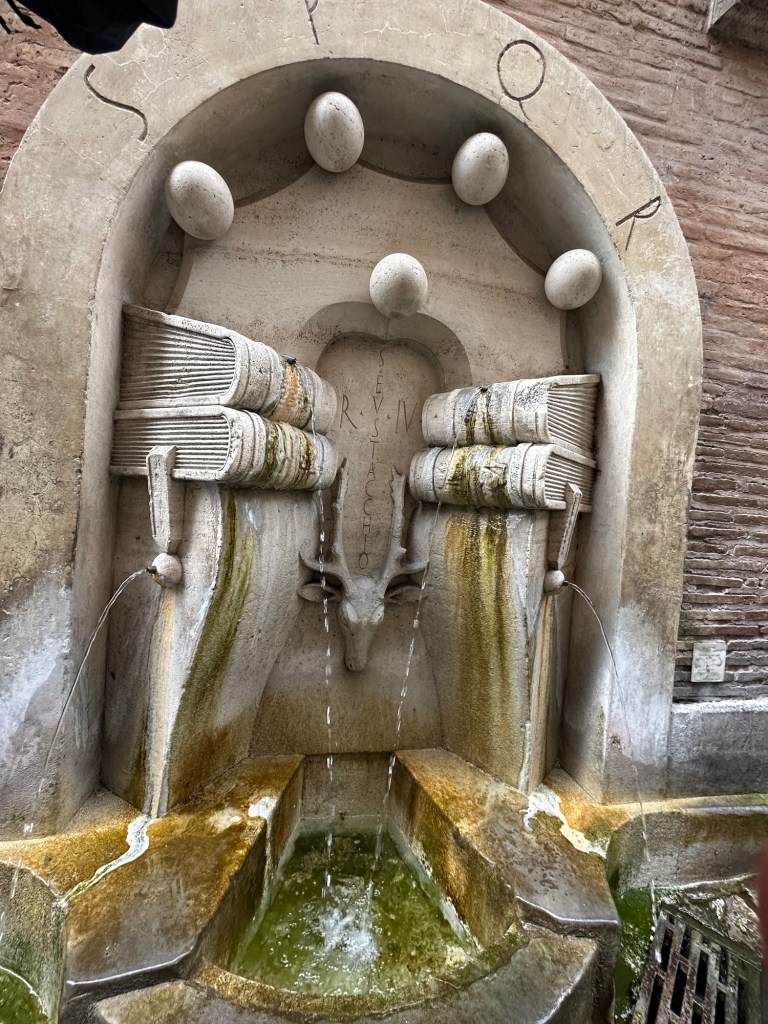
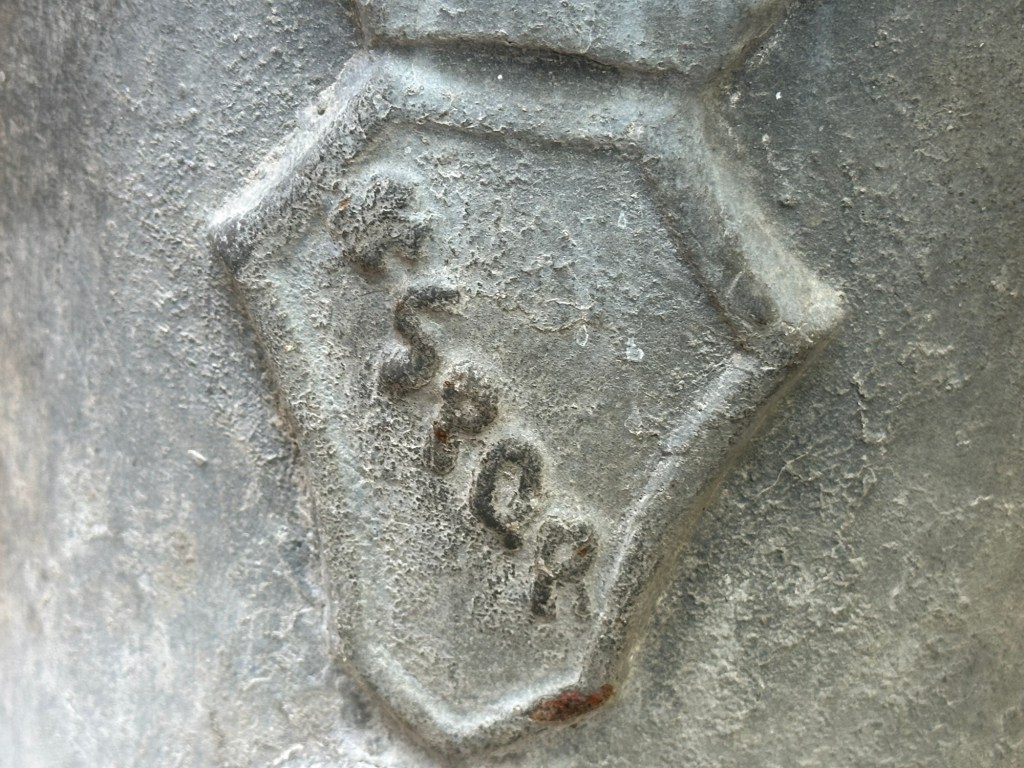
The initials SPQR indicates the nasoni were built by the ancient Roman government (Senatus Populusque Romanus).
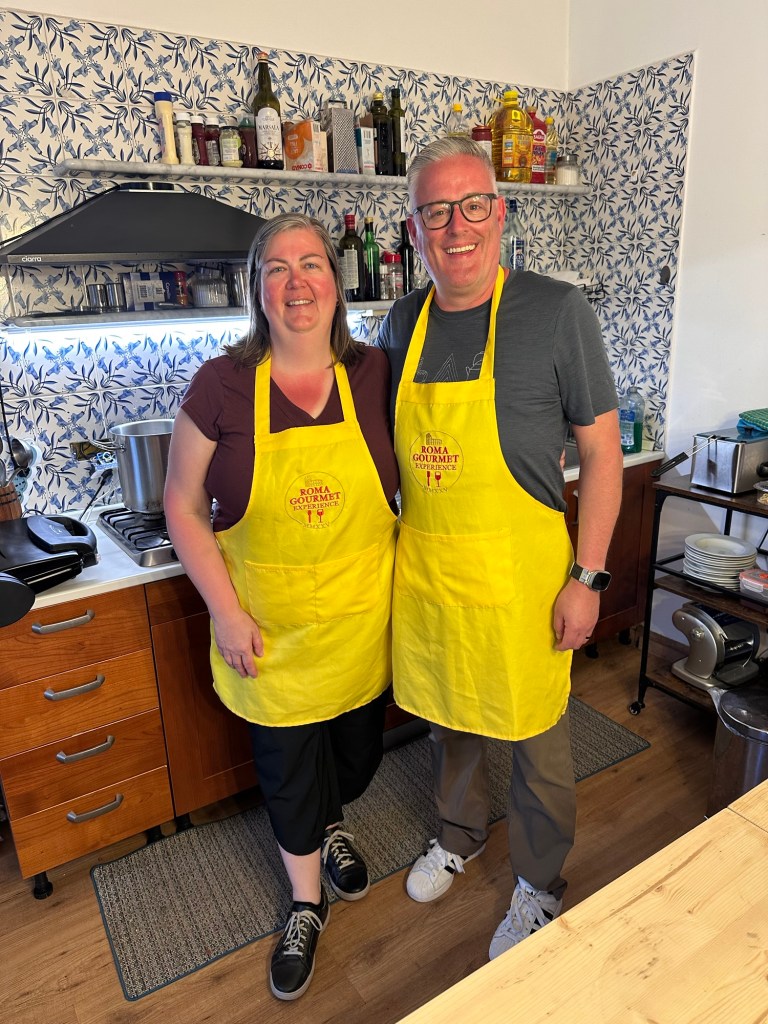
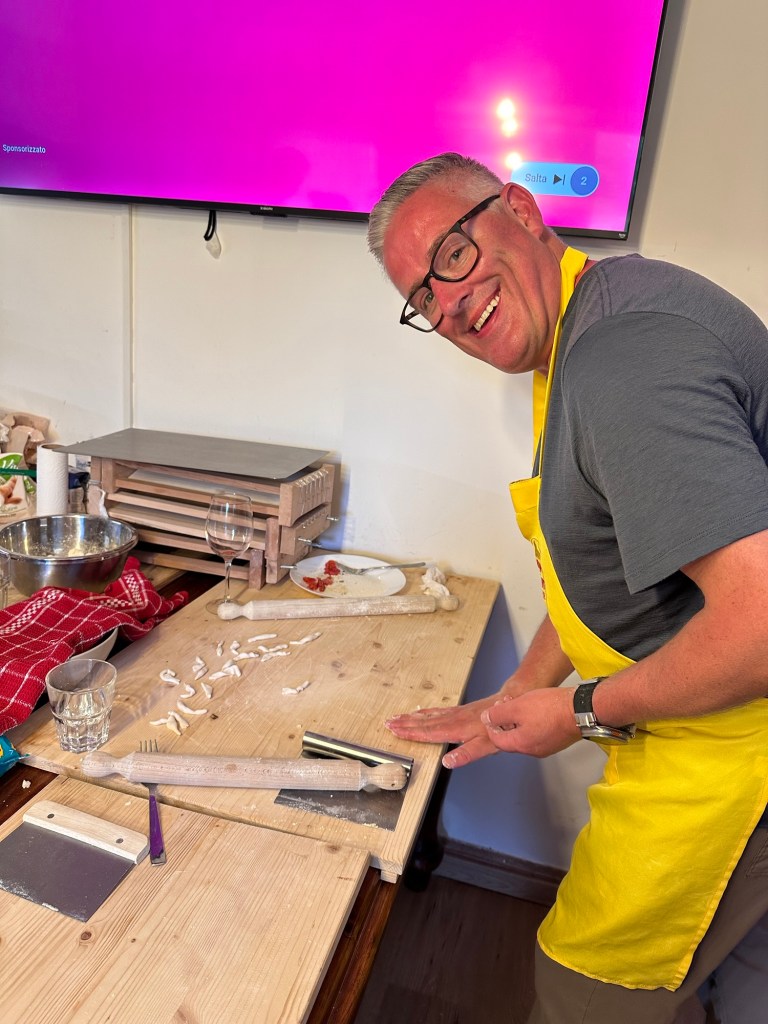
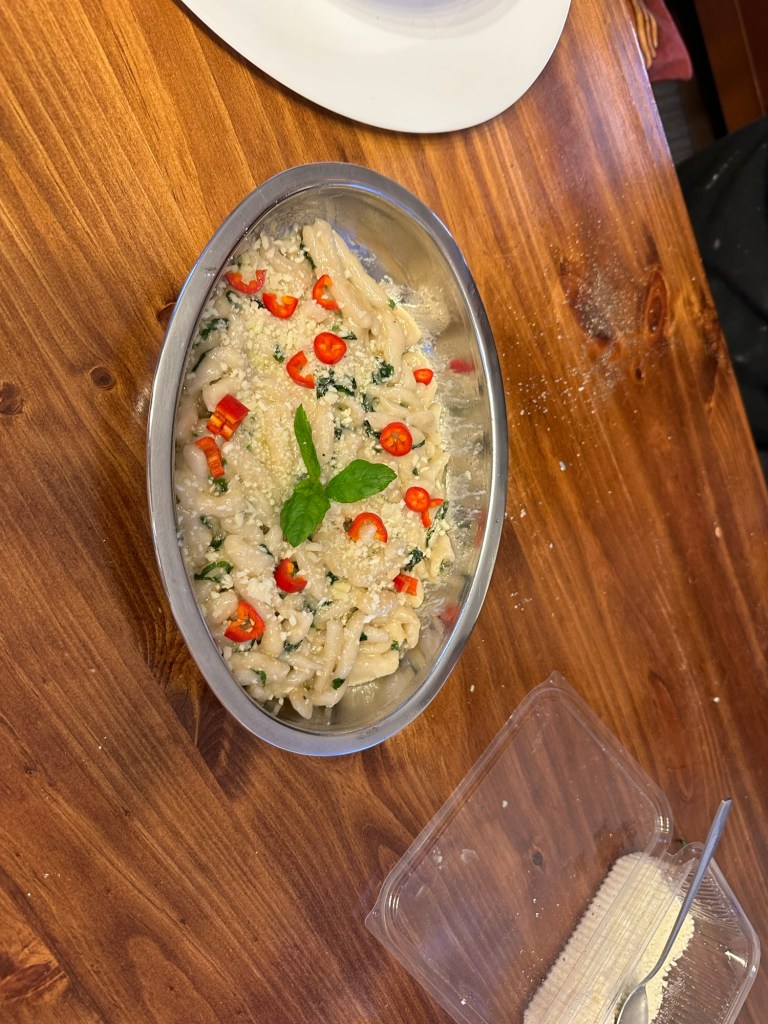
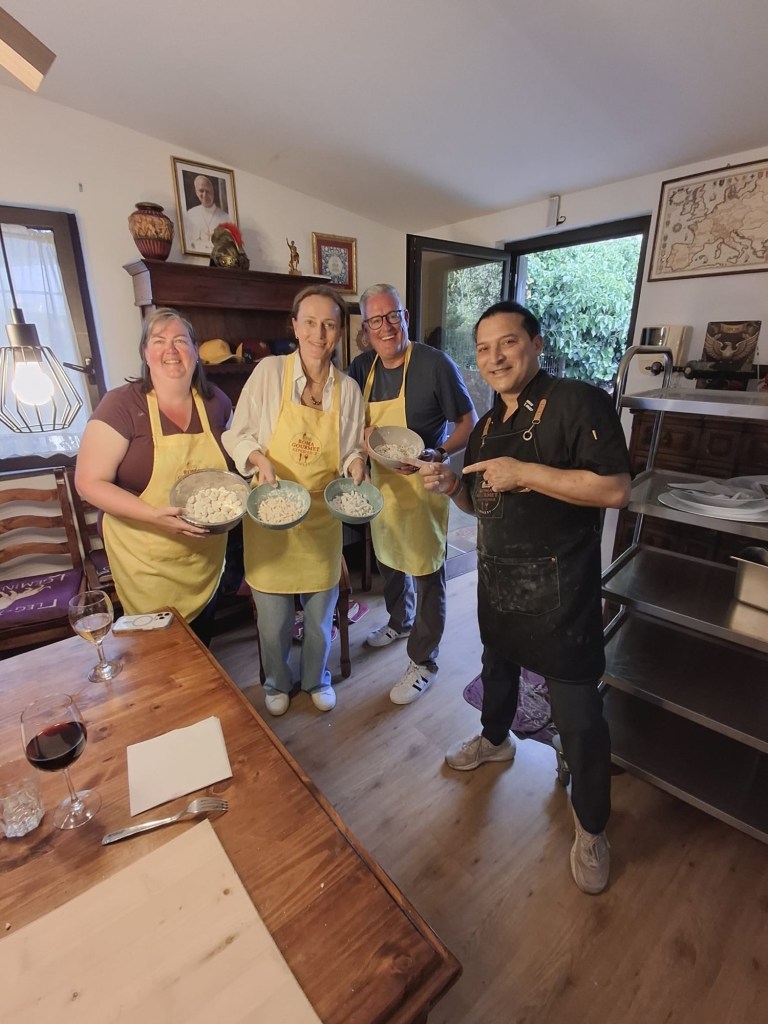
Tonight we took a cooking class in the south of Rome. Chef Christian, who is celiac himself, taught us how to make three different kinds of gluten free pasta.



Our nice weather is threatening to change tomorrow, so we’ll see what parts of the planned itinerary get done…


Leave a Reply