


There are two types of sloths in Costa Rica; 2-toed and 3-toed. They are not just different species, but belong to different families – about as genetically similar as dogs and cats, despite their many common traits.

The Santuario de Perezosos rehabilitates and releases many sloths who are able to fend for themselves in the wild. They have released over 300 to date.
Apparently conservation efforts do not receive any money from the Costa Rican government so they depend entirely on tourism and private donations.
Their 12 resident sloths were orphaned at a young age, badly injured or born blind.
Ignacio toured us around and taught us the differences between the two sloth types.
3-toed brown-throated sloths are more common, with a flatter face, black eye patches and wide ‘smile’.
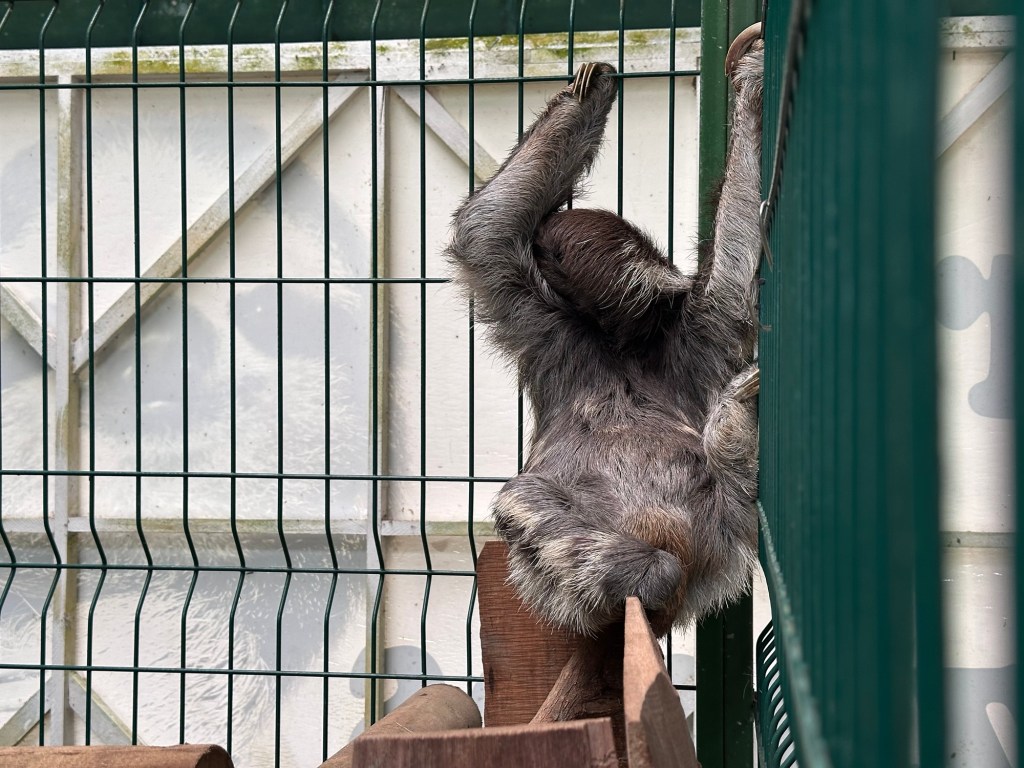
They are generally smaller and more active during the day.
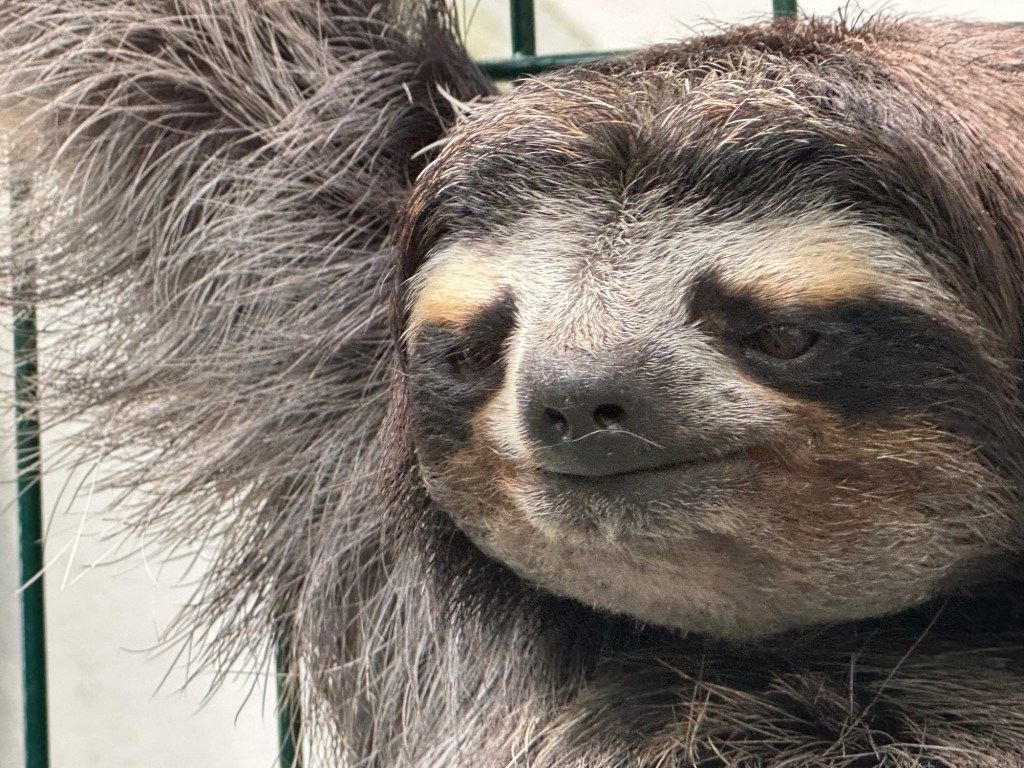
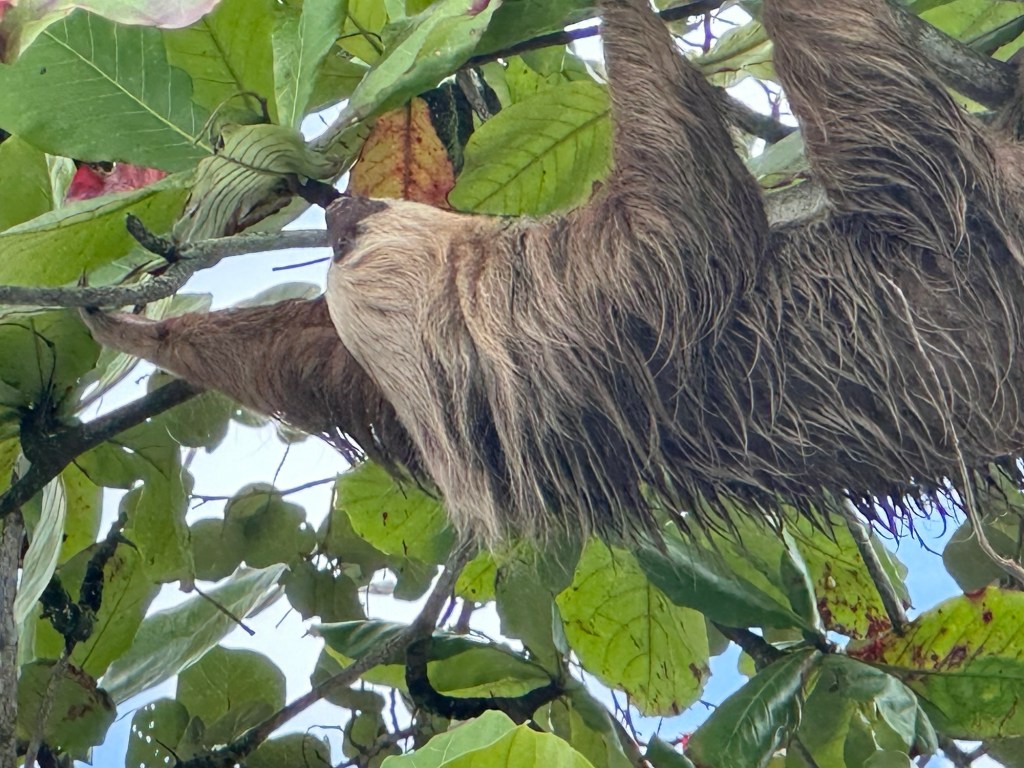
2-toed Hoffman’s sloths have a pronounced brown snout, white face, shaggier fur, and are more nocturnal.

2-toed sloths have both molars and canine teeth, so in addition to leaves and flowers, they will also eat some vegetables and fruit.

Sloths in the wild only occupy between 10-15 trees for their whole lives, so the residents at the sanctuary are quite happy with their limited space.
Armed with our new sloth knowledge, we were able to find several in the wild during our stay in Puerto Viejo.
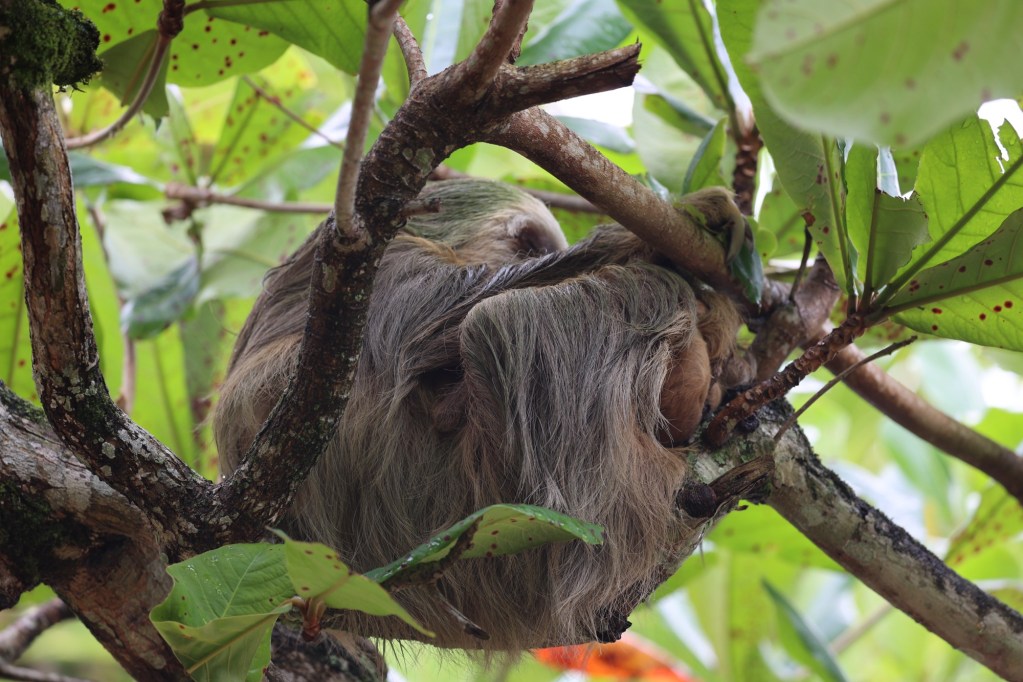


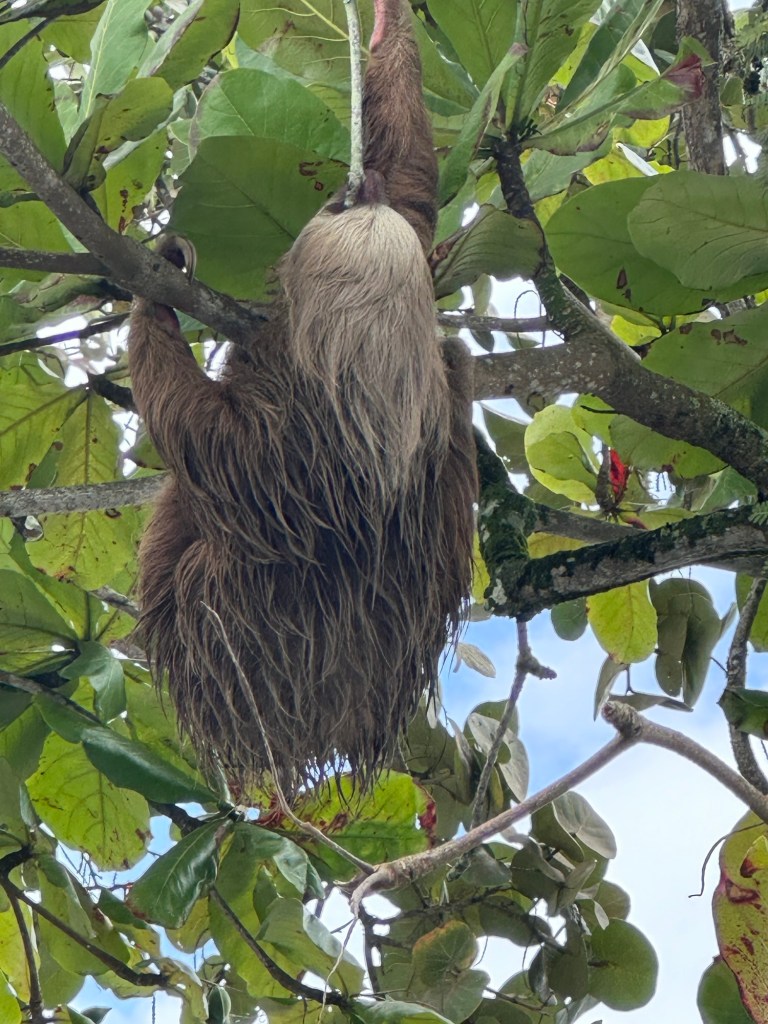
This big guy actually moved quite quickly through the trees – we think he either came out of his tree to poop, or maybe fell out of the tree when a branch broke. Either way he was in a hurry to get back to the top of the tree.

We plan to hike through Cahuita National Park tomorrow, but it is kind of dependent on the weather: 85% chance of rain…


Leave a Reply