

Cobh was known as Queenstown from 1849 to 1920, named for Queen Victoria who visited in 1849. The name was changed to Cobh during the Irish War of Independence. Cobh is a Gaelicization of the English word cove (and is pronounced the same).

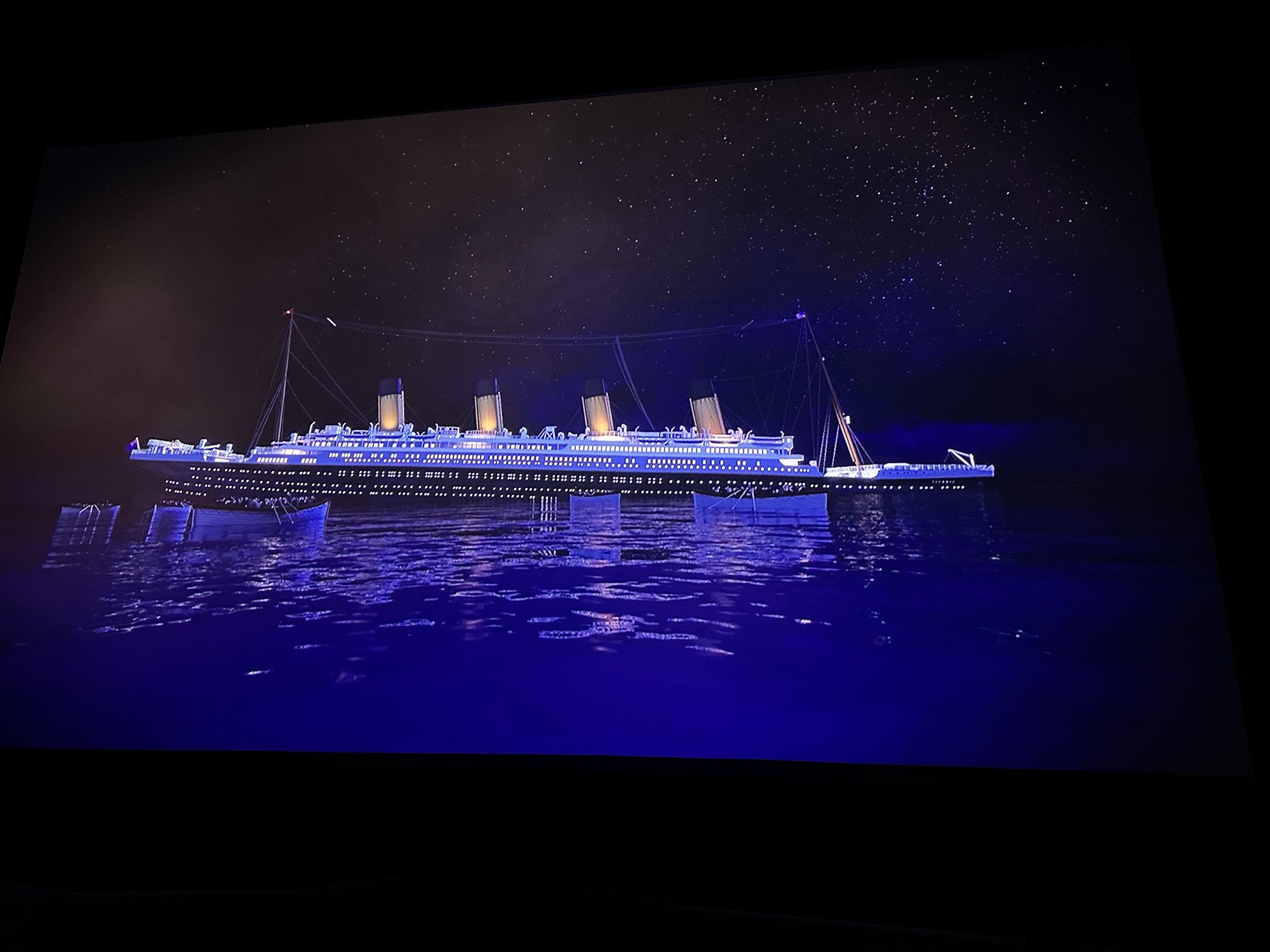
Cobh was one of the major transatlantic Irish ports; 2.5 million of the 6 million Irish who emigrated to North America between 1848-1950 sailed out of this harbour. It was the Titanic’s last port of call in 1912 before crossing the Atlantic (originating in Southampton, England and making a stop in Cherbourg, France).
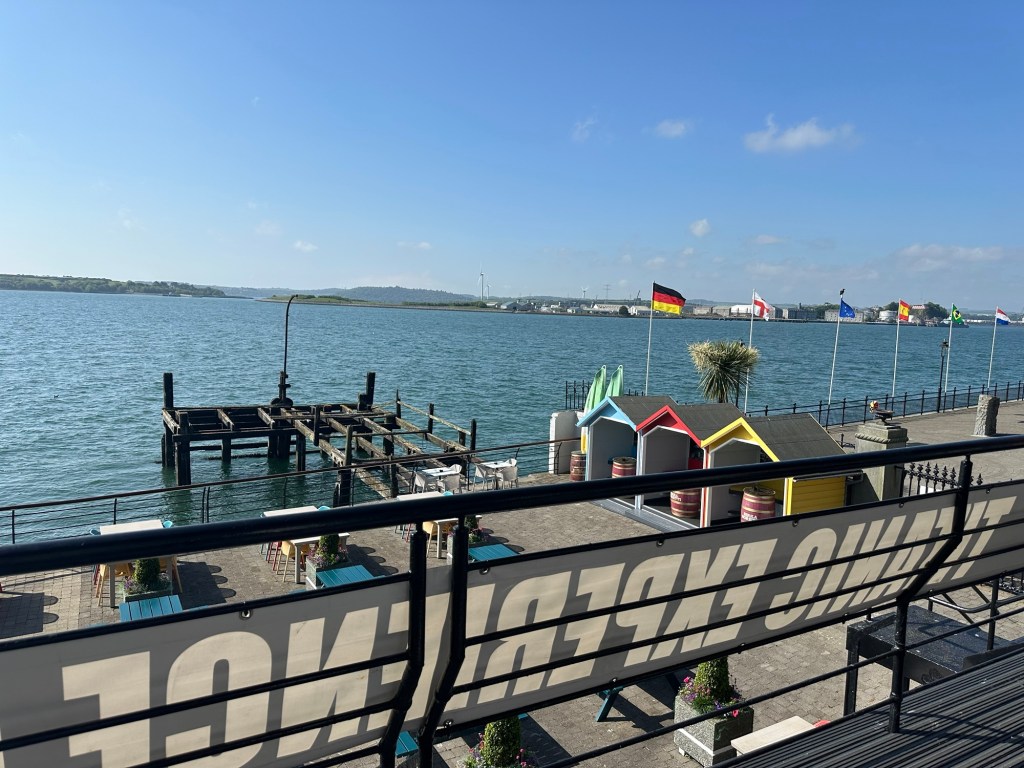
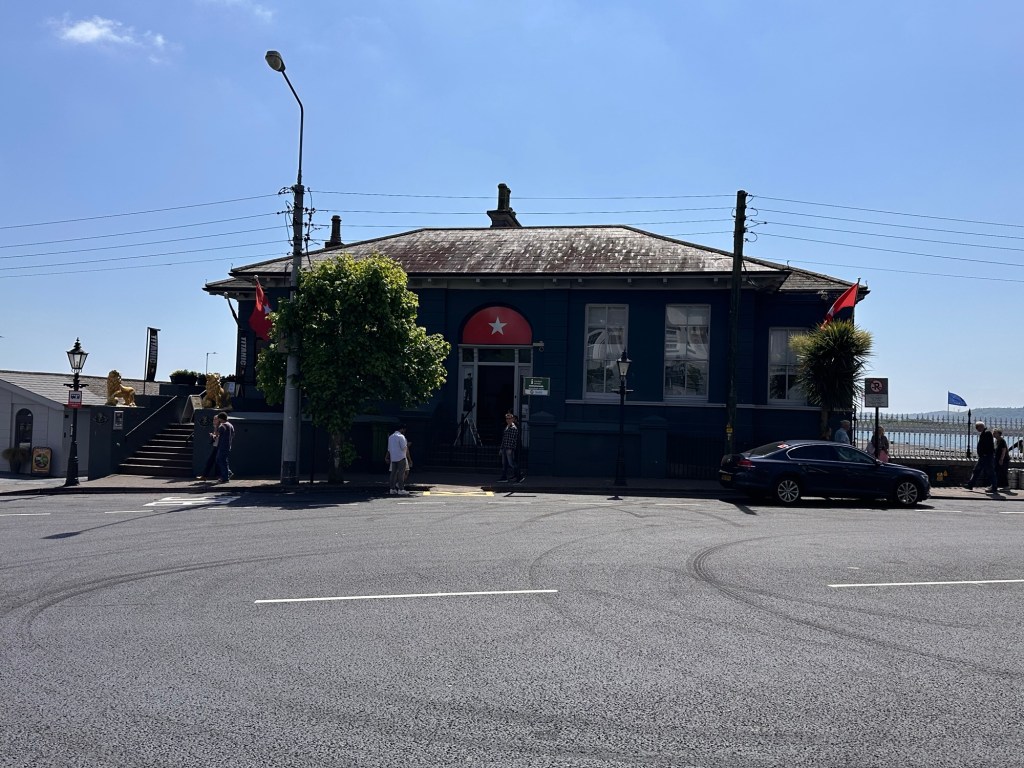
We visited the museum in the historic White Star Line building where the Titanic’s last passengers departed.


At the museum, we both received a boarding card with details of one of the 123 passengers who came through the ticket office on April 11, 1912. The majority of these passengers were in third class steerage.
Kris was 28-year old Margaret Mannion, who was travelling with her fiancée and three friends. Dave was David Charters, a 20-year old labourer.
At the end of the tour we checked the passenger information screens to discover the fate of our passengers. Margaret (and her female friend) survived, but her fiancé was lost. Alas, David also perished in the tragedy.

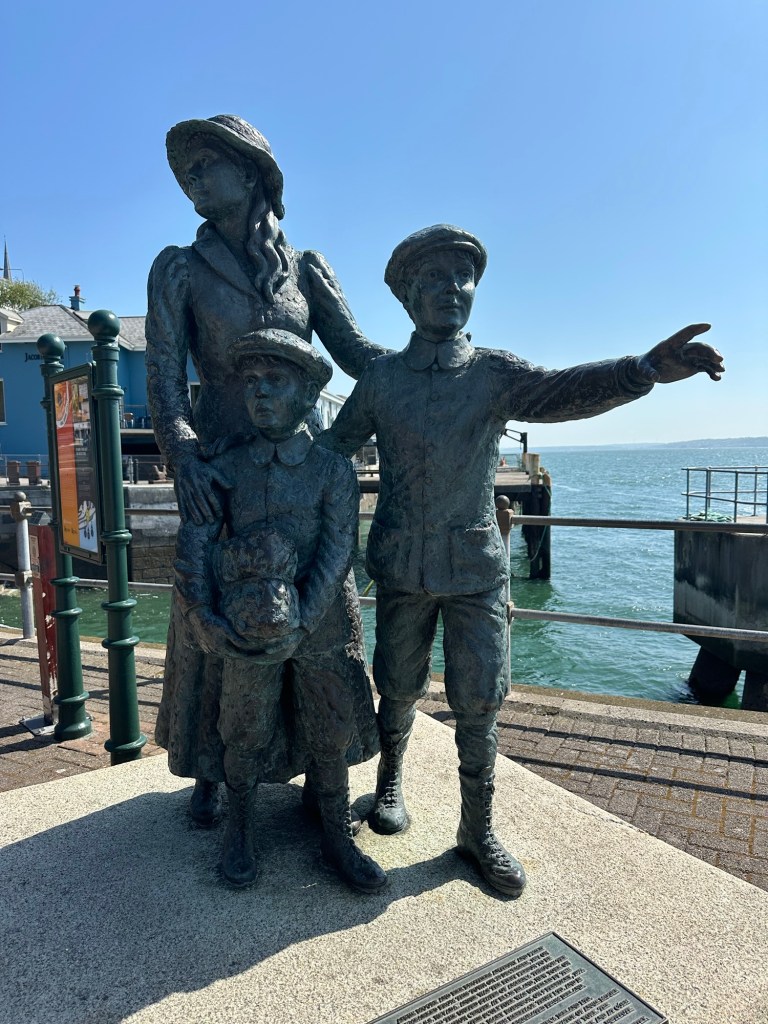
17-year old Annie Moore was the first emigrant ever to be processed at Ellis Island New York on January 1, 1892. A similar statue of Annie stands on Ellis Island – we likely saw her when we were in New York!
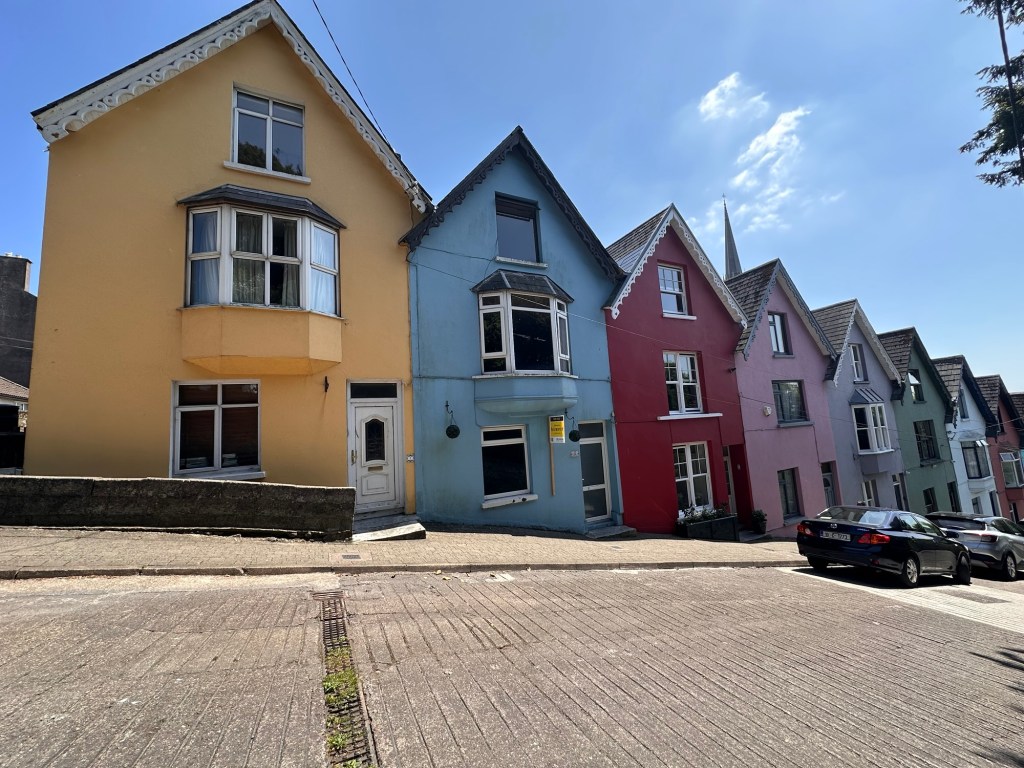
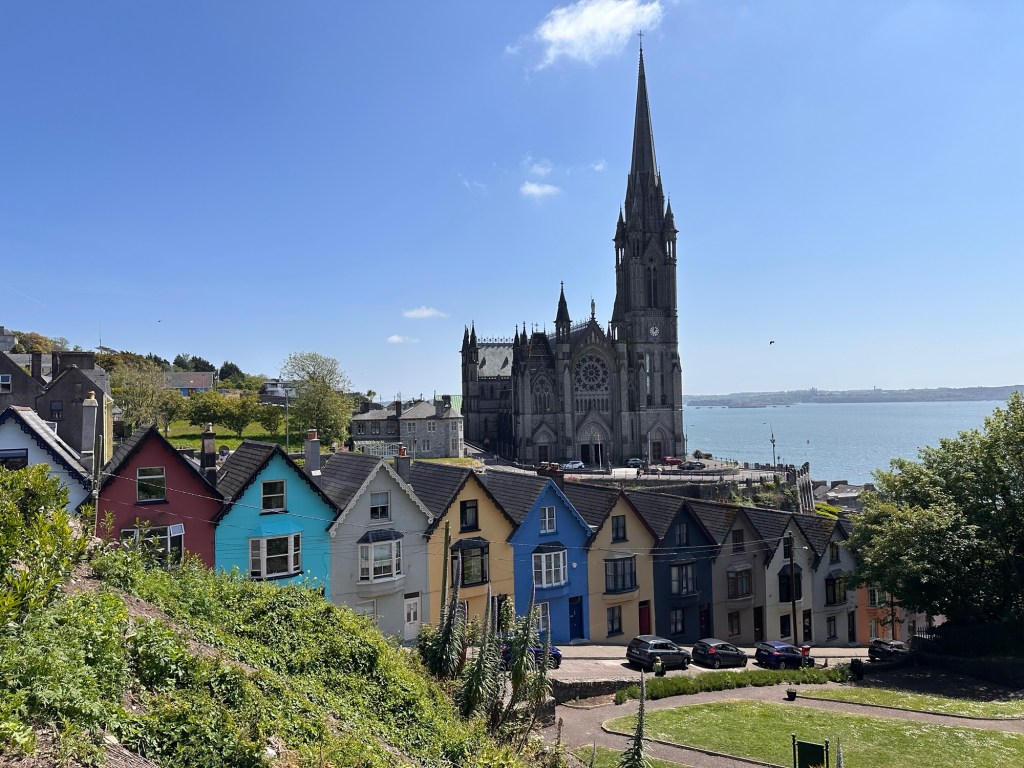
The ‘Deck of Cards’ in Cobh is a series of 20+ rainbow painted houses climbing up the hill from the harbour.
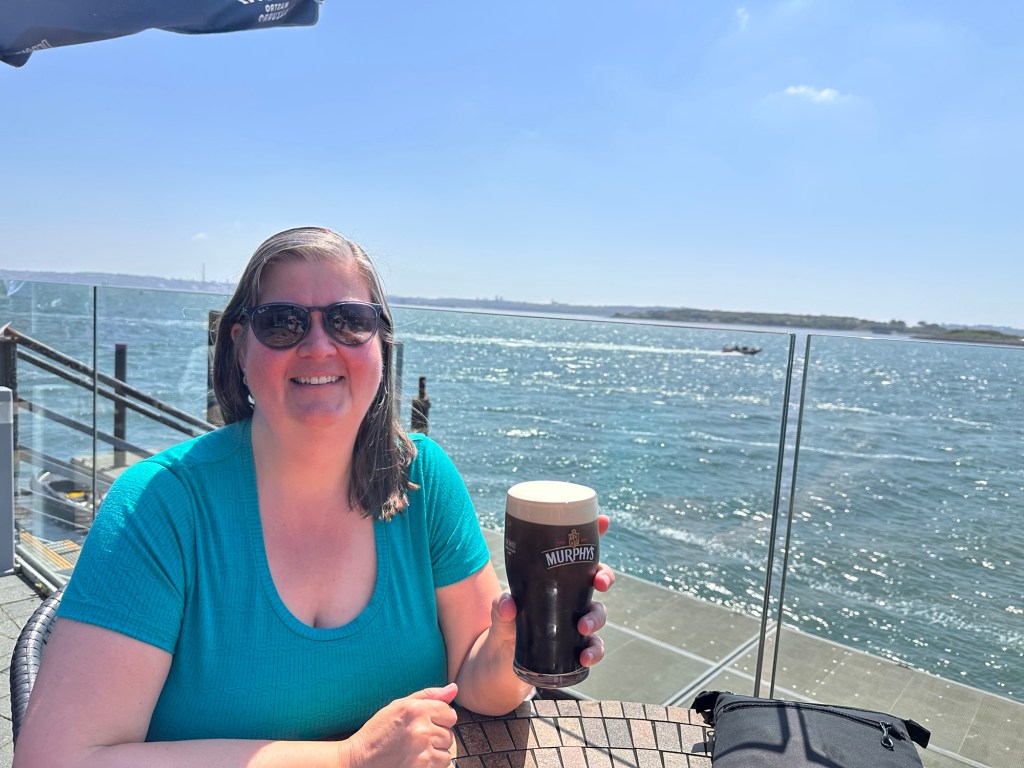

After lunch on the harbour in Cobh we visited the ruin of Blarney Castle.
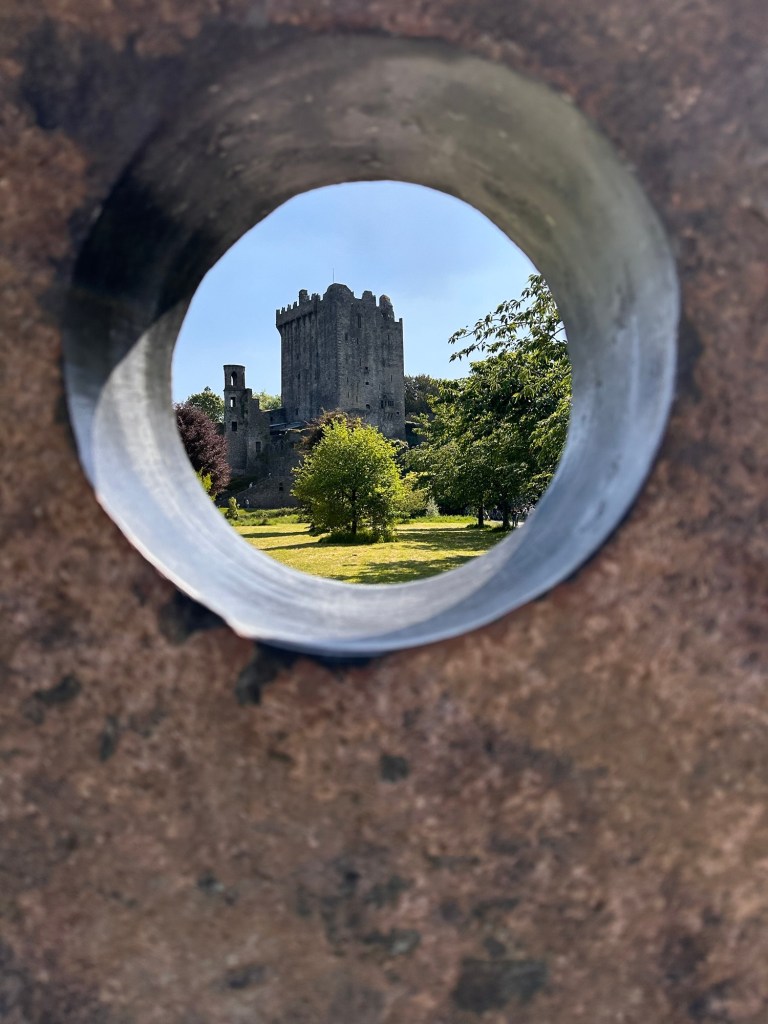
We’re always so amazed at how old buildings in Europe are! The castle keep dates from 1446. The rectangular great tower was erected in two stages. In the early 15th C, it was only 4 floors, then it was added to about 40 years later to give it an odd “L” shape. The top of the “new” tower is machicolated – has square cutouts that make it look fancy!

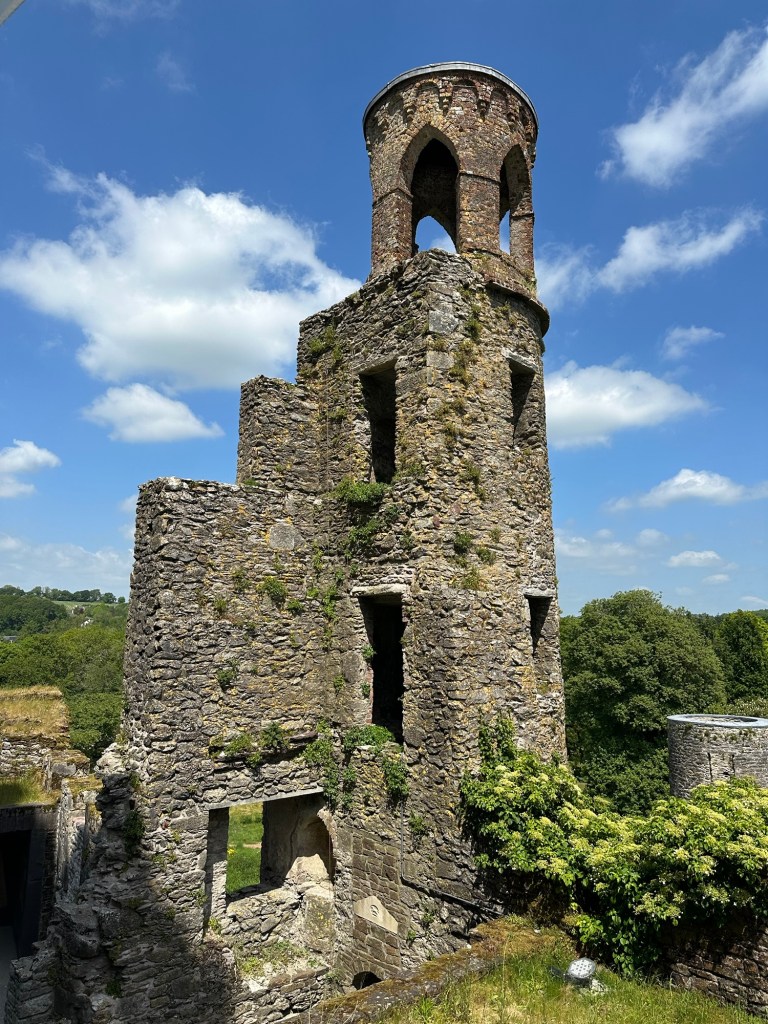
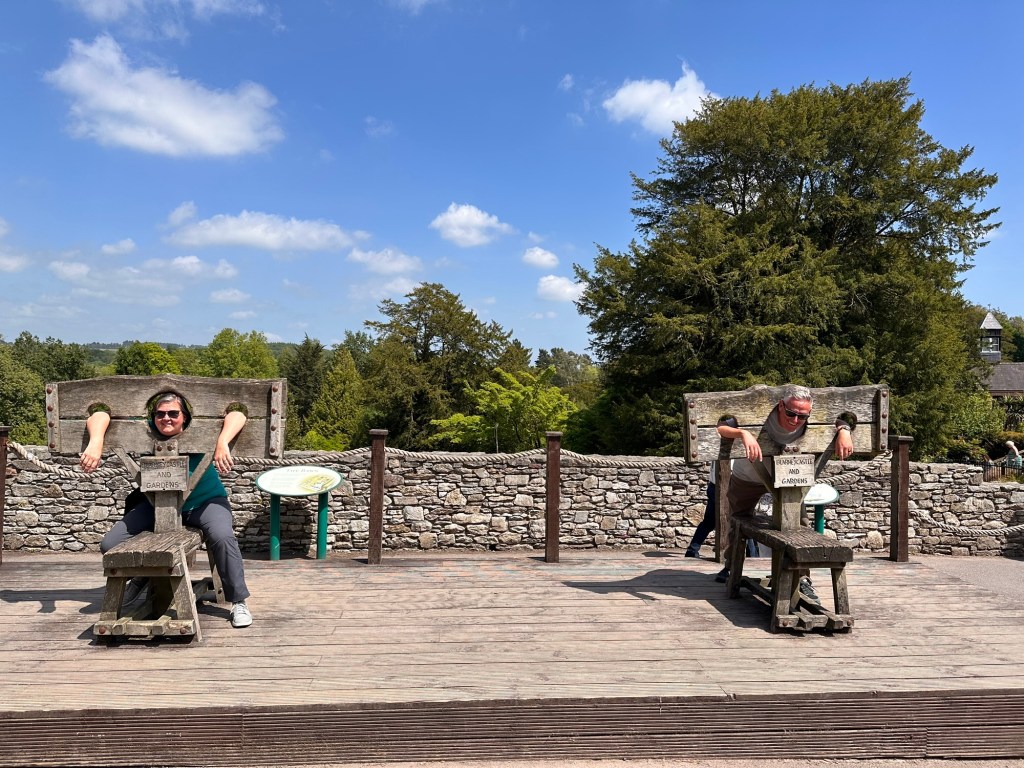
The Blarney Stone, a block of carboniferous limestone built into the battlements of the castle, is believed to have come from Scotland in 1314 and might date back as far as the crusades. The stone was set into a tower of the castle in 1446.
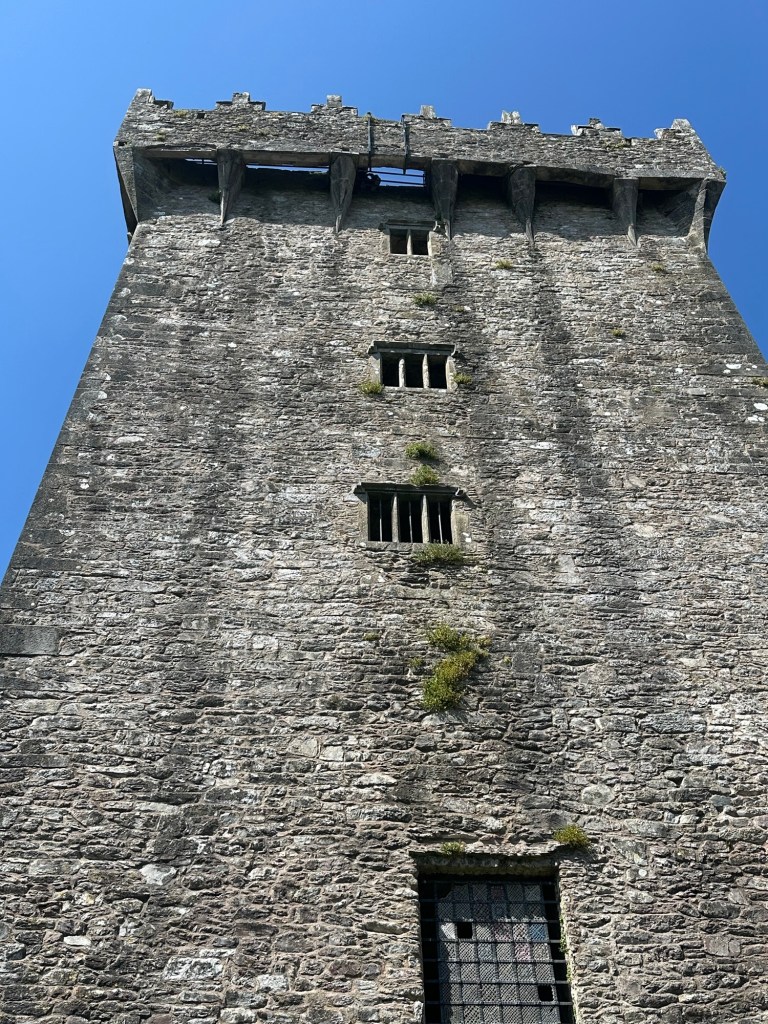
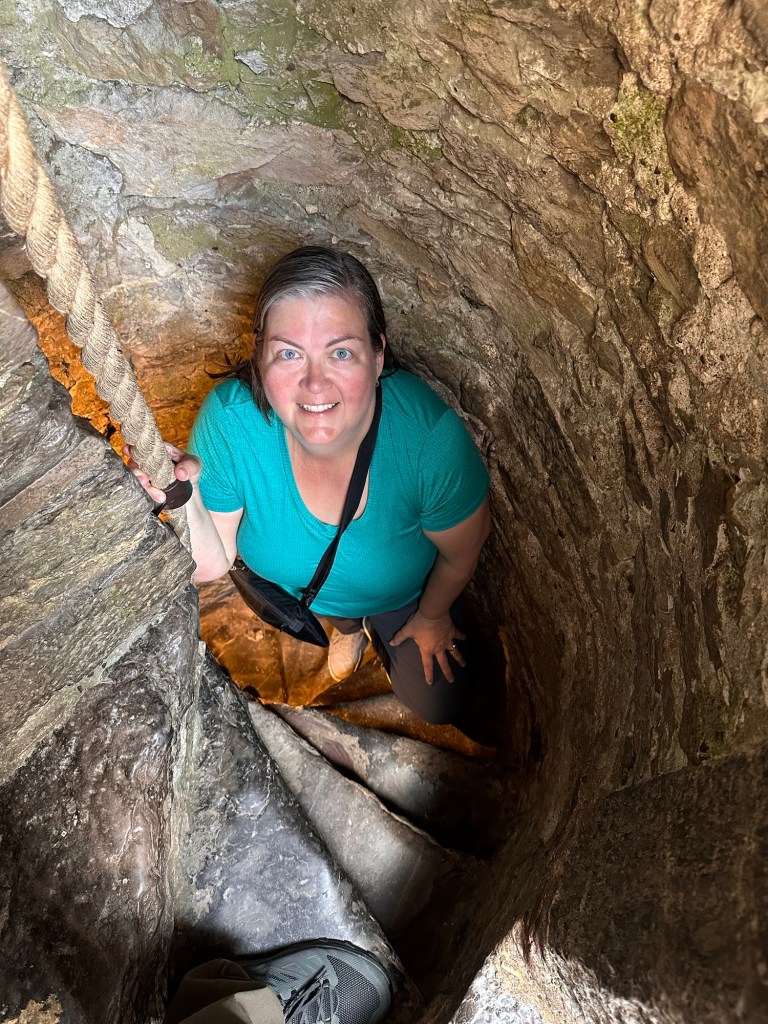
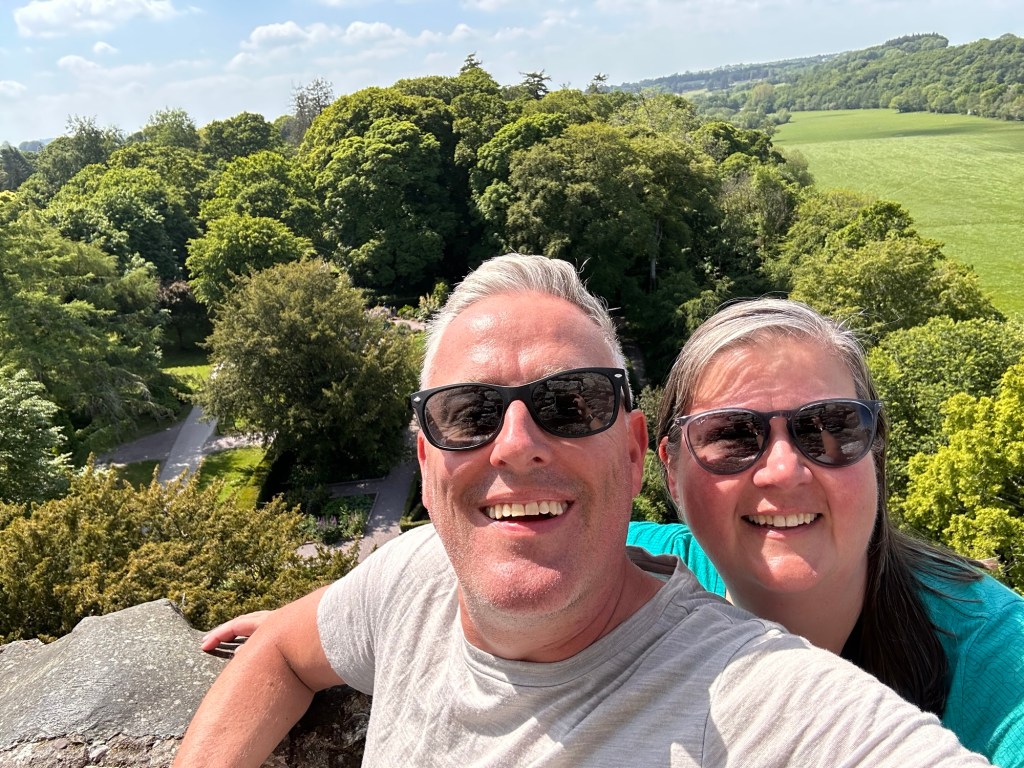
In order to kiss the Blarney Stone, one must climb 127 twisting steps up to the top of the tower.
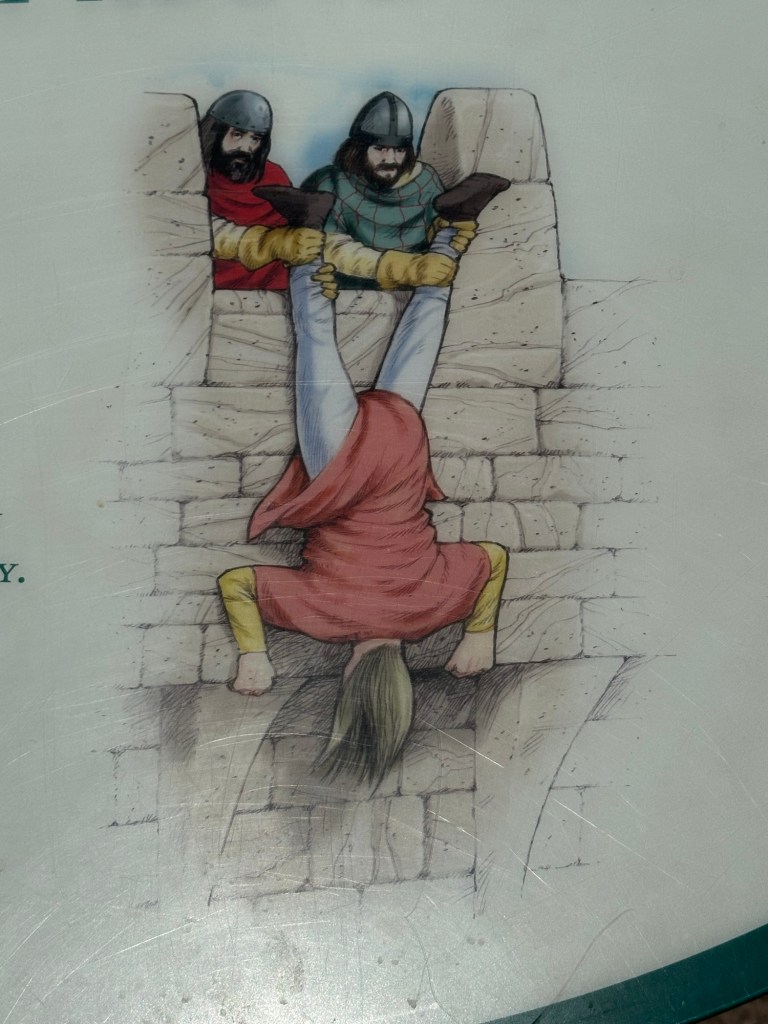
Then lie on your back over a 120 foot drop in order to kiss the stone.

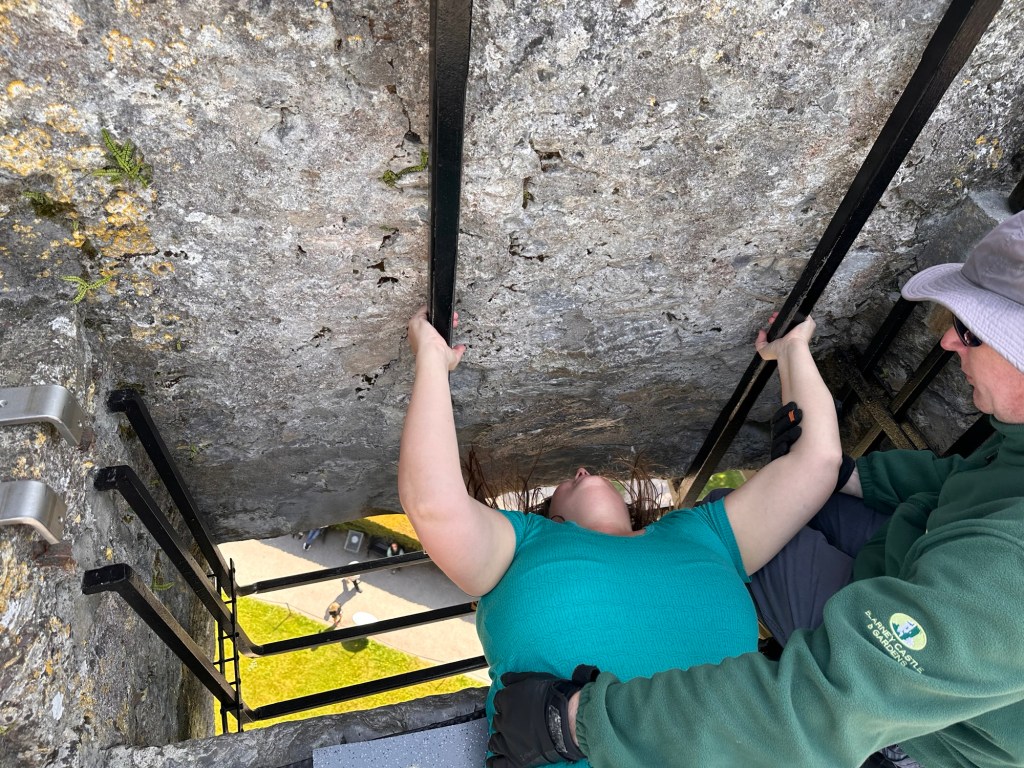
Kissing the Blarney Stone endows the kisser with great eloquence or skill at flattery (or ‘the gift of the gab’). Blarney means ‘clever’, ‘flattering’ or ‘coaxing’ talk. It is flattery sweetened by humour and flavoured by wit per the Irish politician John O’Connor Power.
The Blarney Castle House is a Scottish Baronial mansion built in 1874. The Colthurst family still lives here.


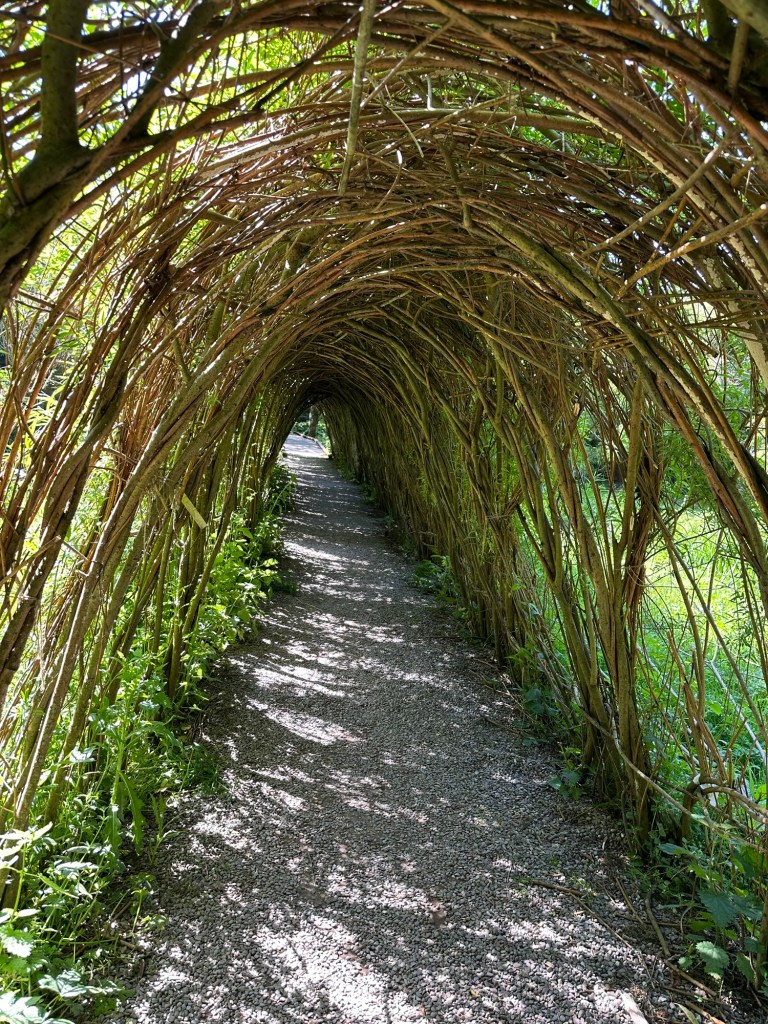
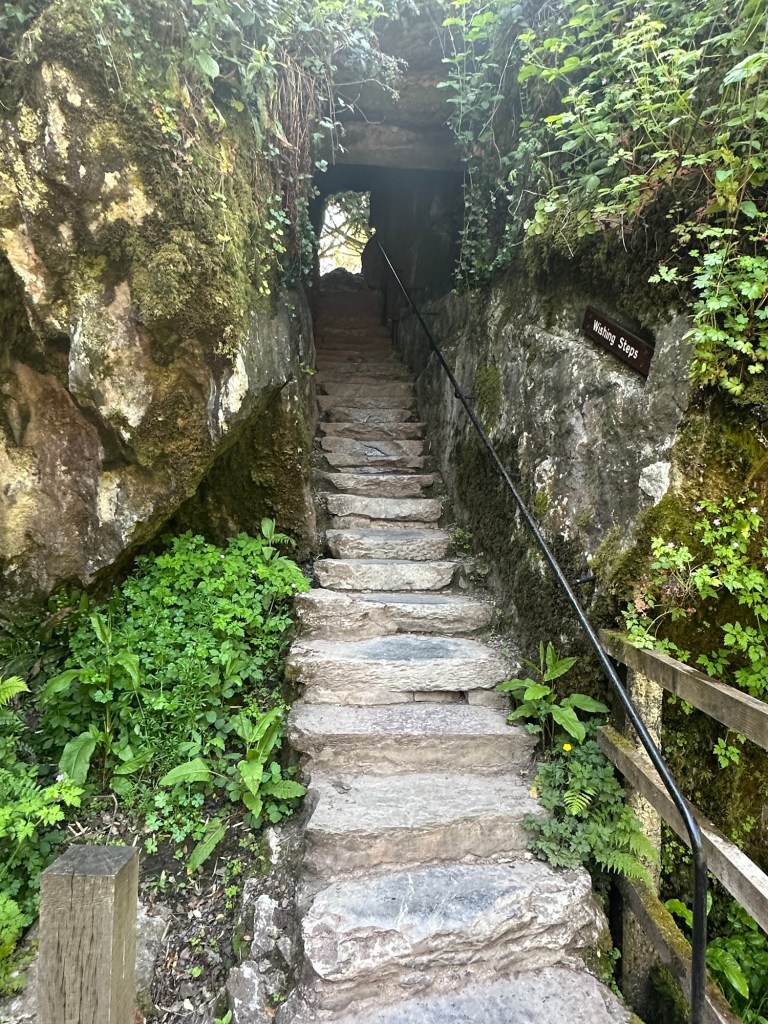
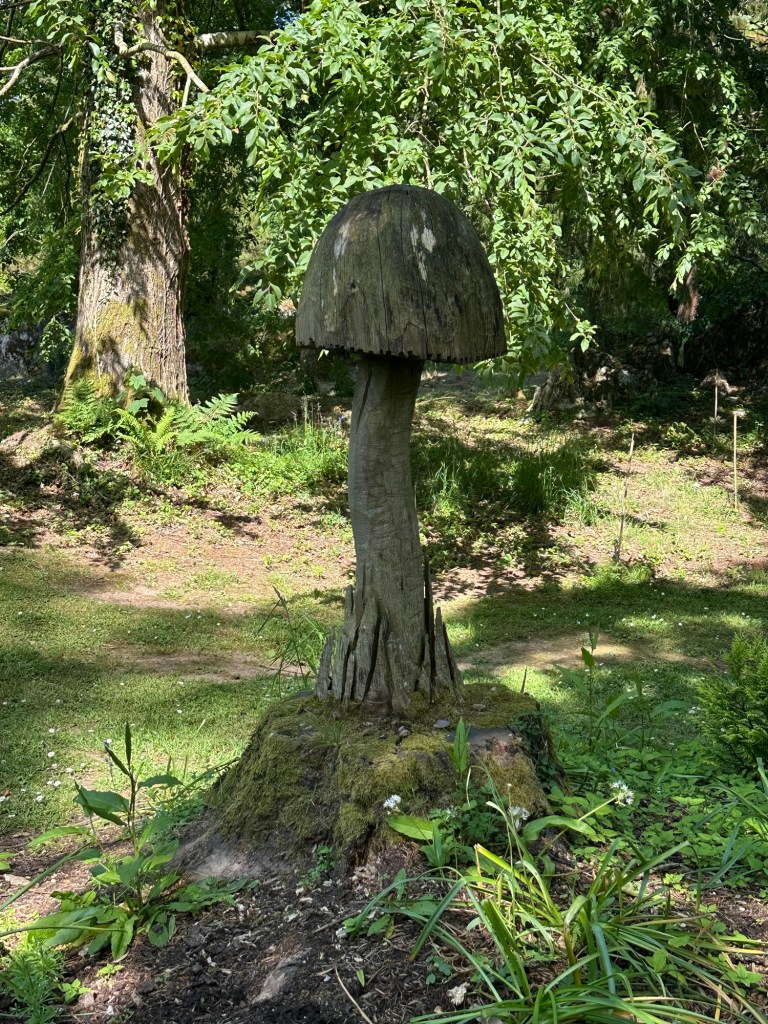
Blarney Castle is surrounded by gardens (including a garden of poisonous plants), a lake and woodland. The Rock Close is the oldest part of the gardens, said to be the site of an ancient druidic settlement. Visitors are cautioned not to approach the druid’s altar as night falls. We did visit this part later in the afternoon on the way back to the car, but no harm befell us!

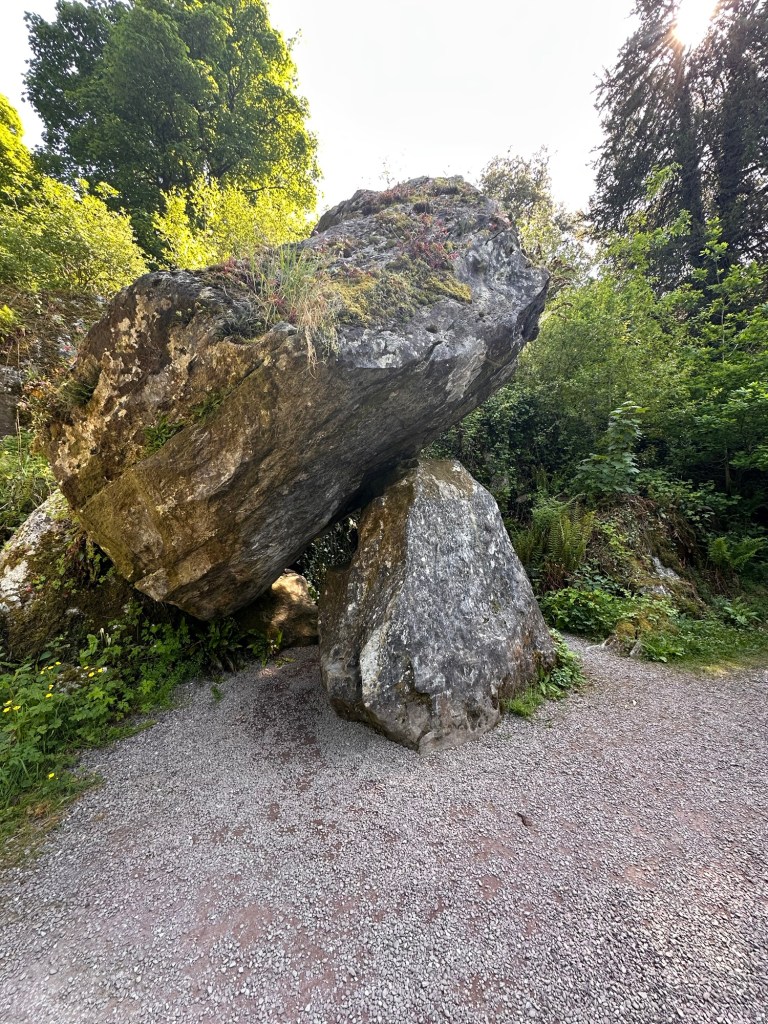
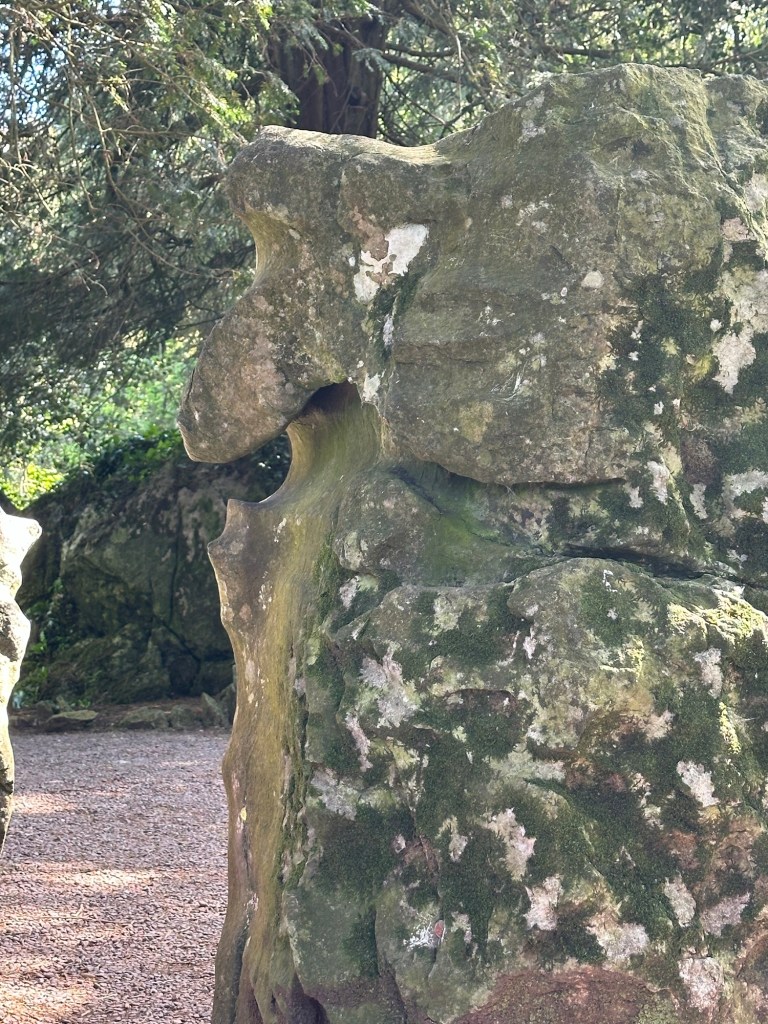
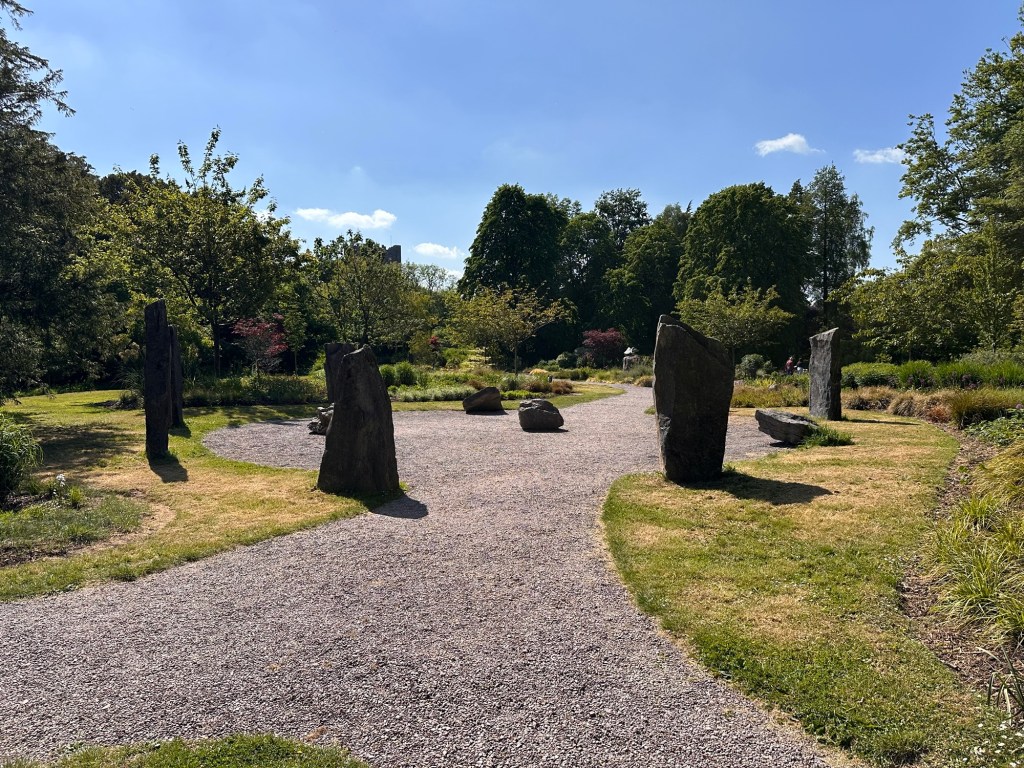
the father of two sons and 7 daughters had just lost his sons in battle when the family came across this standing stone circle on their way home. The father ordered two of the 9 stones to be pushed over to represent his fallen boys.
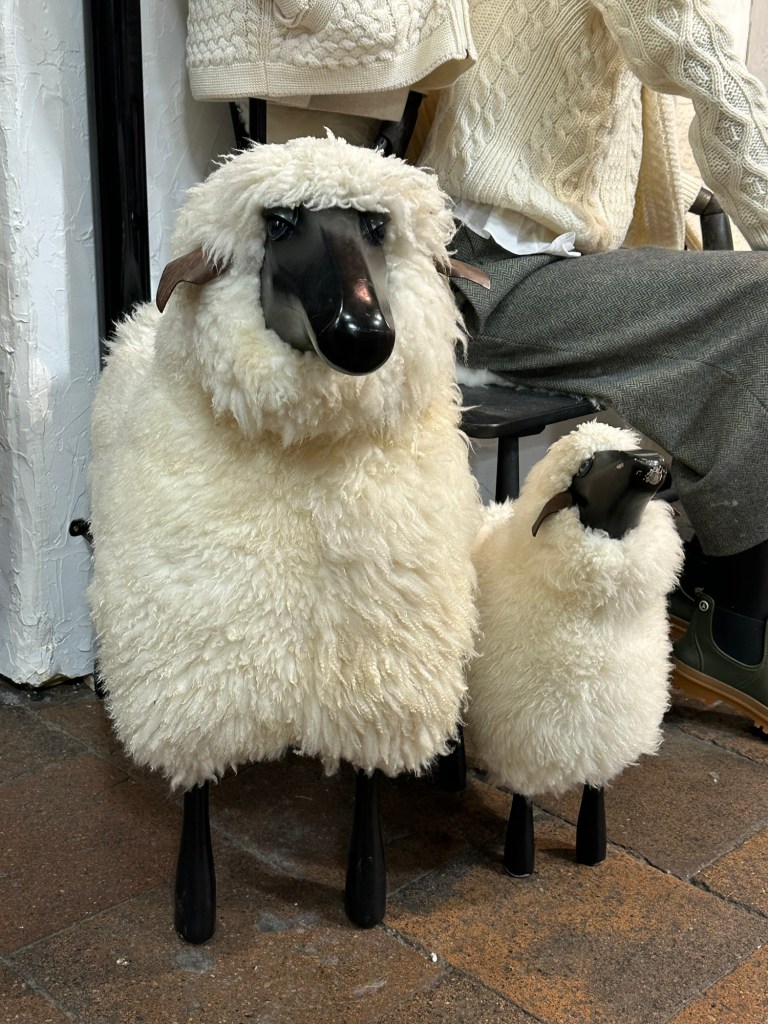
At the end of our day, we visited the largest Irish shop in the world.
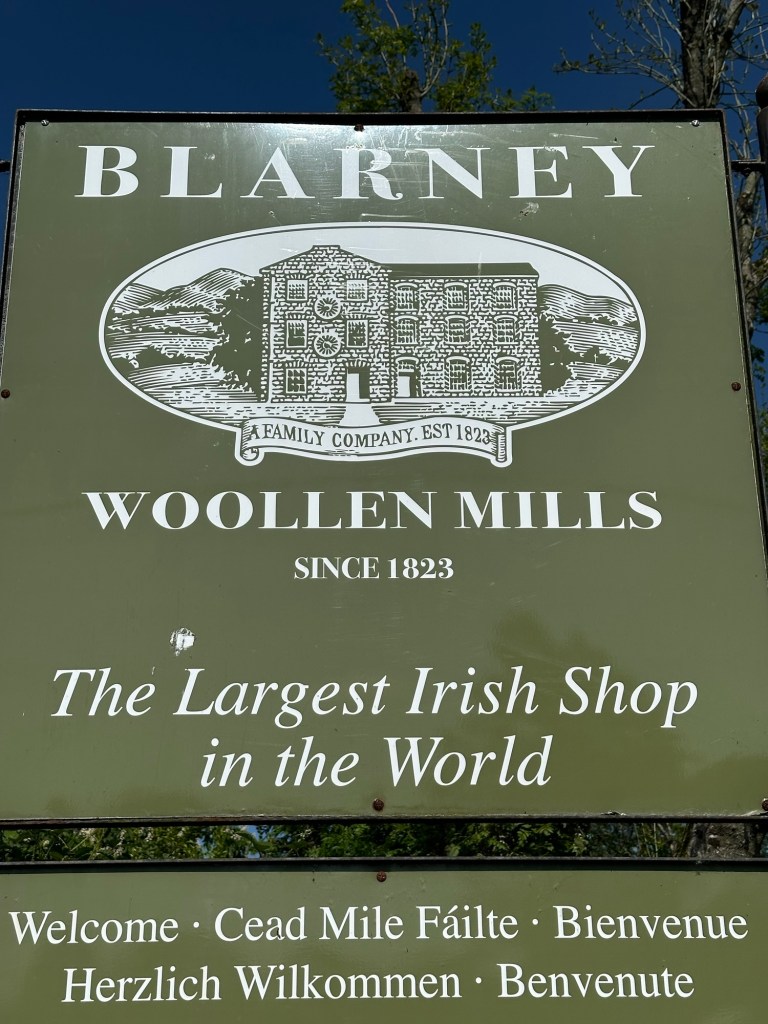
The Blarney Woolen Mill was established in 1823 and continued to operate as a wool weaving and spinning facility until its closure in 1970. The mill was purchased in 1975 and has become the largest Irish shop in the world.
Tomorrow we head to the Beara Peninsula in the southwest.


Leave a Reply