


The whole of the Cotswolds has been designated an AONB, an area of outstanding natural beauty.
But we giggle at the competition. Castle Combe is often called ‘the prettiest village in England’. William Morris called Bibury ‘the most beautiful village in England’ and Lower Slaughter is famous for being ‘one of the most beautiful towns to visit in the Cotswolds’. Maybe by the end of our trip we will reveal our favourite village!
Bibury is the smallest town in the Cotswolds. It is technically made up of two hamlets (Bibury and Arlington) split by the River Coln. The town was called Becheberie when it was mentioned in the Domesday Book in 1086.
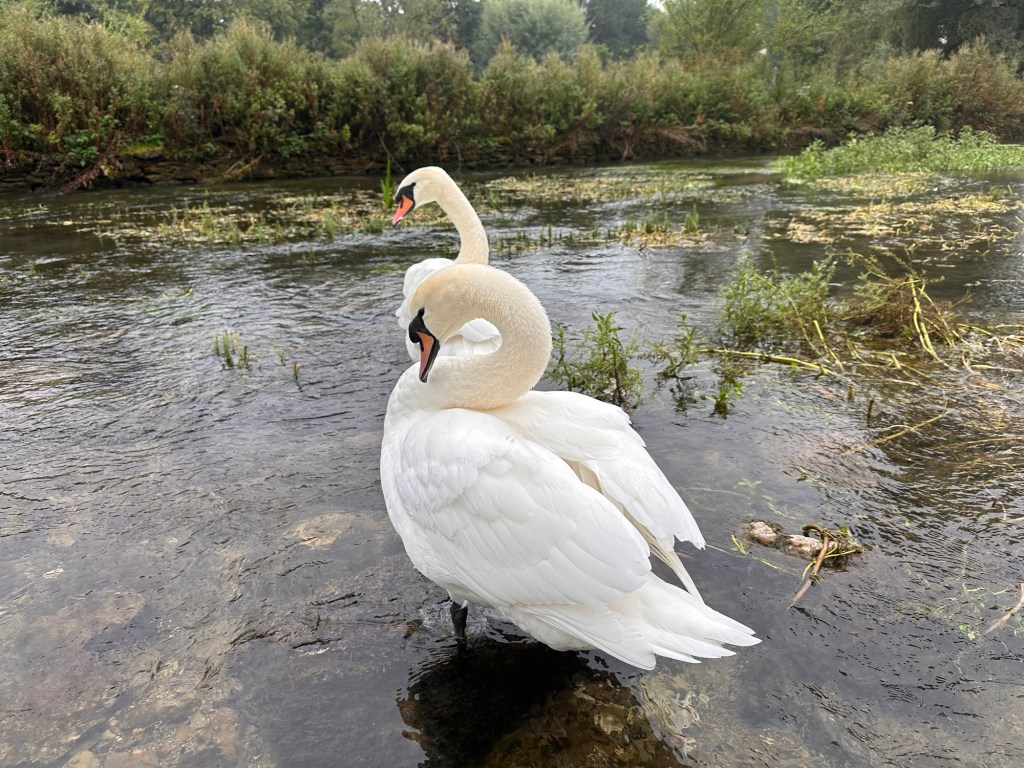

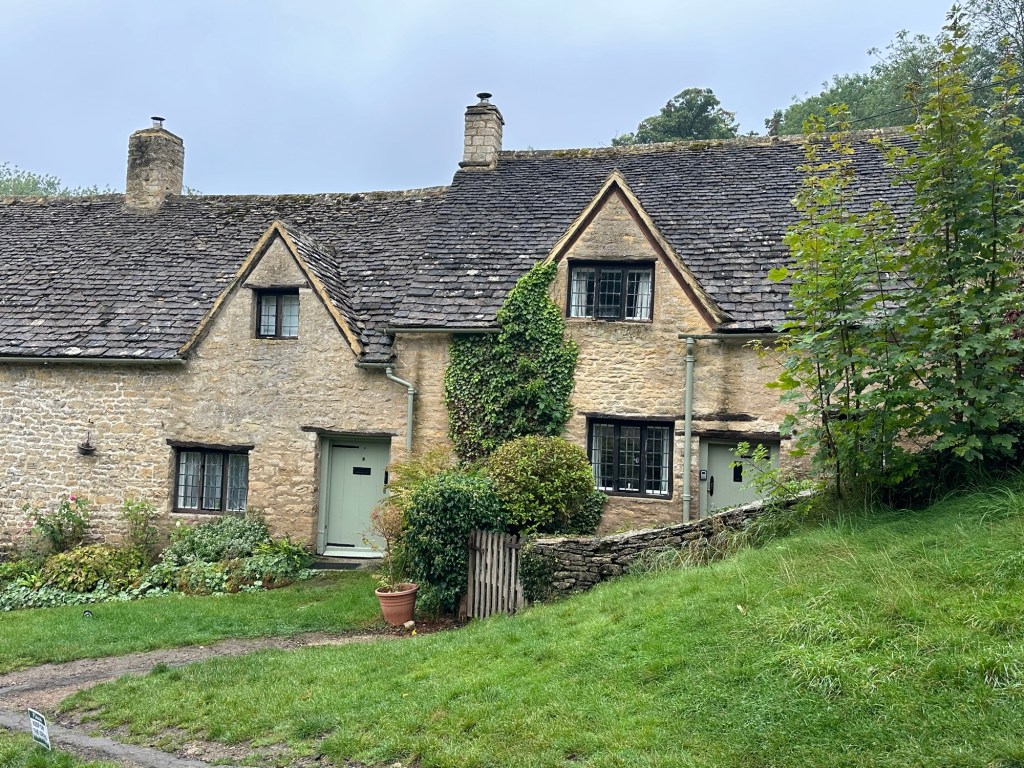
Arlington Row is a series of very photogenic 14th C cottages beside the River Coln, built of local stone (that Jurassic limestone again).
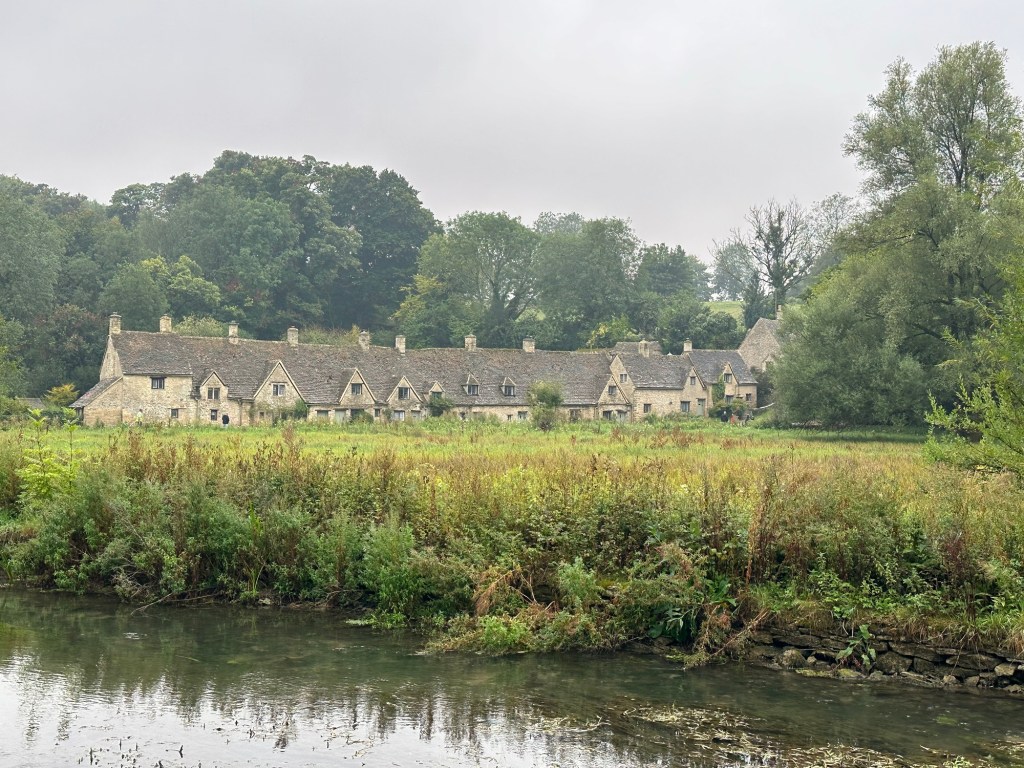
The cottages were originally monastic wool storehouses and were transformed into weaver’s cottages in the 17th Century.
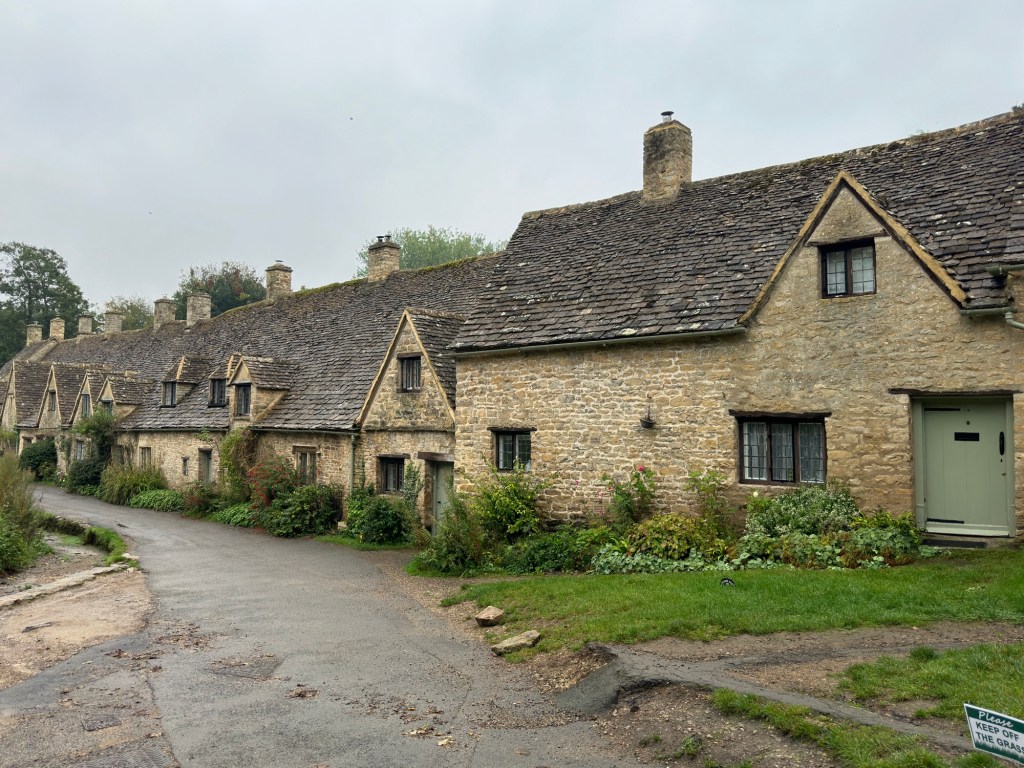
Arlington Row is featured on the first page of the British passport (but appears in blue). The street in front of the houses is called Awkward Hill!
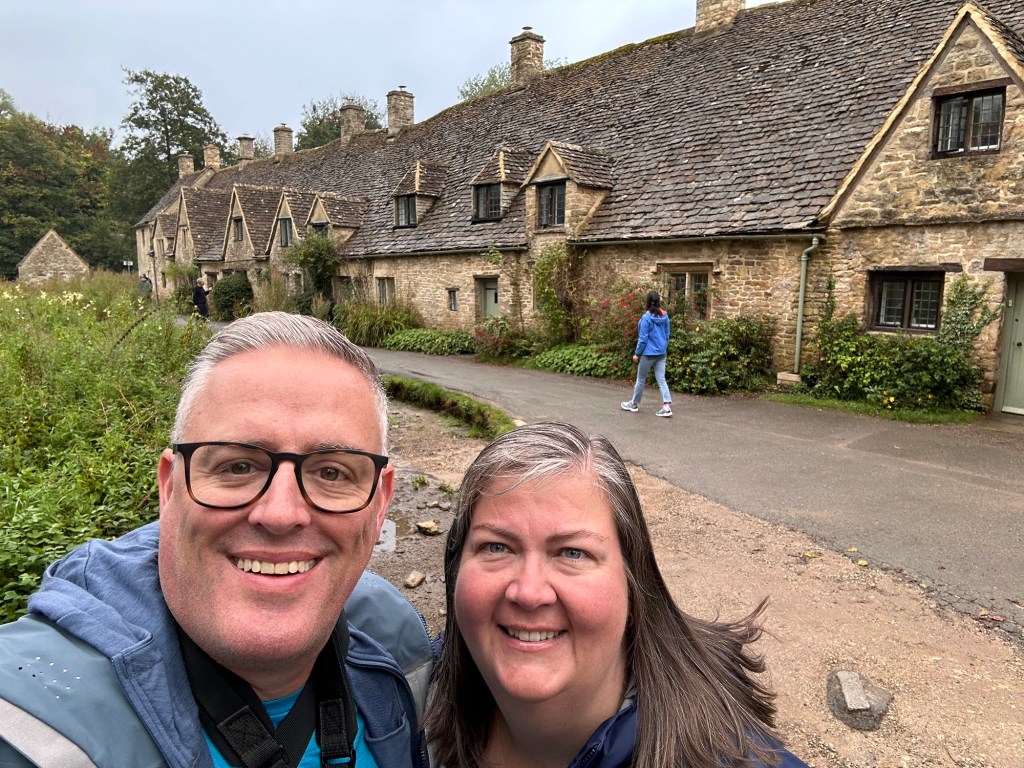
This is possibly the most photographed block in England!

Arlington Mill is another site that has been in existence since the Domesday Book. Originally used to mill corn, it was later used to ‘degrease’ woolen cloth produced at Arlington Row.

The mill has been closed for a long time; the building was used as a rental self-catering accommodation for a while but that is closed too.
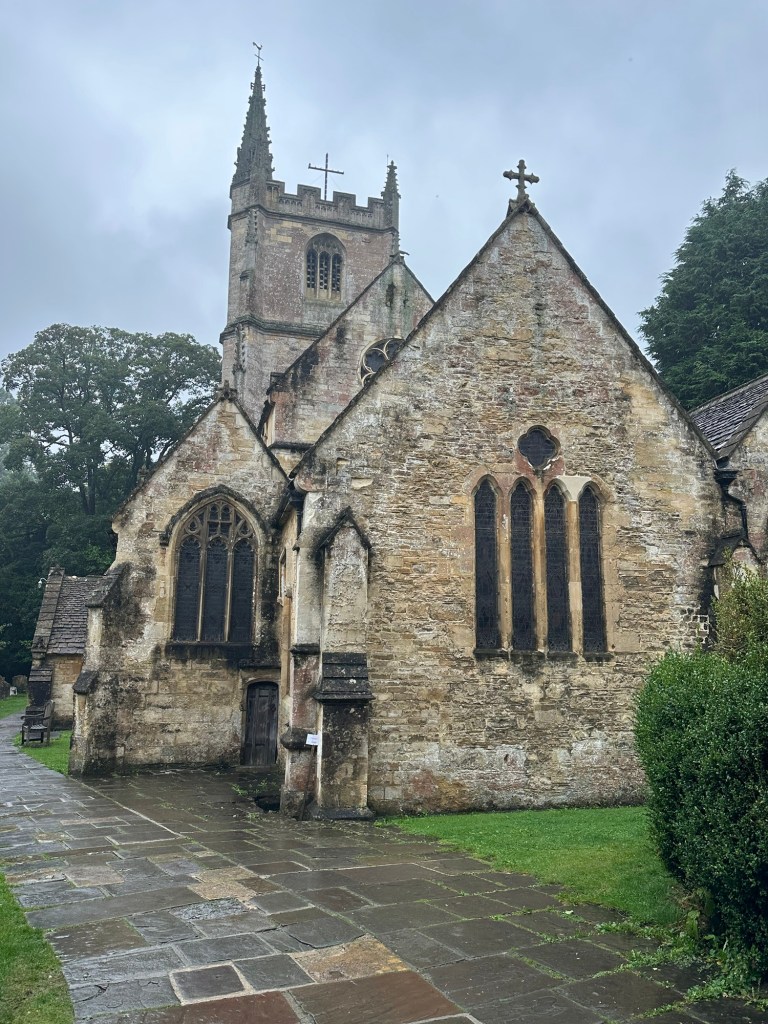
The village of Castle Combe was originally called Castel of Cumbe and was built on an ancient site used by Celtic Britons. There is no longer a castle in the town, but there was a castle north of the village in 1140 which was then abandoned in the 1300’s. No new buildings have been allowed to be built in the village of Castle Combe since the 17th C.

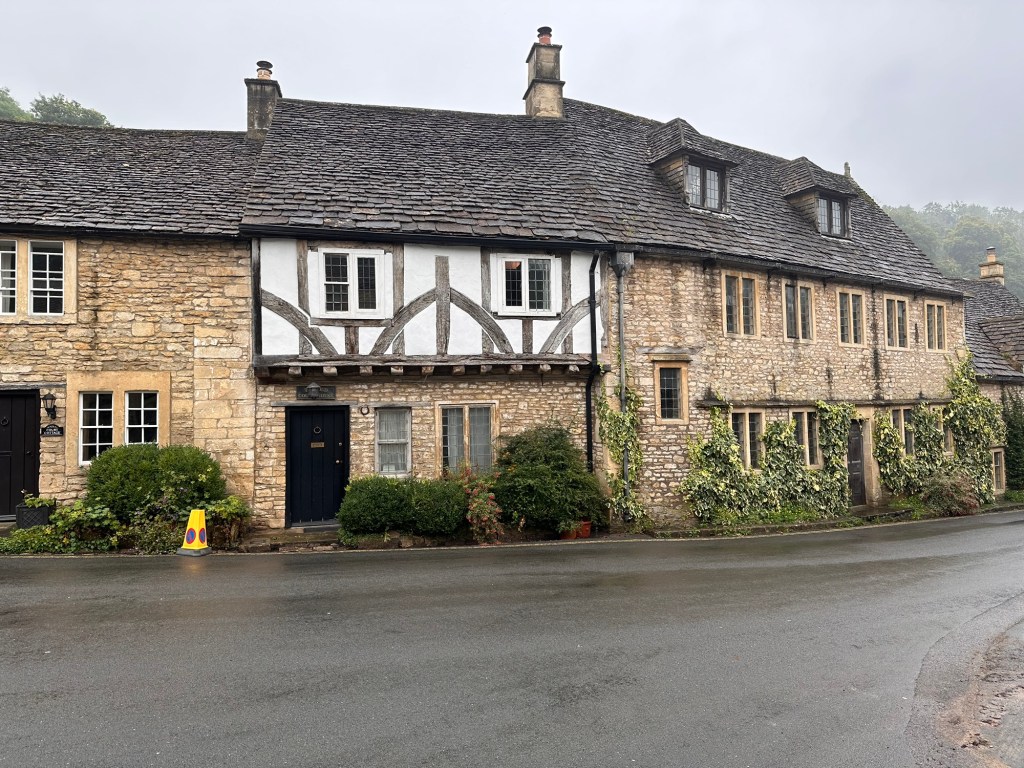
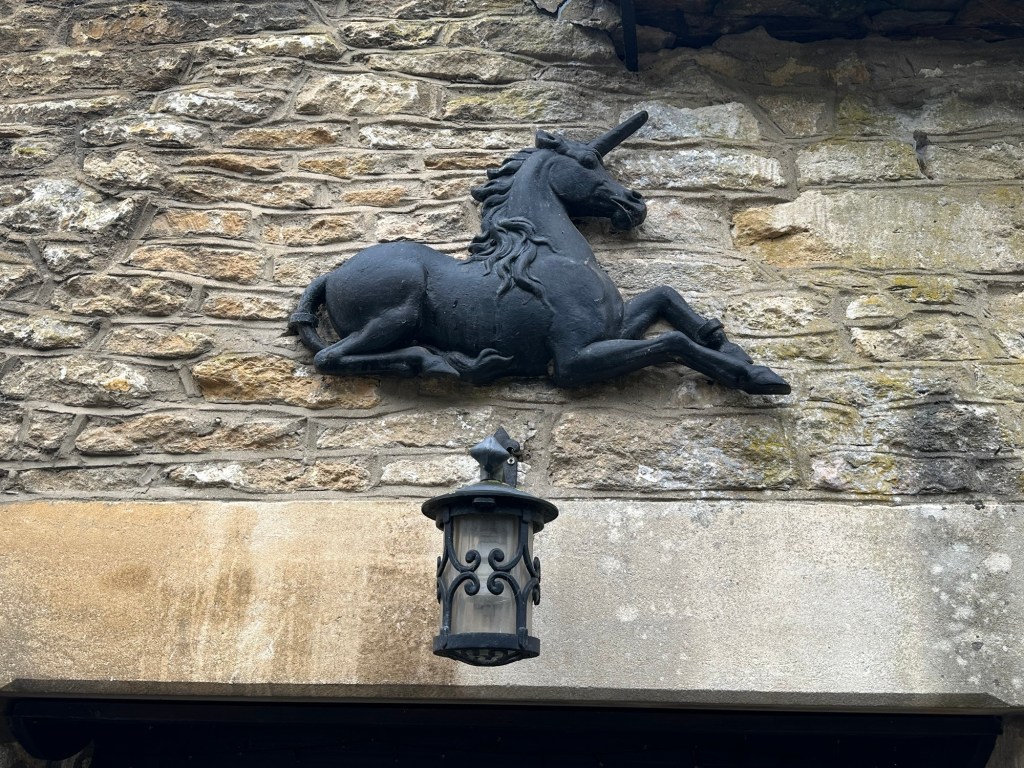
The village was known in the 15th C for its wool and cloth trade, specifically for the white and red cloth that became famous within England and expanded to parts of Europe
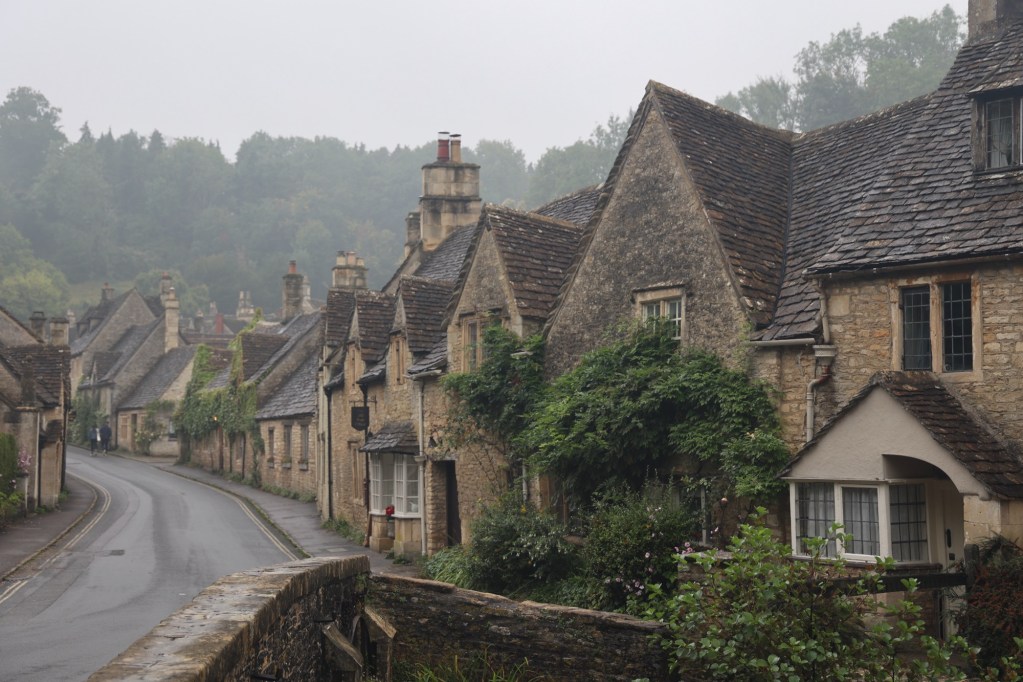
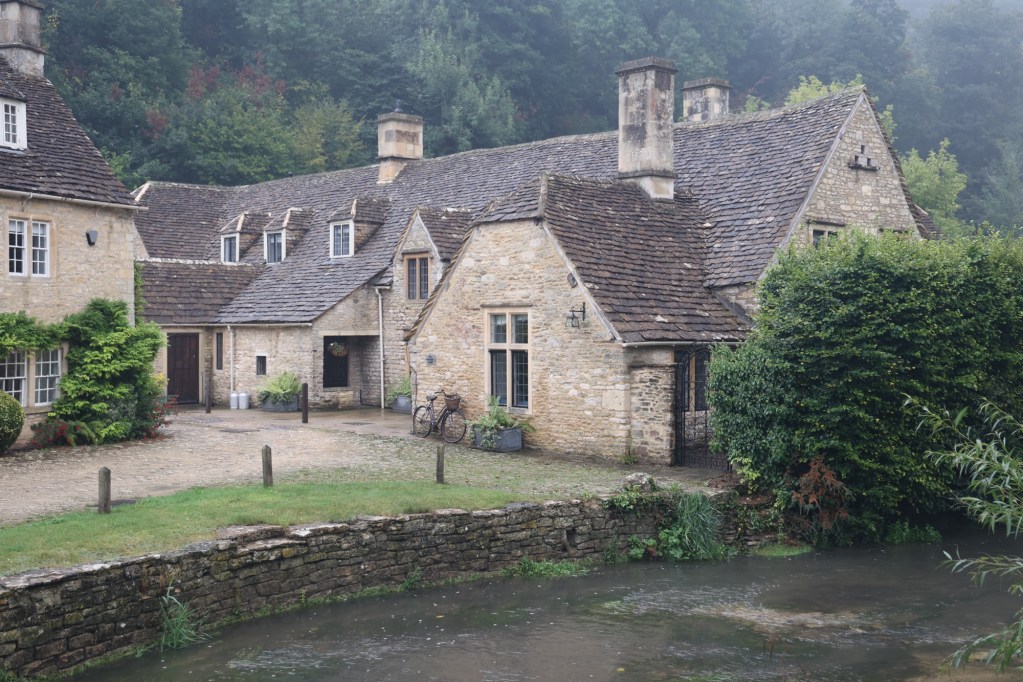
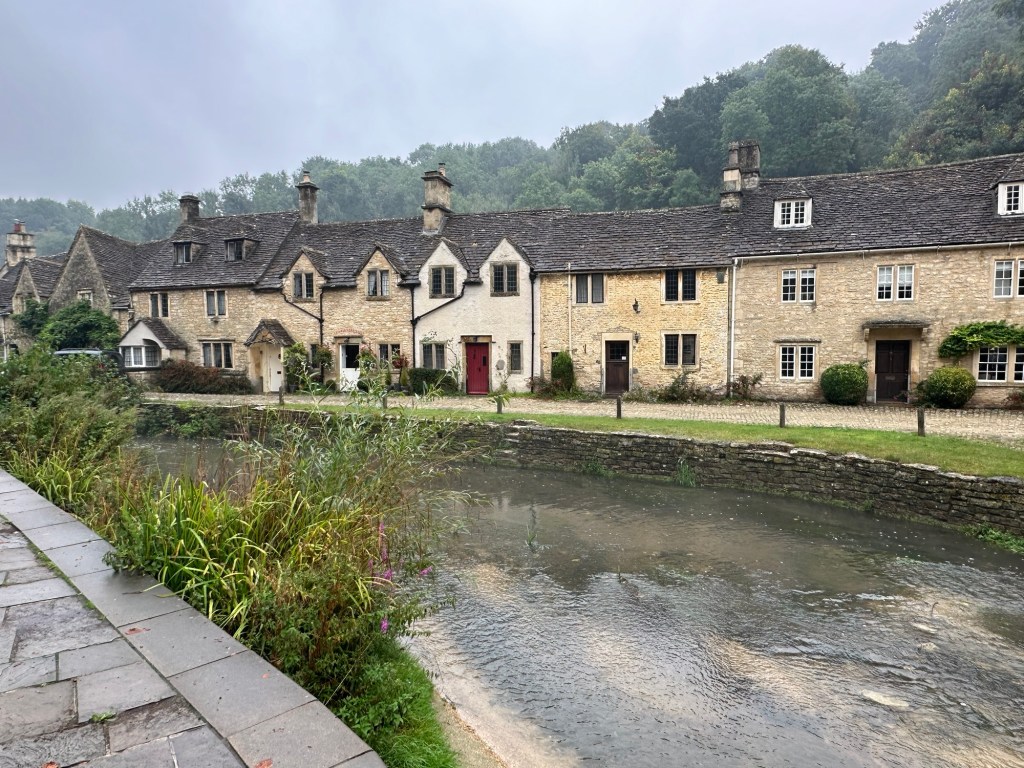
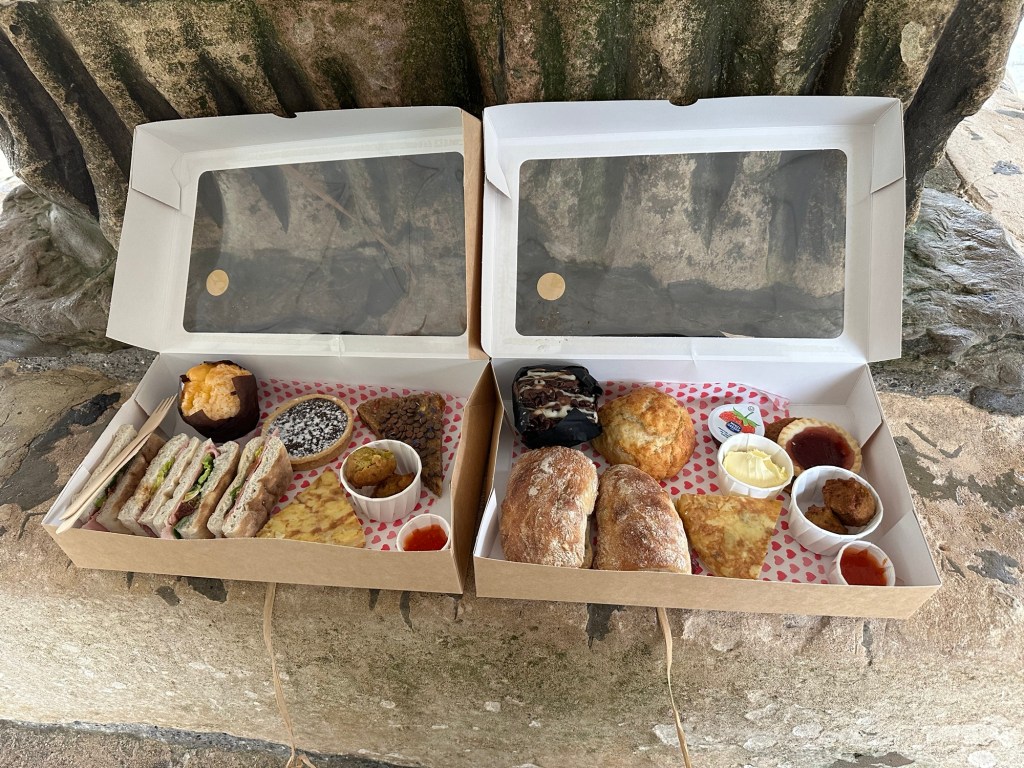
We ordered a hamper from Anna at the Little Picnic Shop (complete with gluten free options for Dave) and set up our picnic lunch at the market cross. It was the driest spot we could find.
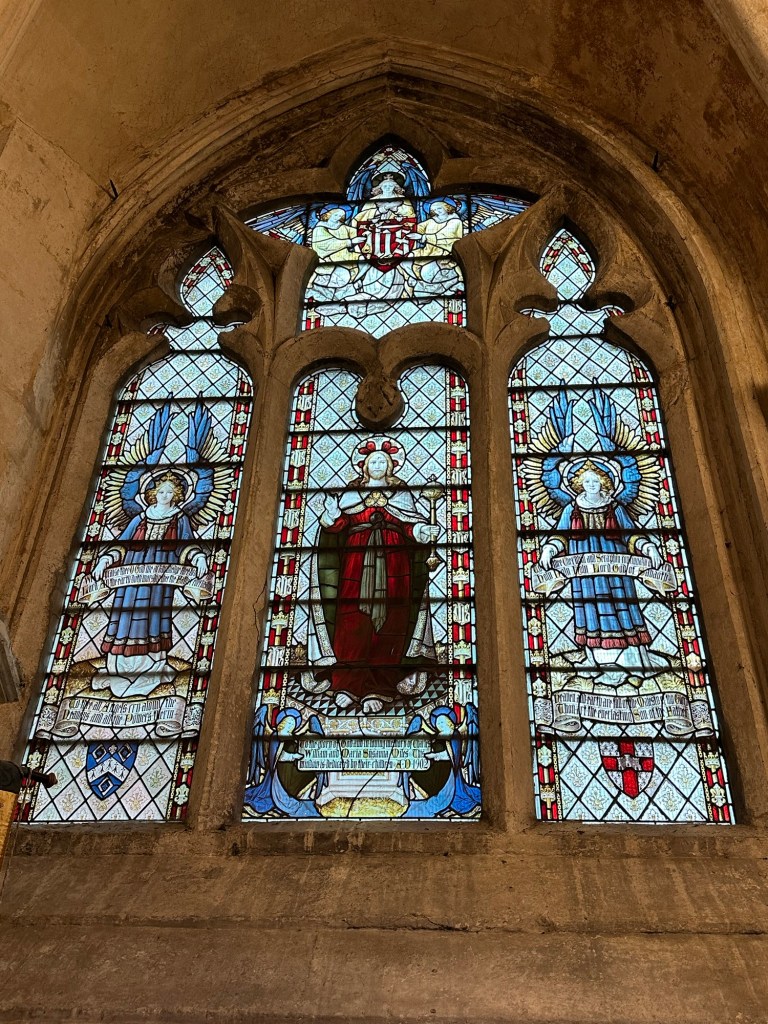
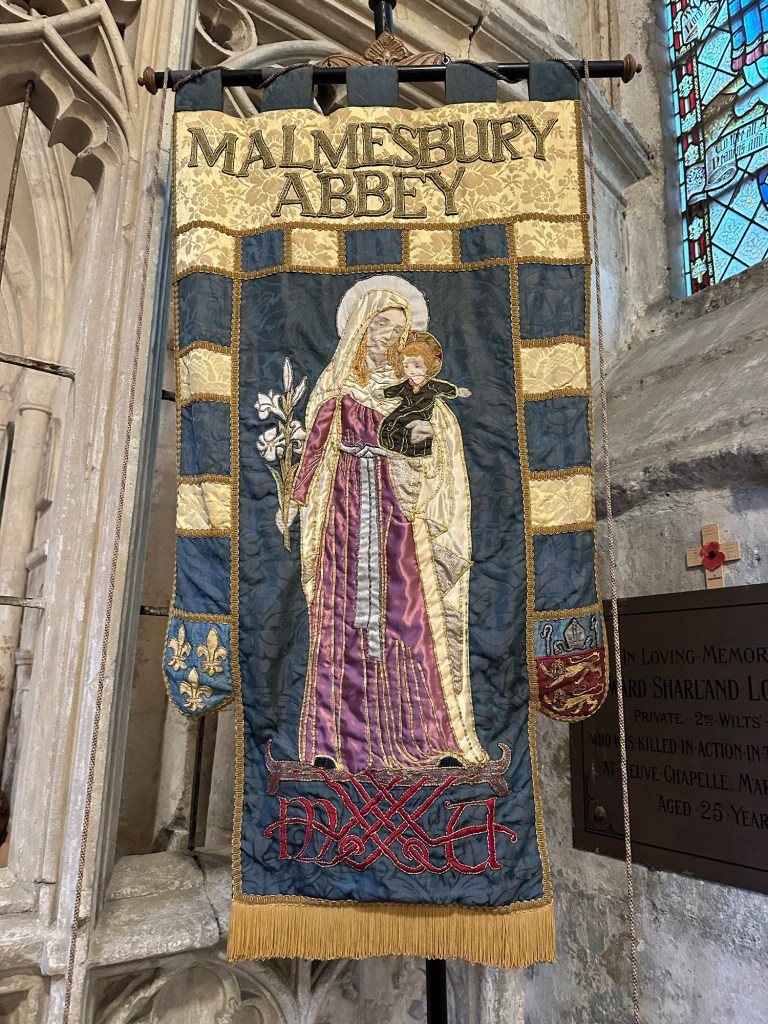
Malmesbury Abbey is another monastery dissolved by Henry VIII. Malmesbury is thought to have been the first capital of England and thus was an important religious site.


replaced the wood.

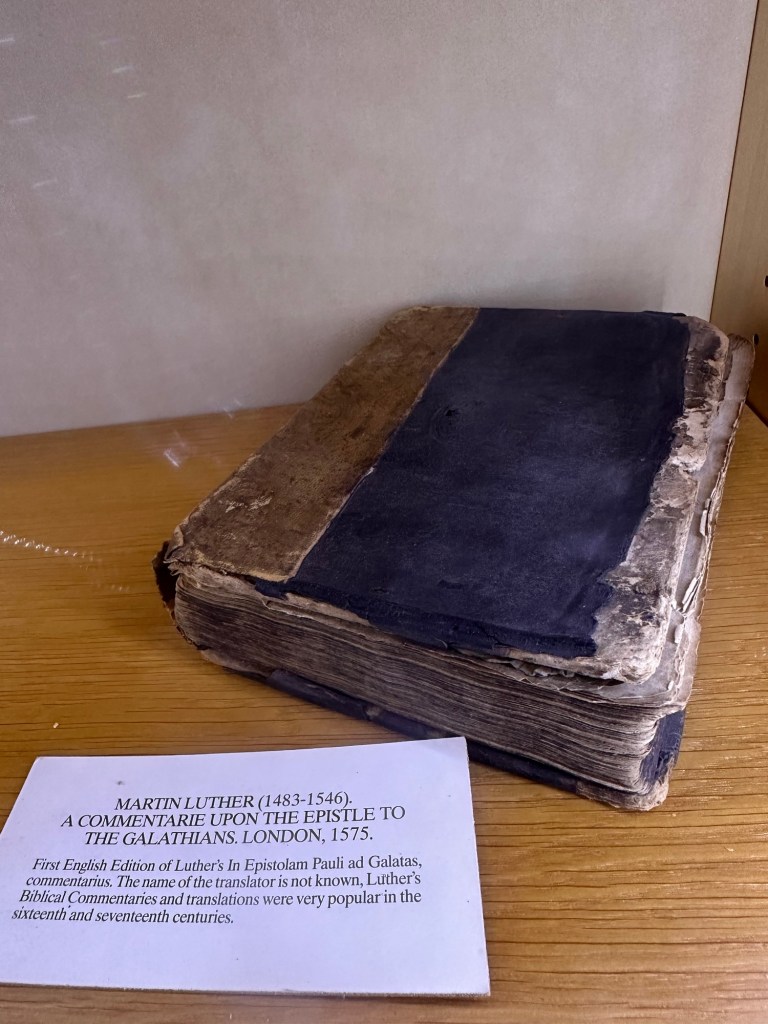
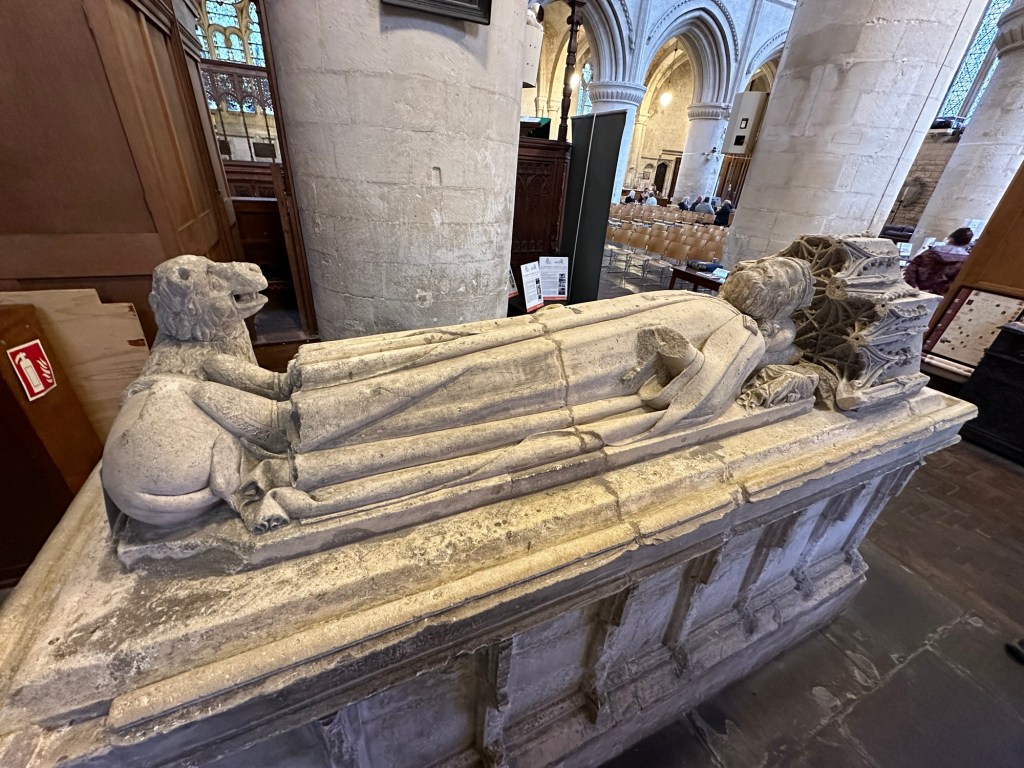
King Athelstan, first King of England (895-939) is buried in the abbey. He was responsible for the translation of the Gospels into Old English, so ordinary people could hear God’s word in a language they could understand.
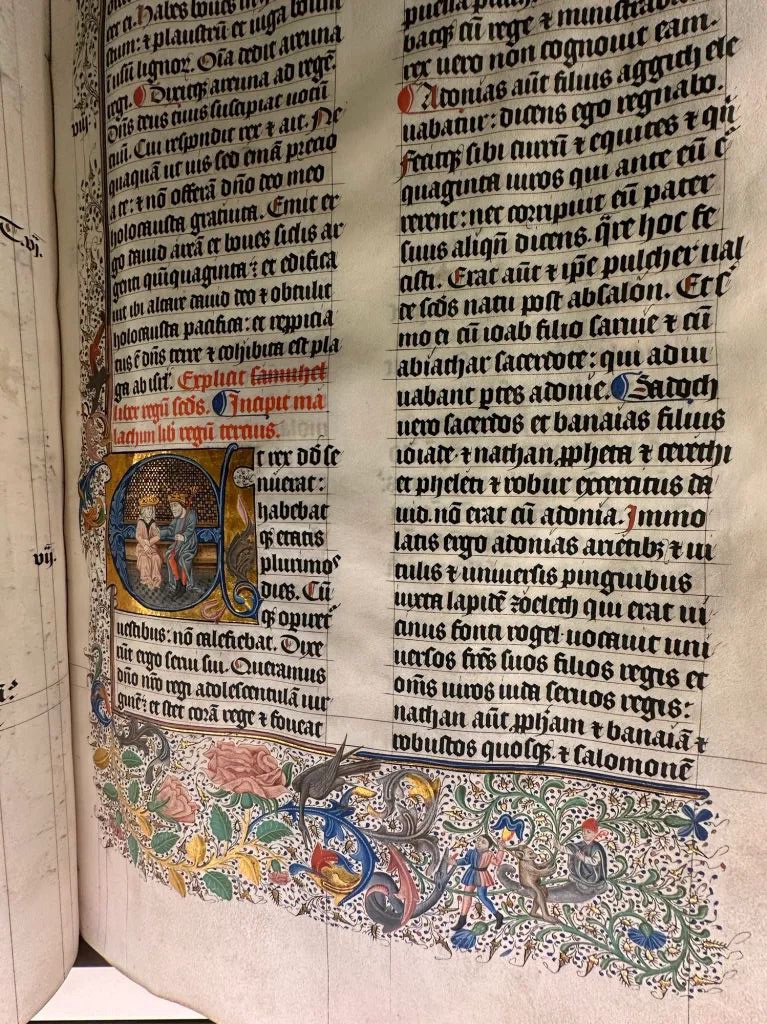
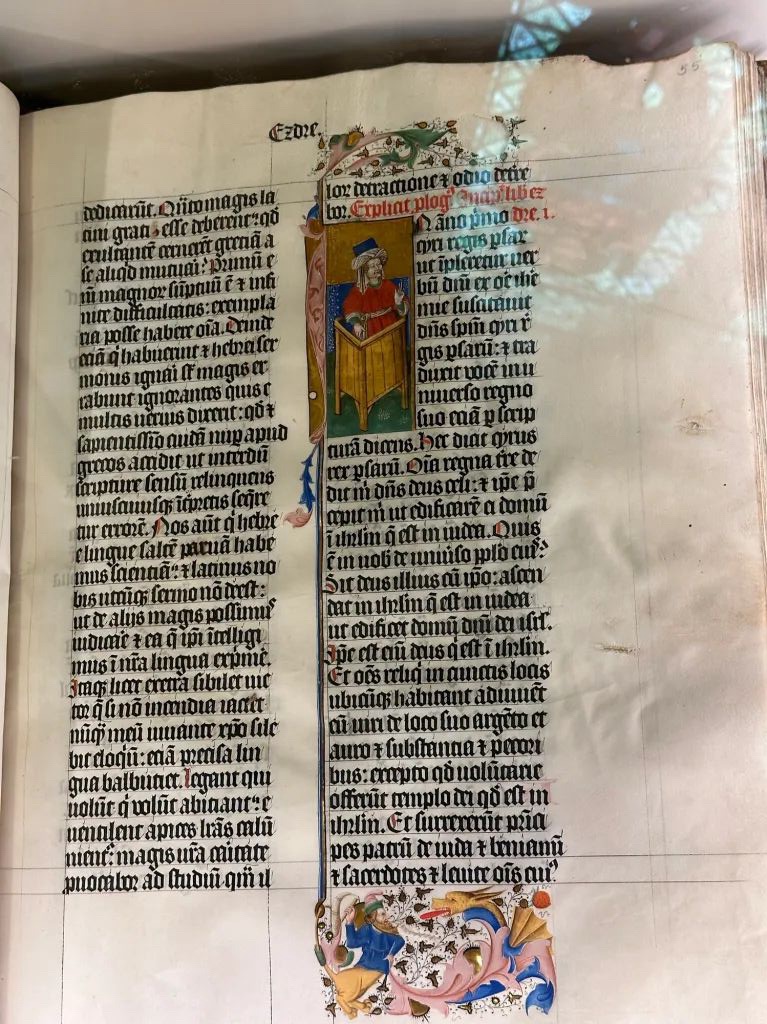
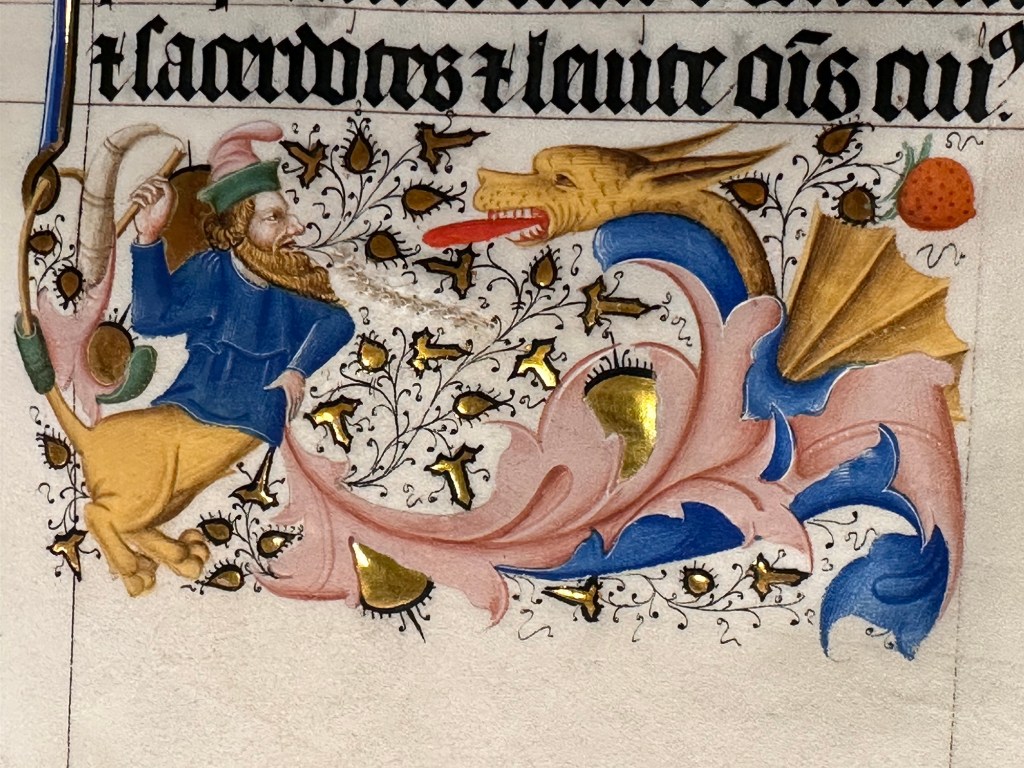
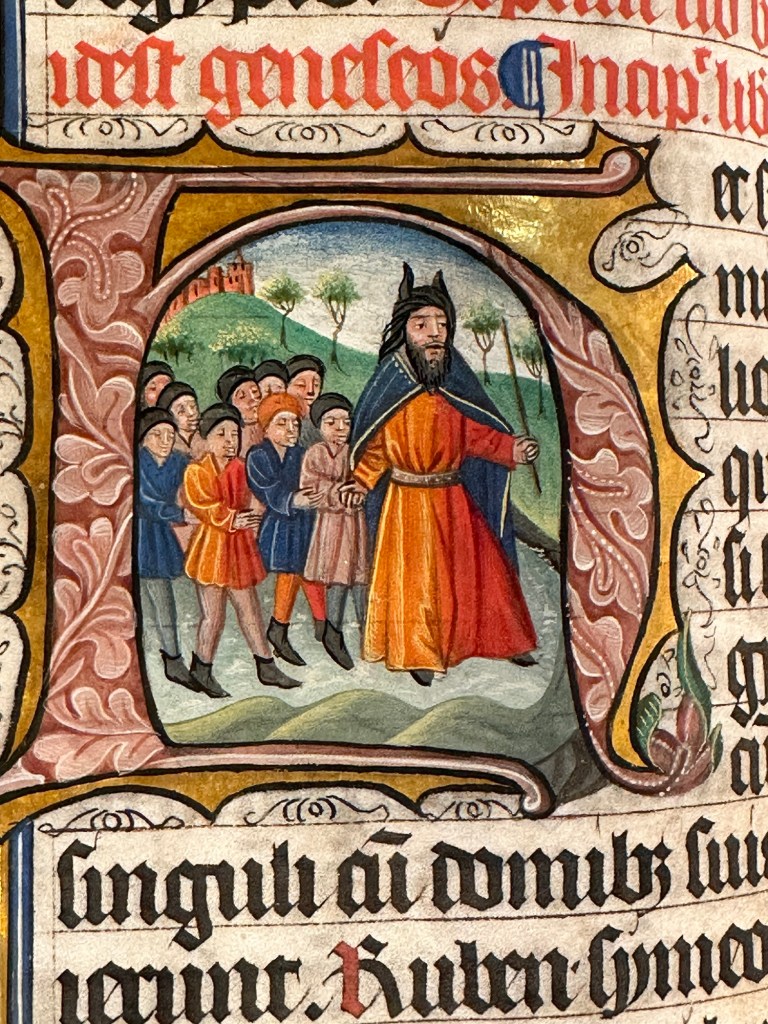
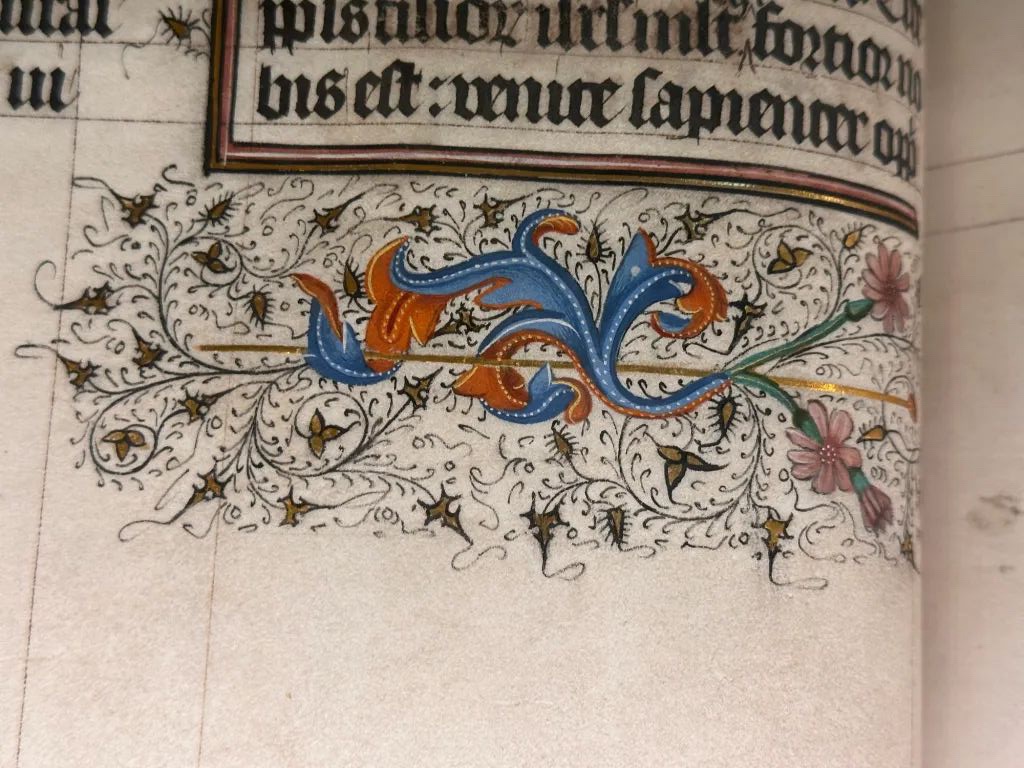
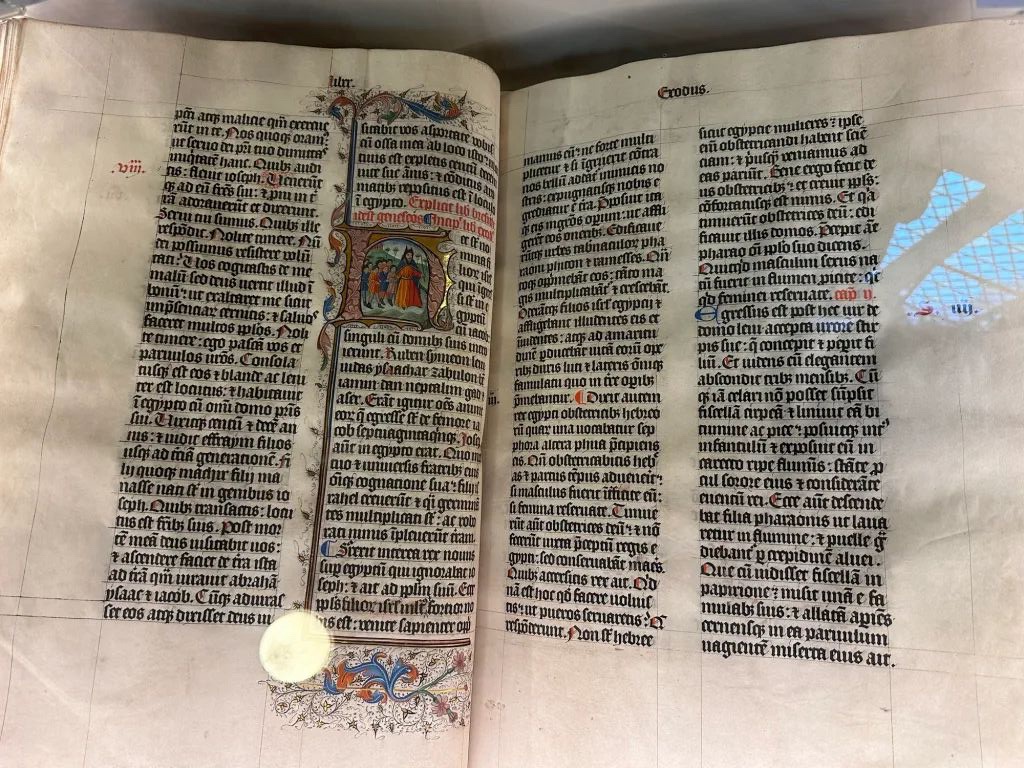
The illuminated bibles on display are absolutely amazing.

Tomorrow we head into Moreton-On-Marsh for our last day in the Cotswolds.


Leave a Reply