

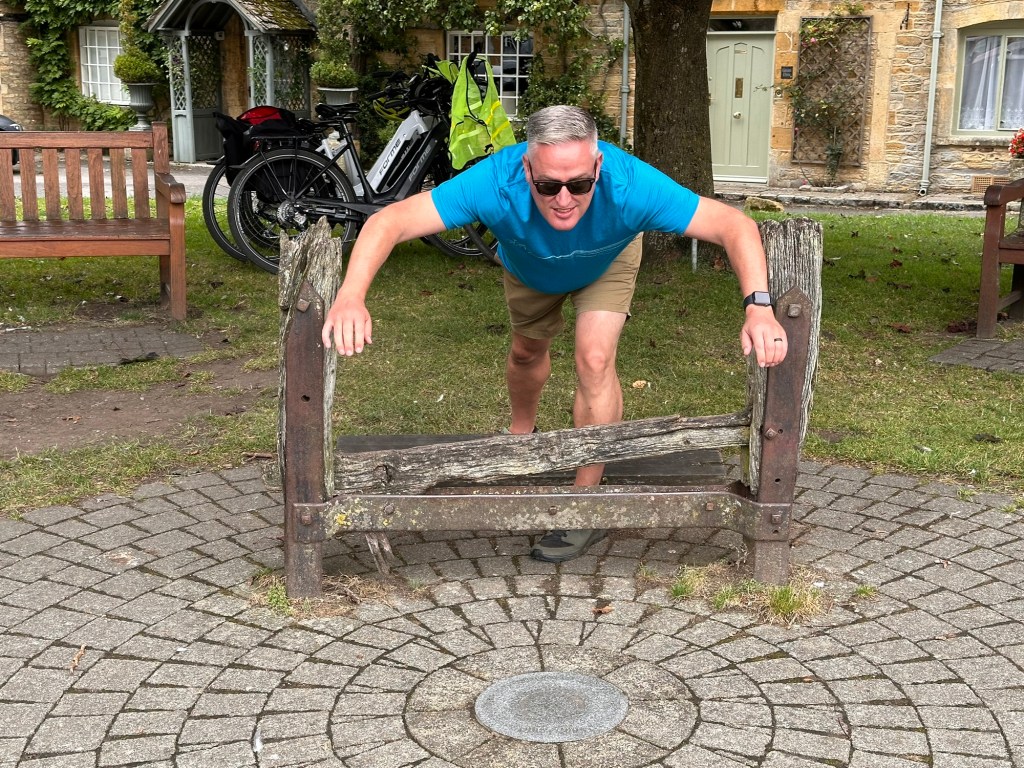
Stow-on-the-Wold is the largest town in the Cotswolds. As with many other towns in the area, it was an ancient wool town and was established in 947 AD. The town sits at the crossroads of three trade routes at a high point in the region.
In the Middle Ages, much of the industry in the Cotswolds was sheep farming; the local breed of sheep was called the Cotswold Lion. Most of the proceeds from the sale of wool went toward building churches across England between 1250-1350 – these became colloquially known as wool churches.
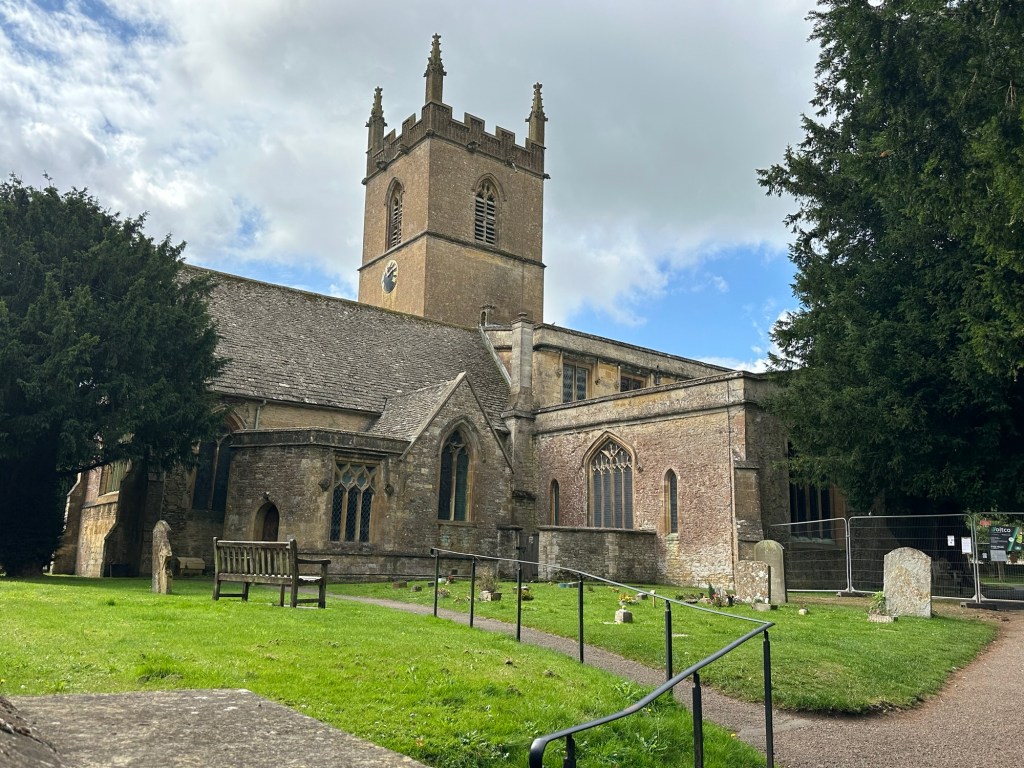
The first recorded building on this site was from 986; the current building is much newer but possibly retains some stonework from the 12th C.
The entry door to the north is framed by two huge and old yew trees – they are said to have inspired J.R.R. Tolkien in his description of the Doors of Durin, the entrance to Moria.

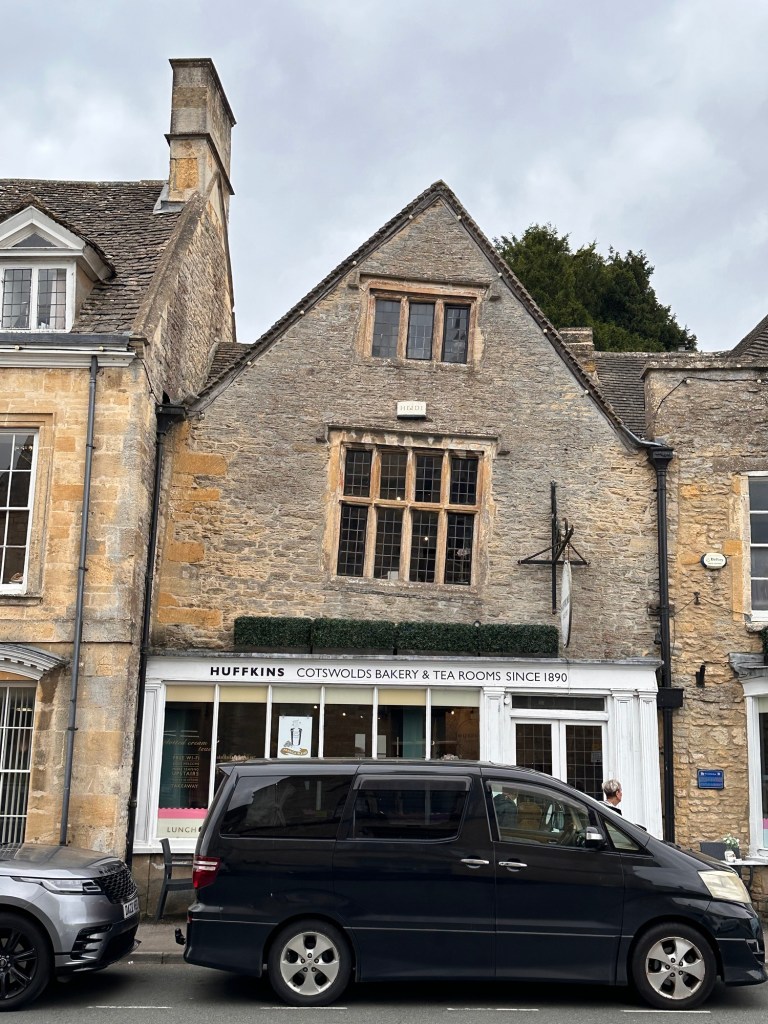

It was too early for lunch in Stow (although there are many yummy looking restaurants) so we stopped by The Old Bakery Tearoom for elevensies. Husband and wife team Jackie & Alan made Dave happy with their gluten free scones.
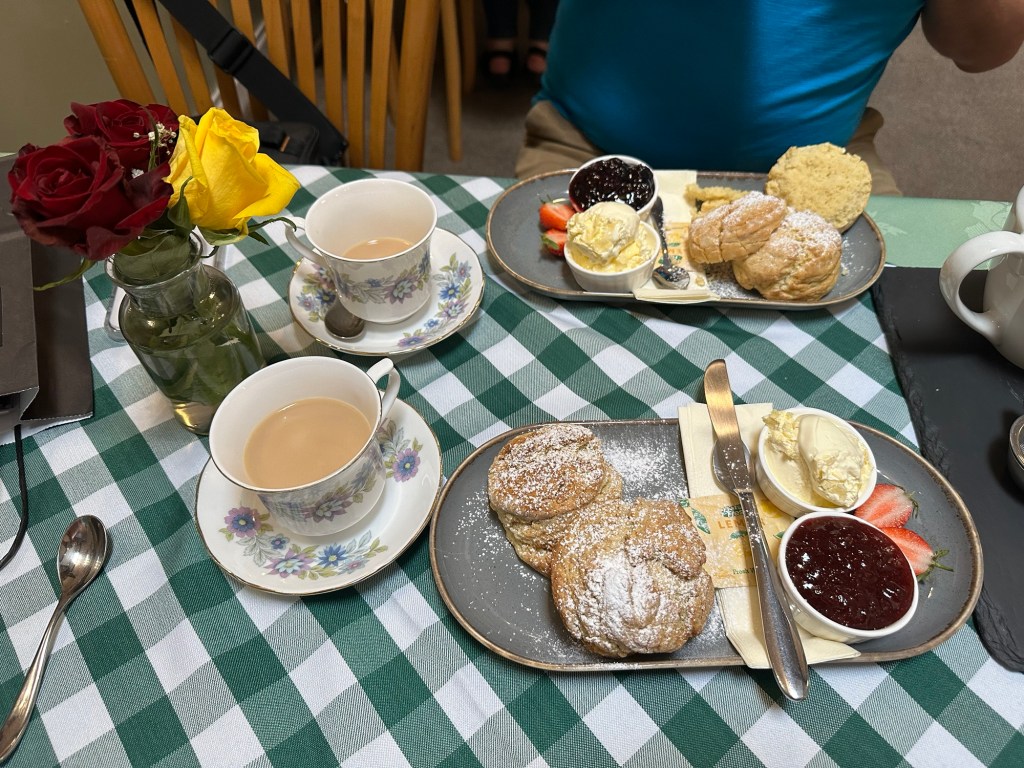
and strawberry/forest berry jam!

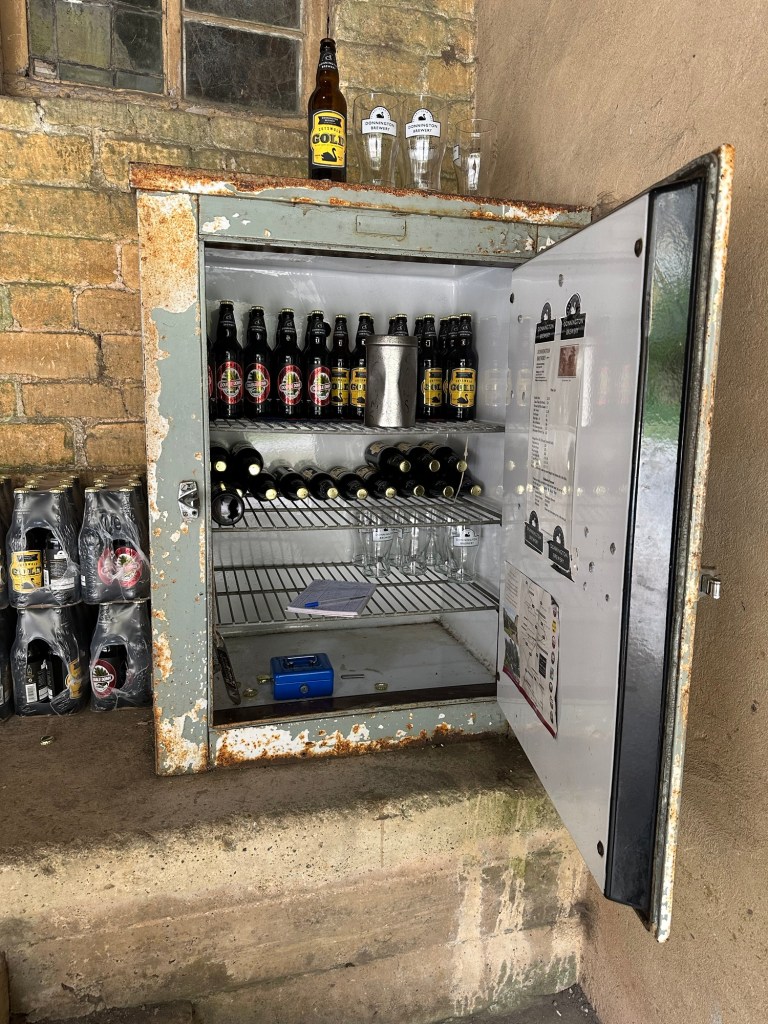
Thomas Arkell bought a 13th C watermill in the countryside next to the Dikler River in 1827 & Richard Arkell began brewing beer as the Donnington Brewery in 1865. Today the mill is still used to drive the pumps and machinery to brew their beer.



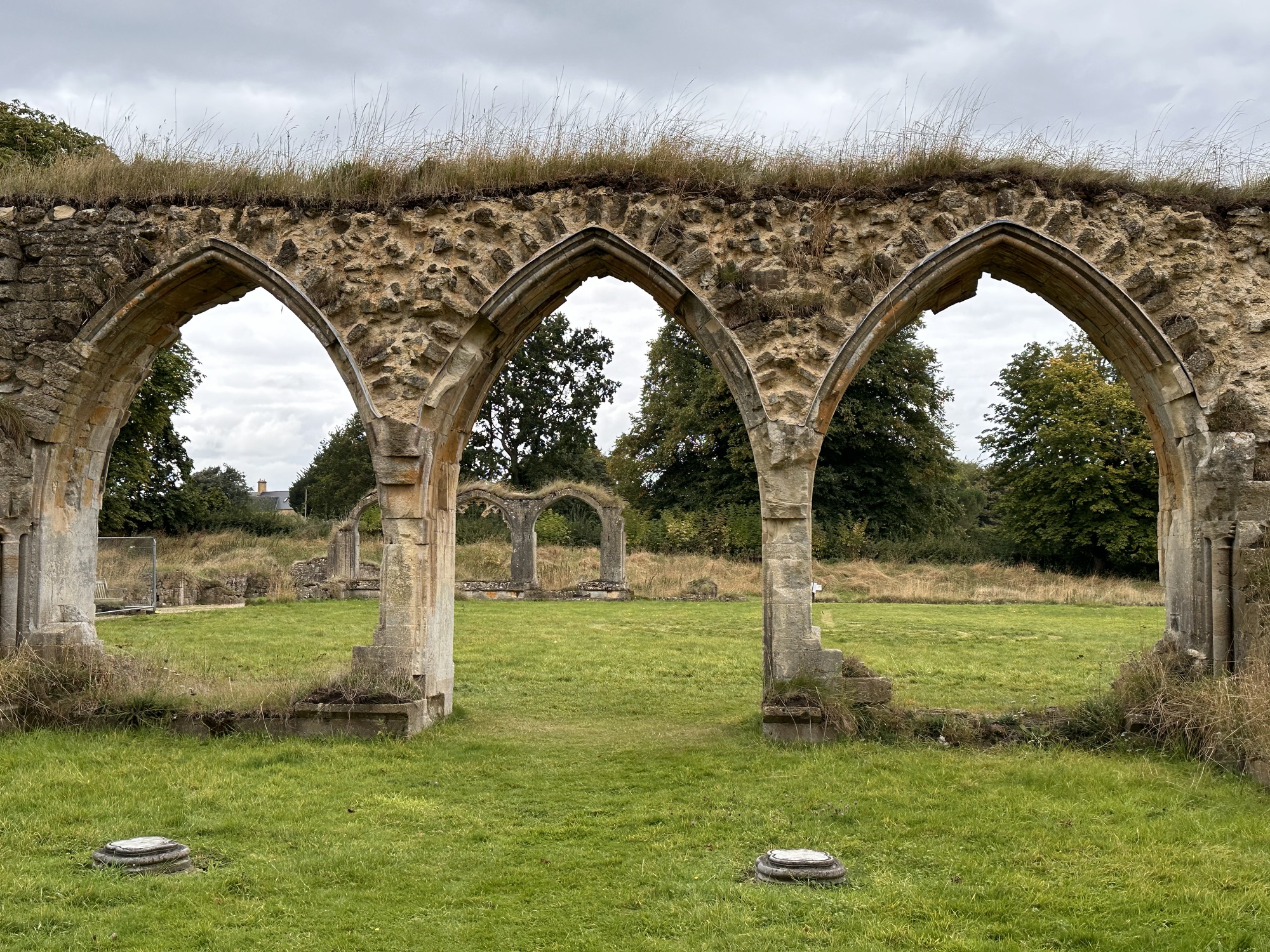
Hailes Abbey is the ruin of a 13th C (1246 AD) Cistercian abbey, founded by Richard, the Earl of Cornwall (brother of Henry III).
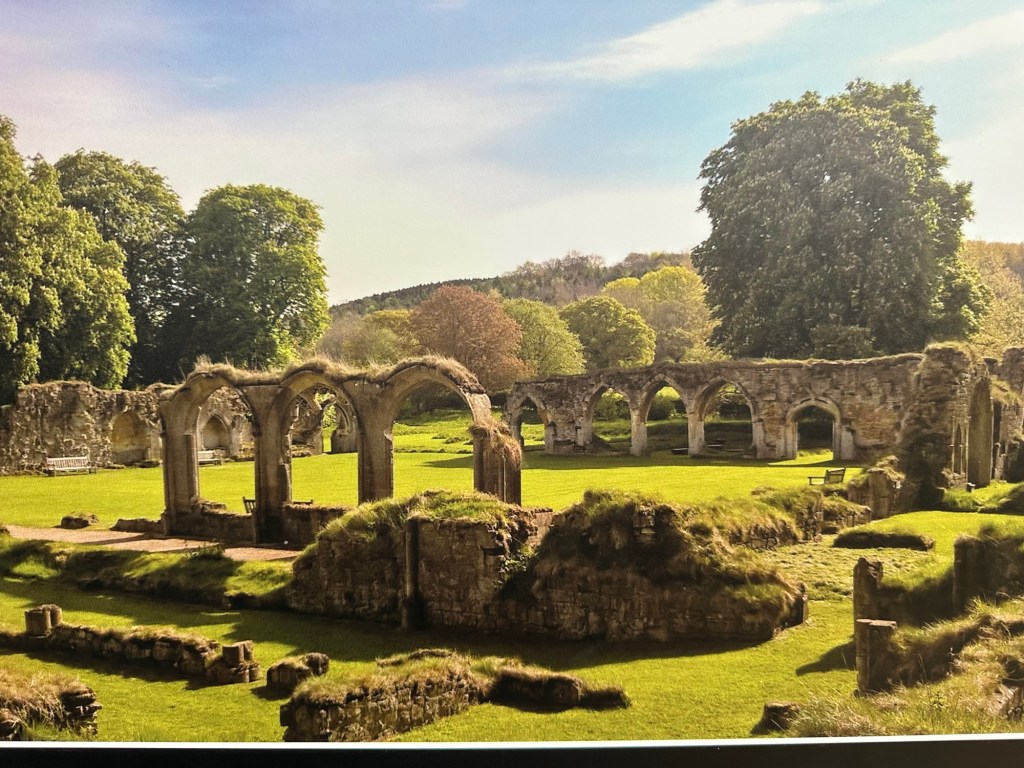
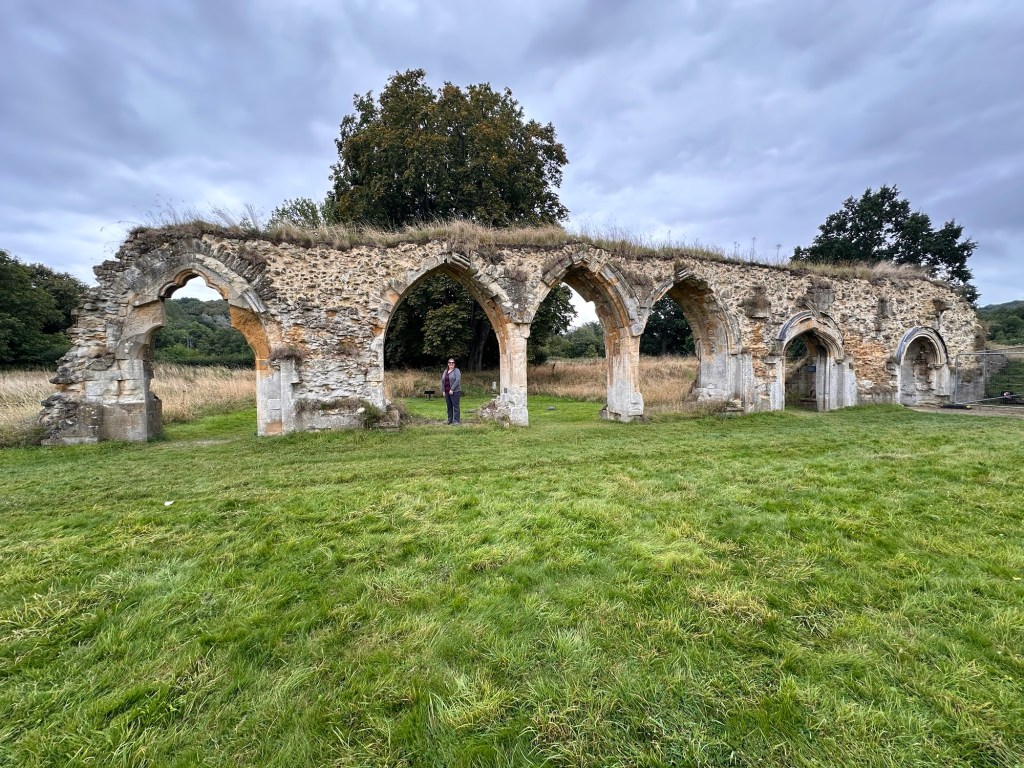
The Cistercians branched off from the Benedictines & favoured a simple and disciplined style of worship.
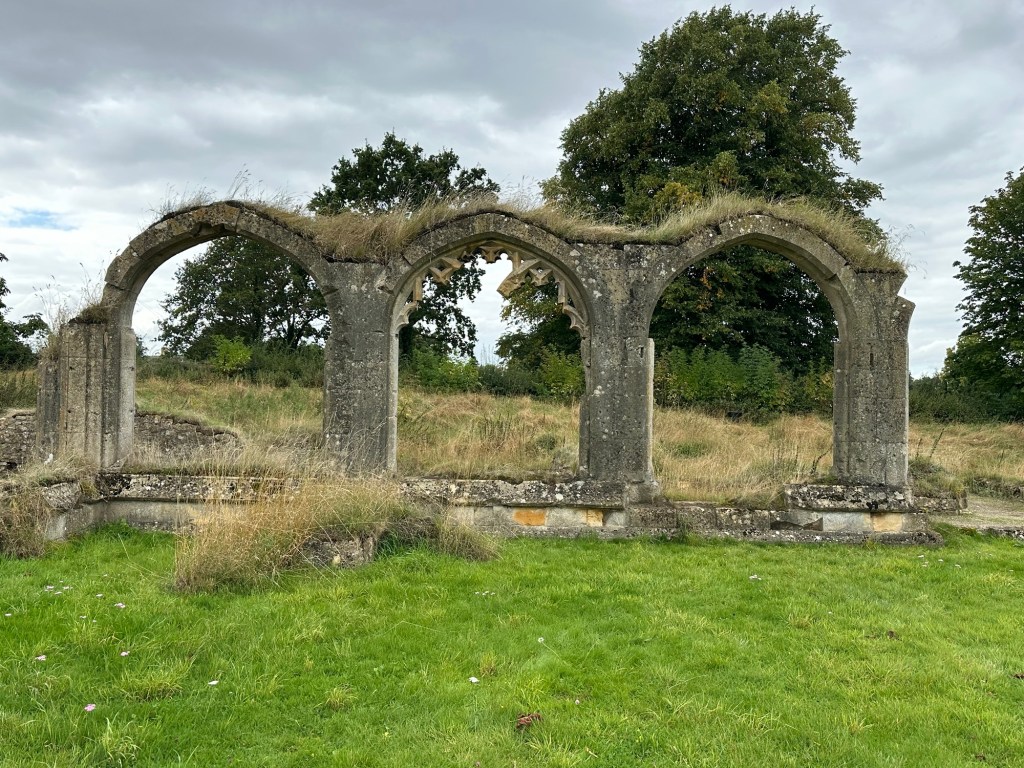
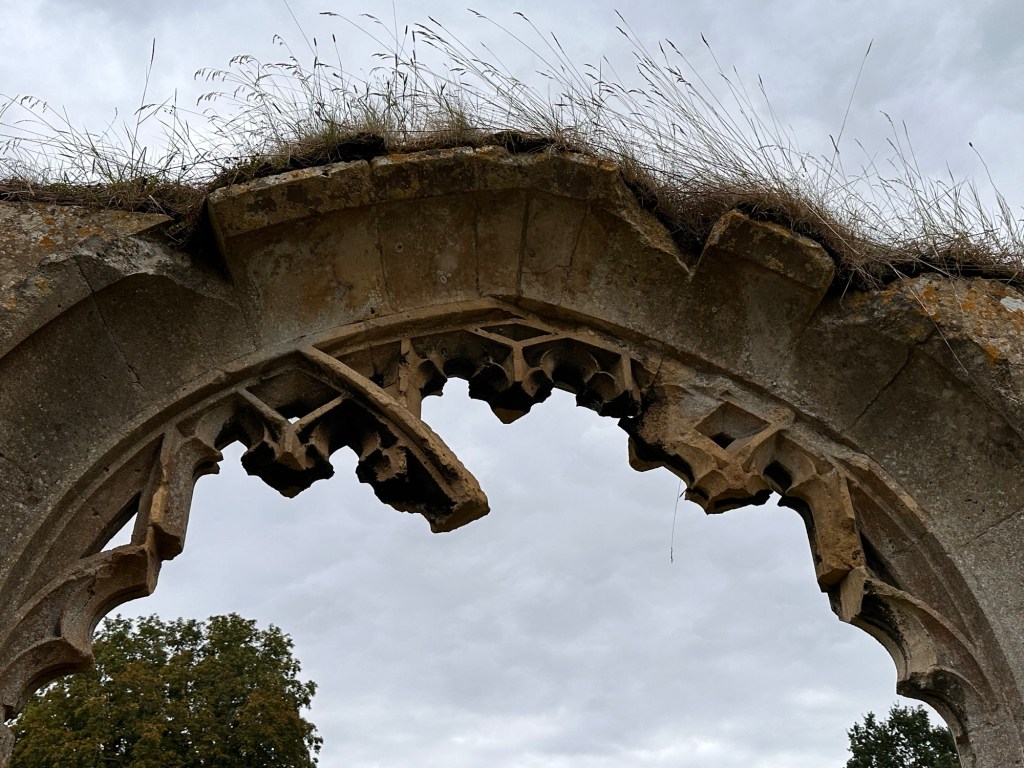
Hailes Abbey became a major pilgrim destination in medieval England due to their possession of a vial of blood said to be shed by Christ during his crucifixion.
Hailes Abbey is referred to by name in Chaucer’s Canterbury Tales.

mentions the Holy Blood of Hailes

The abbey was dissolved by Henry VIII in 1539 during the Suppression of the Monasteries, an administrative and legal process between 1536-1541 by which the king disbanded 800 monasteries, priories, convents and friaries in England, Wales and Ireland as he squashed Catholicism and created the new Protestant Church of England (and took their assets and incomes to fund his military campaigns).
Across the road from the Abbey is Hailes Church dating from 1005.


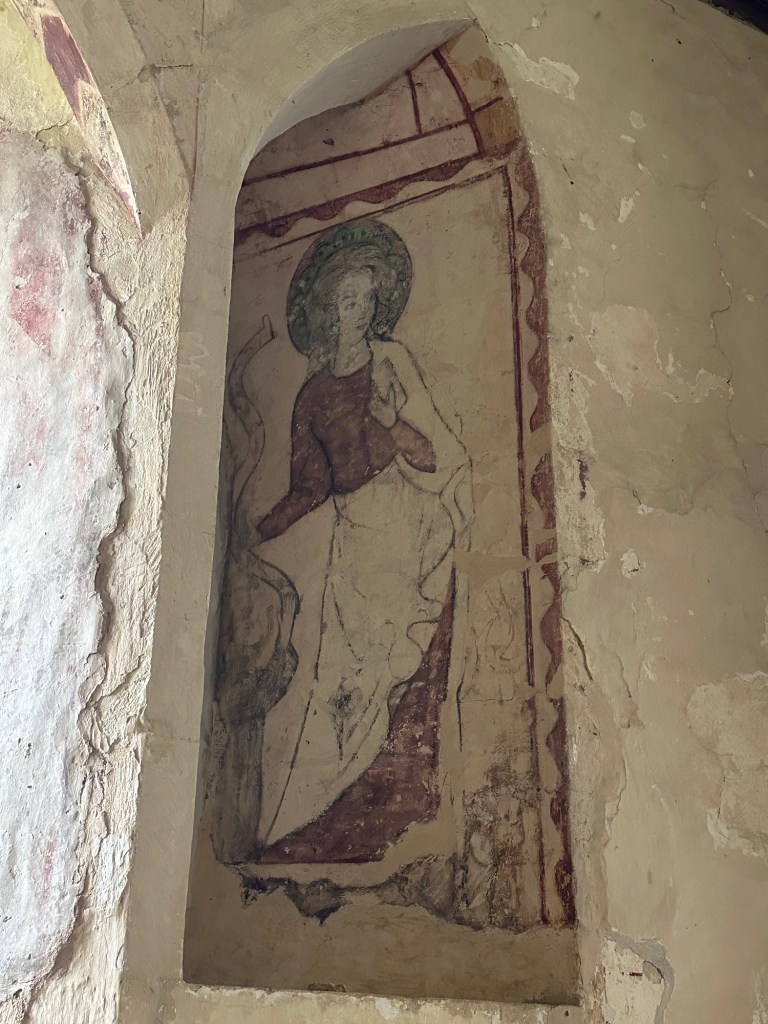

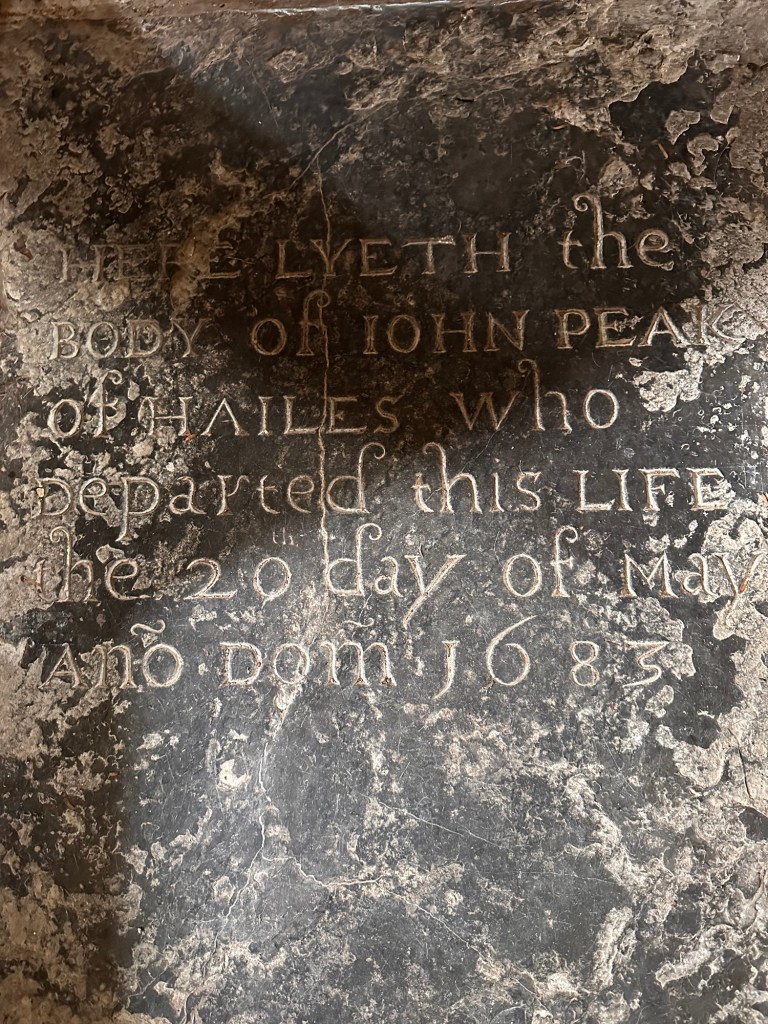
The newest grave we saw was from 2021 but there was a fresh hole for a recent resident to arrive.
We walked up the road to the Hayles Farm and shop. The shop was an odd mix of fresh local farm foods and a surprisingly huge selection of Traegar grills and Yeti products.
Tomorrow we will explore Bourton-on-the-Water and Lower Slaughter.


Leave a Reply