


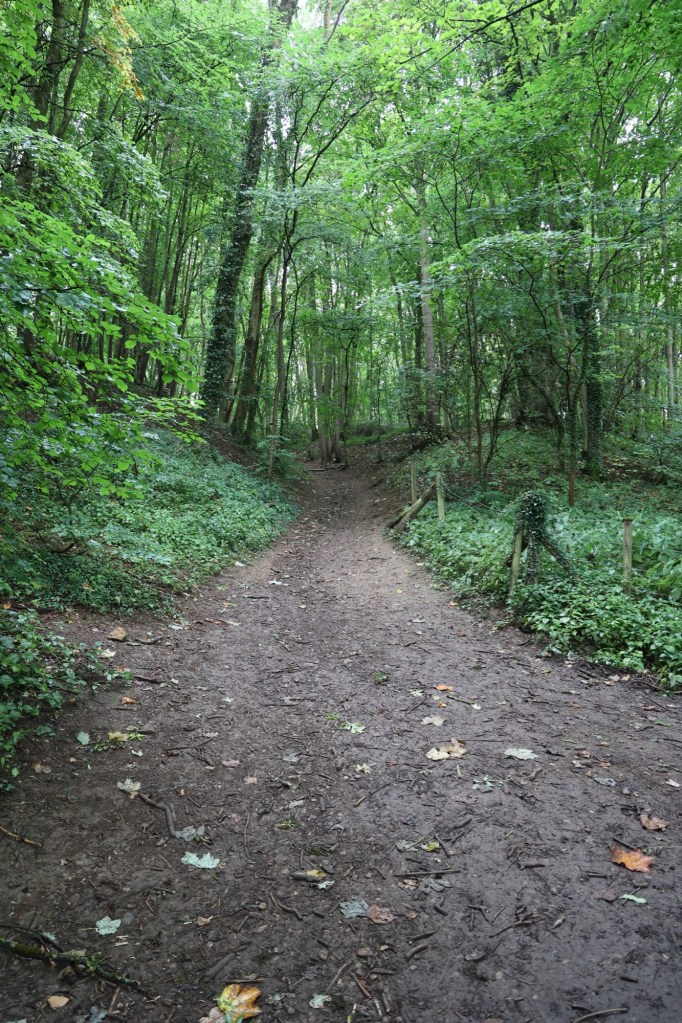
We woke up to rain this morning – much more than the 2mm potentially forecasted. So we dawdled over breakfast and coffee until the weather cleared a bit. Then it was a short drive to this morning’s walk through the pretty woods.
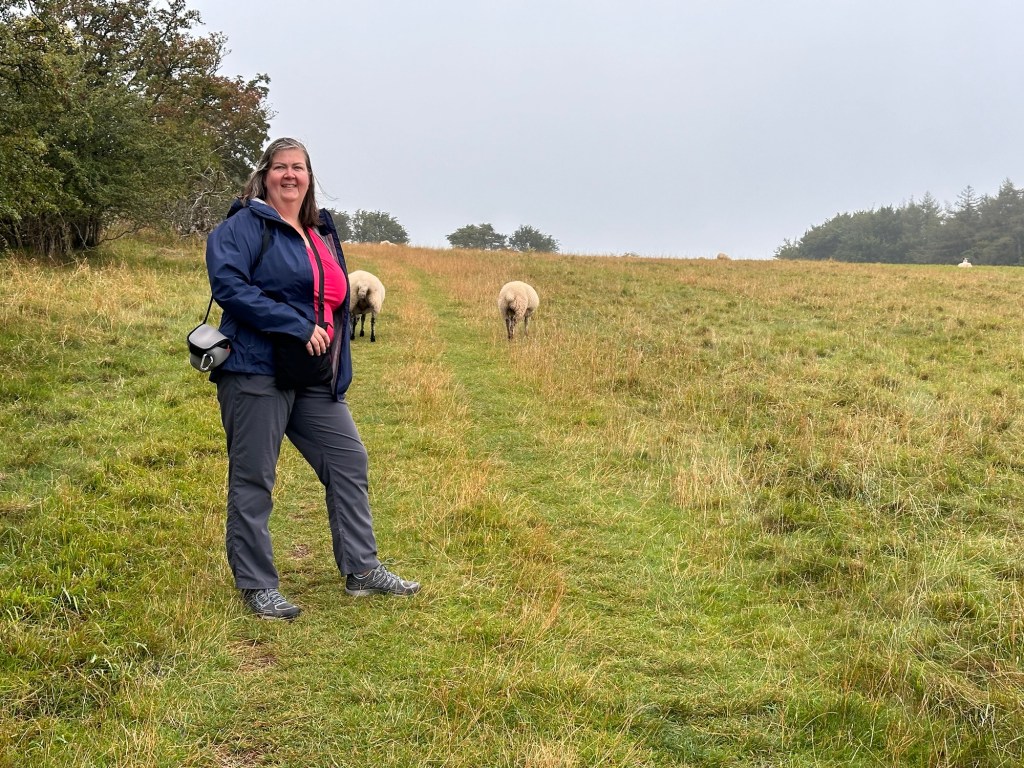
The trail took us along the edge of a sheep field where we interacted with the locals.

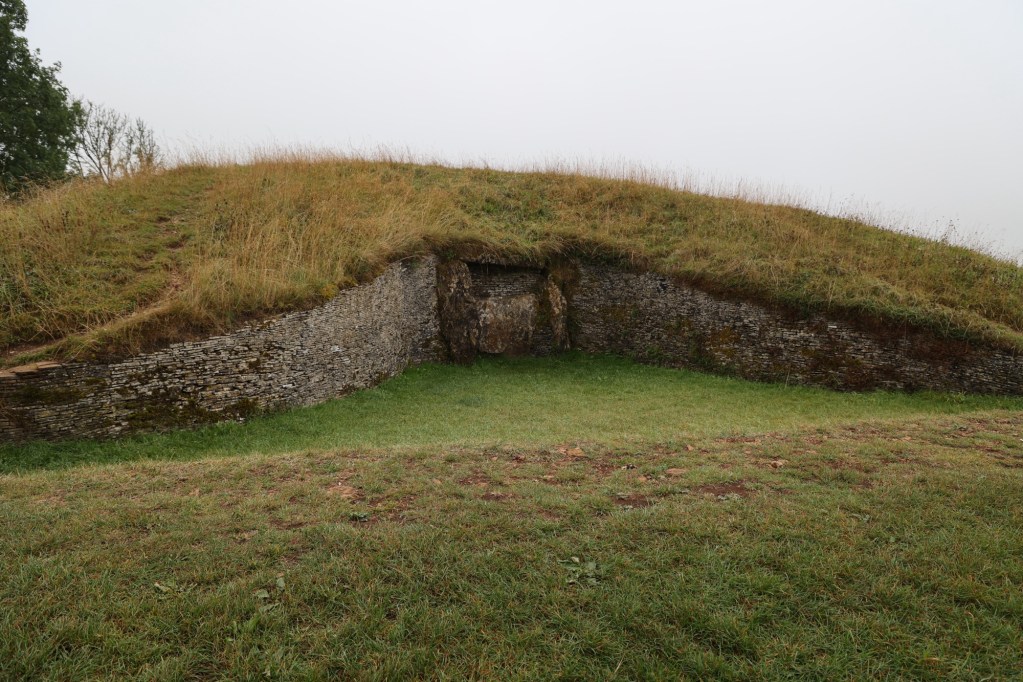
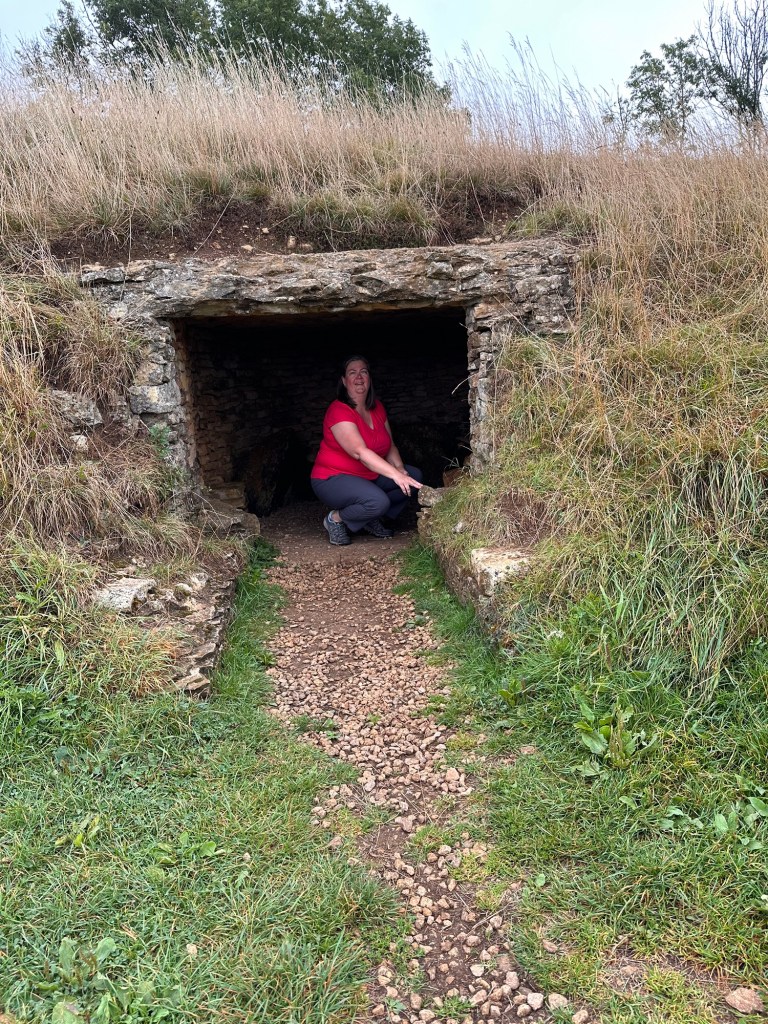
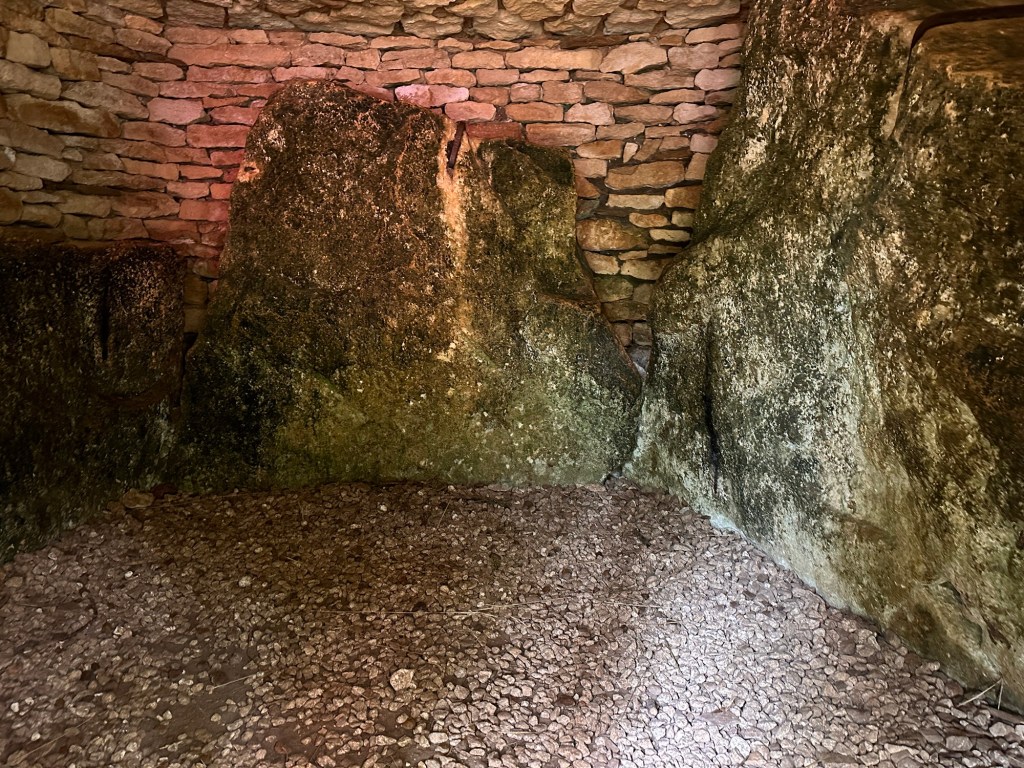
The Belas Knap Long Barrow at the top of this hill is an ancient neolithic burial ground, likely constructed around 3000BC and used for successive burials over a period of years until the burial chambers were deliberately blocked. The tomb has a false entrance at the ‘front’ and two side chambers.
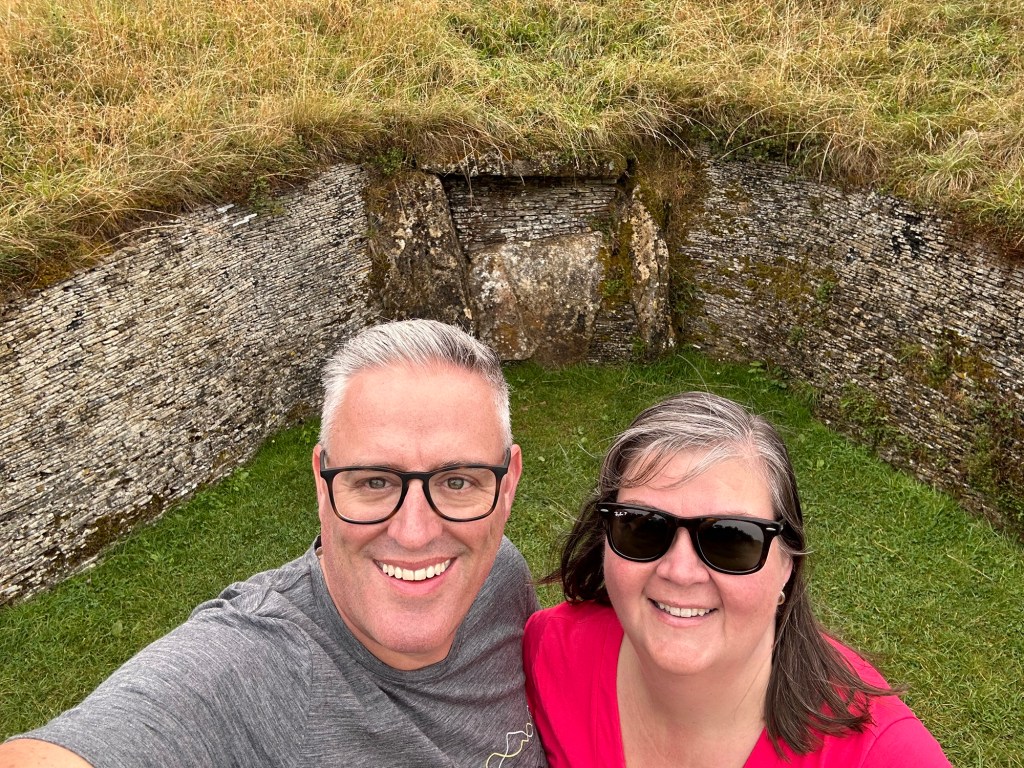
The remains of 31 people were found inside during excavations in 1863 and 1865.
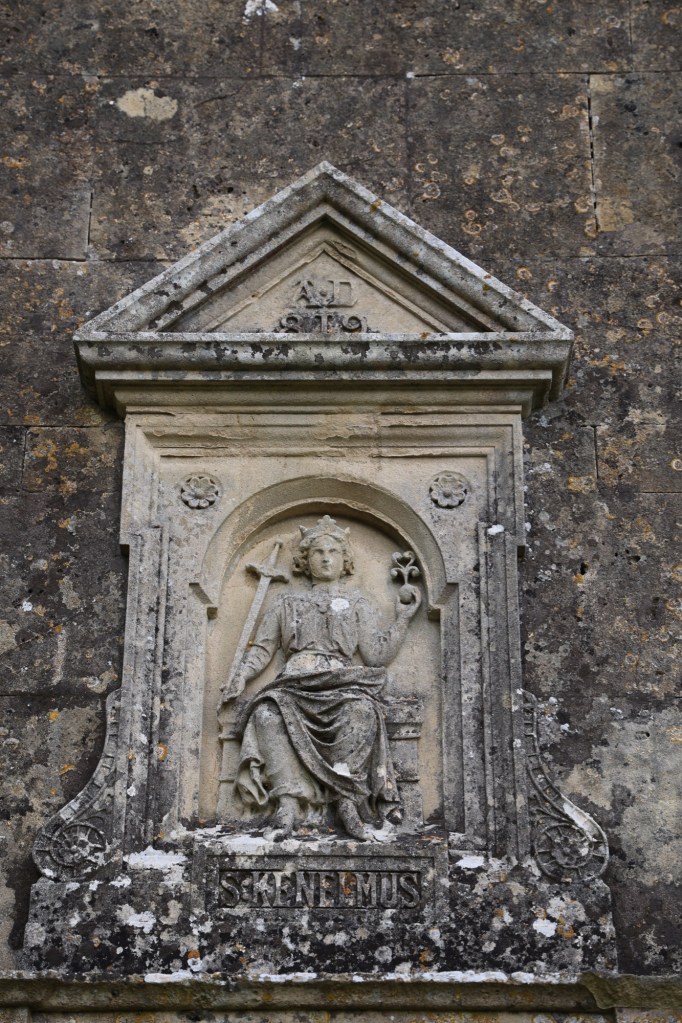
Saint Kenelm’s well dates from 819 AD and marks the spot where the body of Kenelm was initially buried.
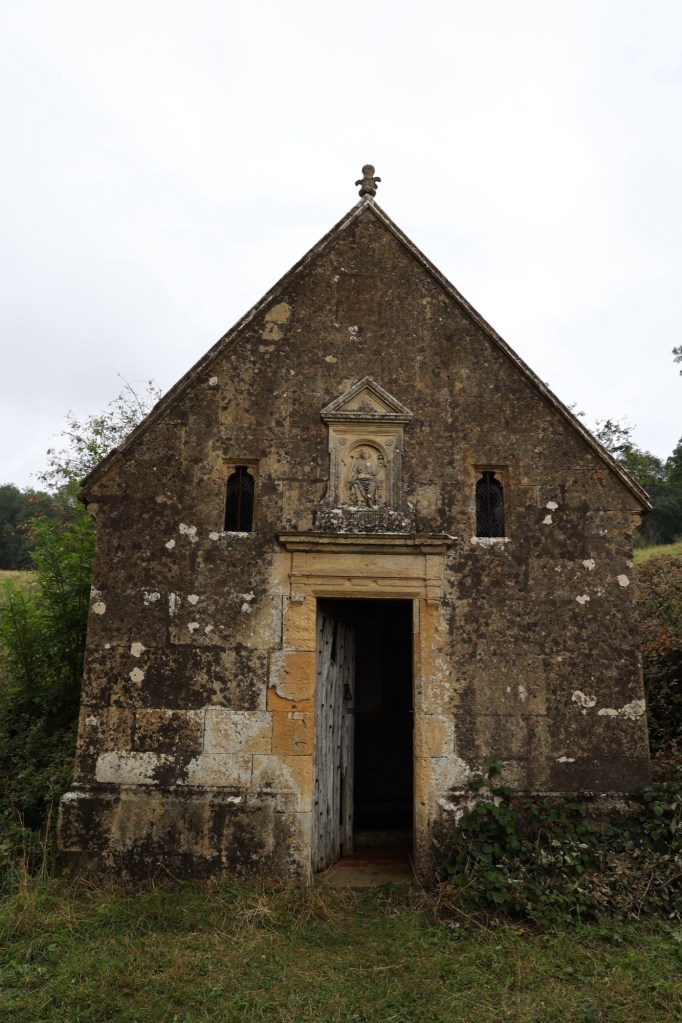
Kenelm was the son of a Mercian king named Kenwulf, the founder of Winchcombe Abbey. The king died in 819 when Kenelm was 7 years old. Kenelm was then killed by his older sister Quendryda and her lover Askobert (also Kenelm’s tutor) so she could rule as queen. But a heavenly dove brought news of the boy’s death to the Pope who charged his monks to find the body. When they lifted the boy out of his grave, water sprang forth and flowed into a stream. The water of this stream became known for its healing qualities and a well-head was erected at the spot. As a result, Winchcombe gained great popularity as a destination for pilgrims, and the story of Kenelm is mentioned in The Nun’s Tale in Chaucer’s Canterbury Tales.
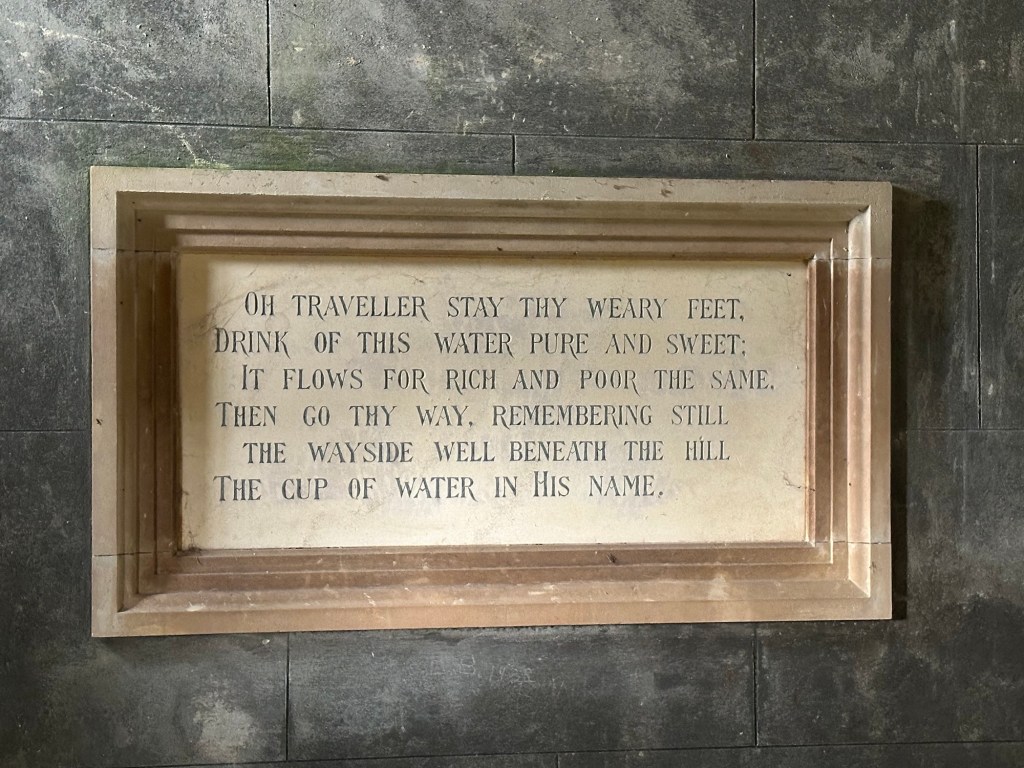
We may or may not have been trespassing across another sheep field on the way to the well. A lot of historic sites in the Cotswolds are technically on private property.
One of the perks of staying on the grounds of Sudeley Castle is free admission to the castle and gardens, which we took advantage of this afternoon.
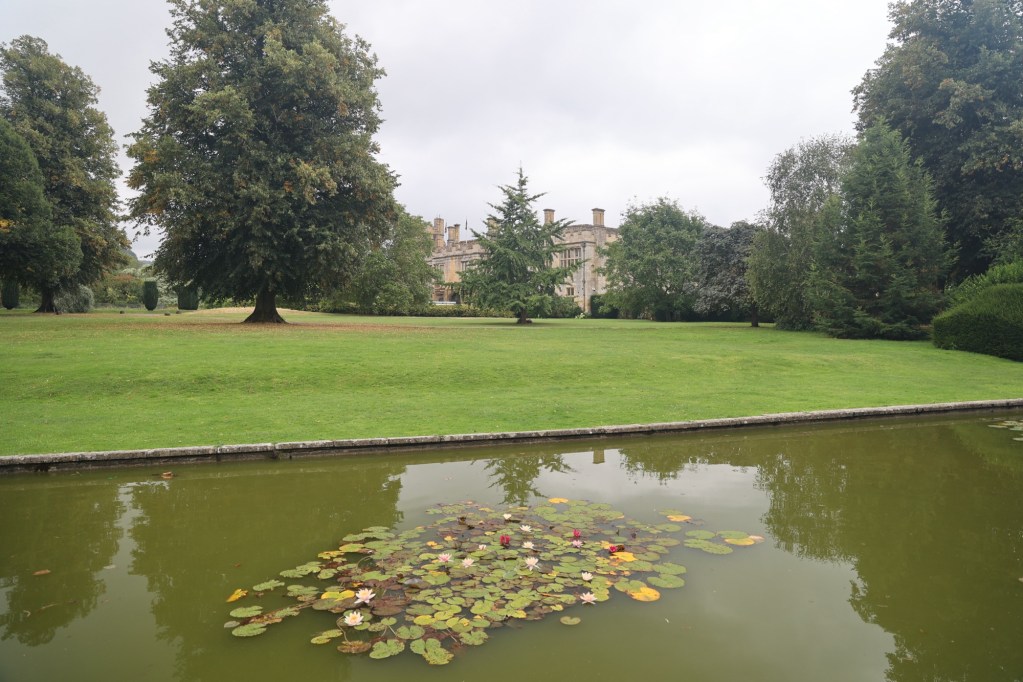
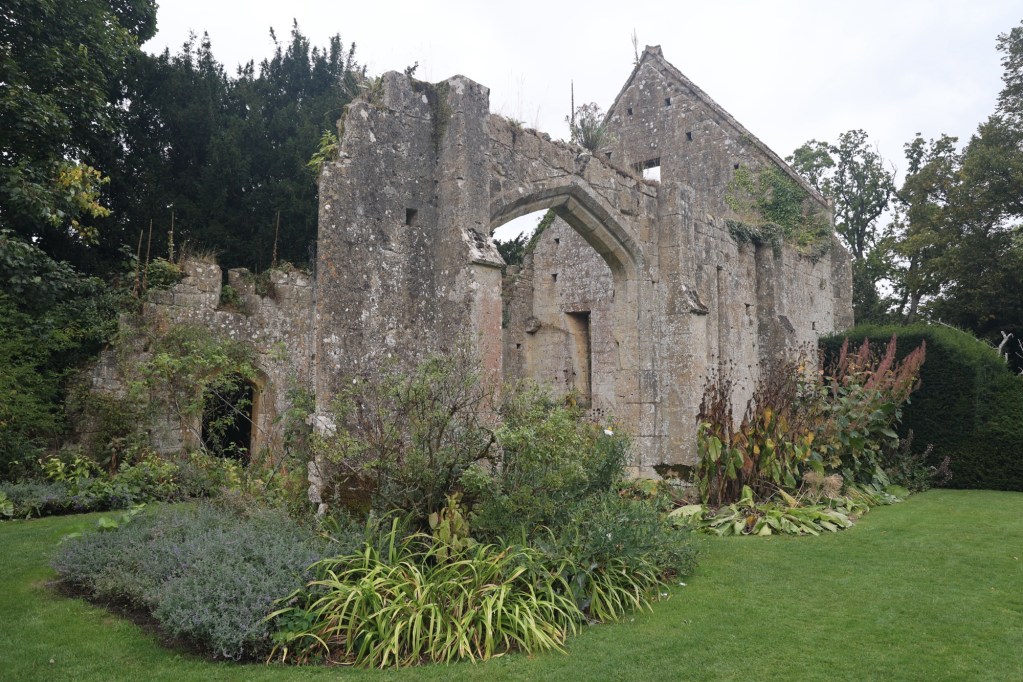
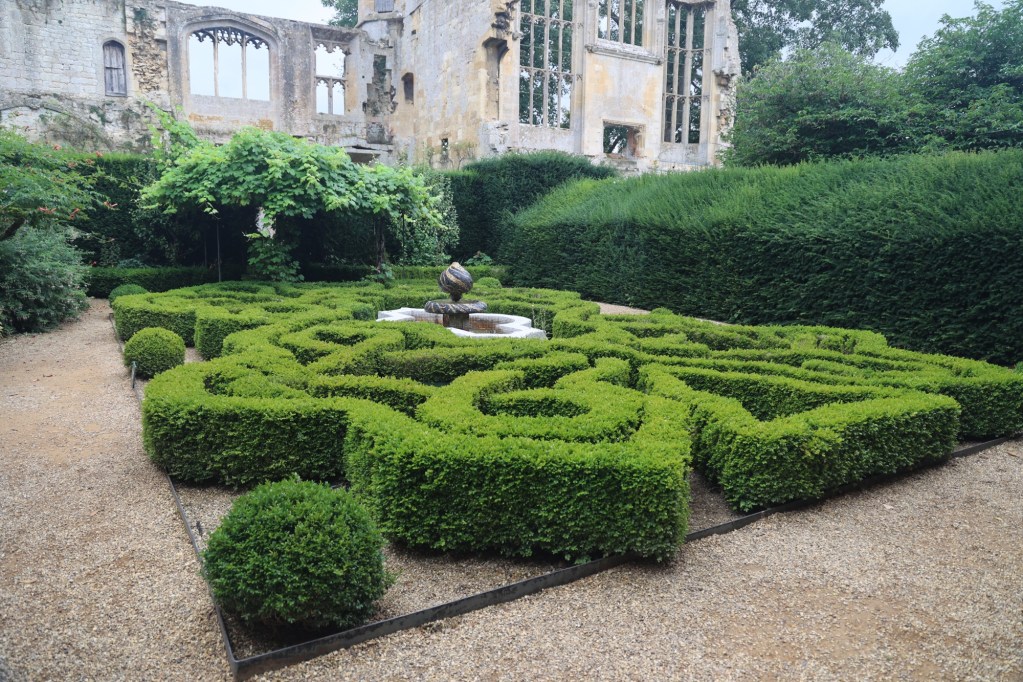
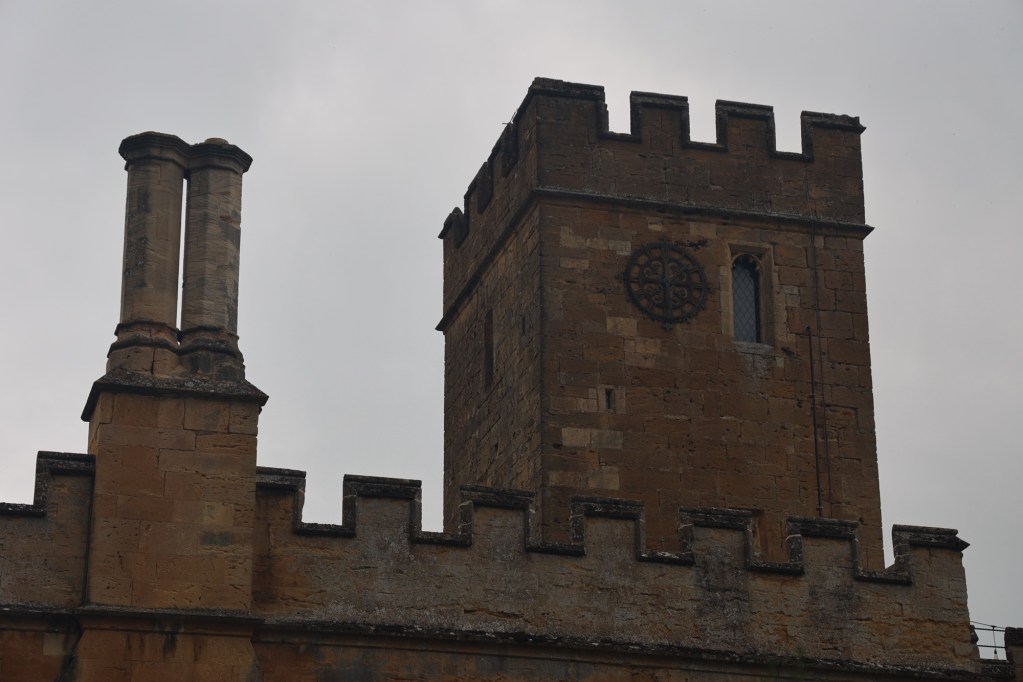
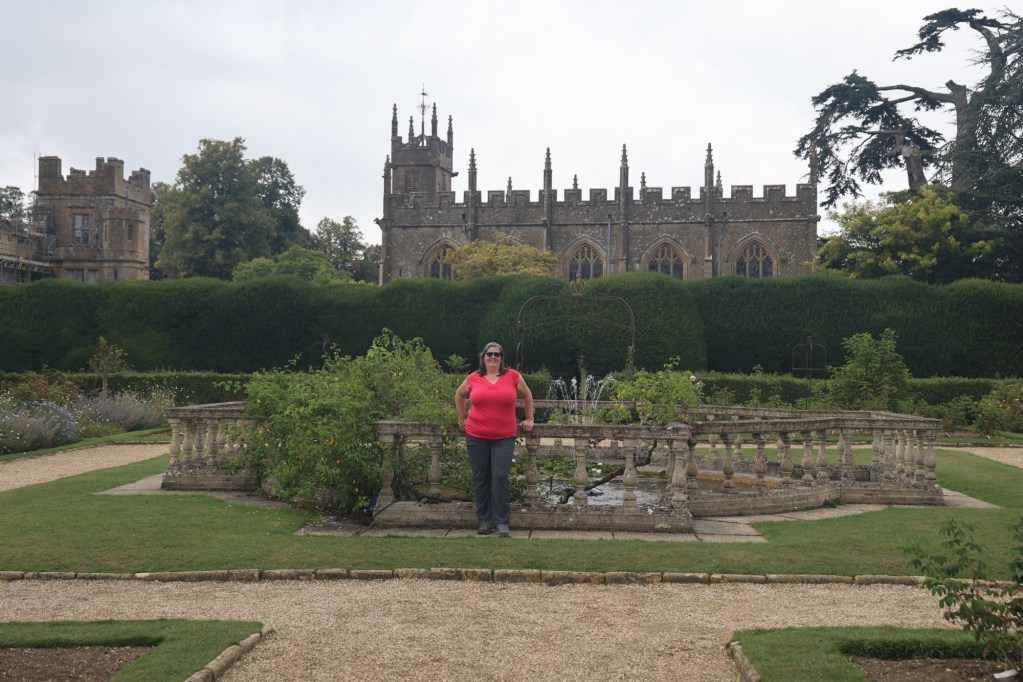
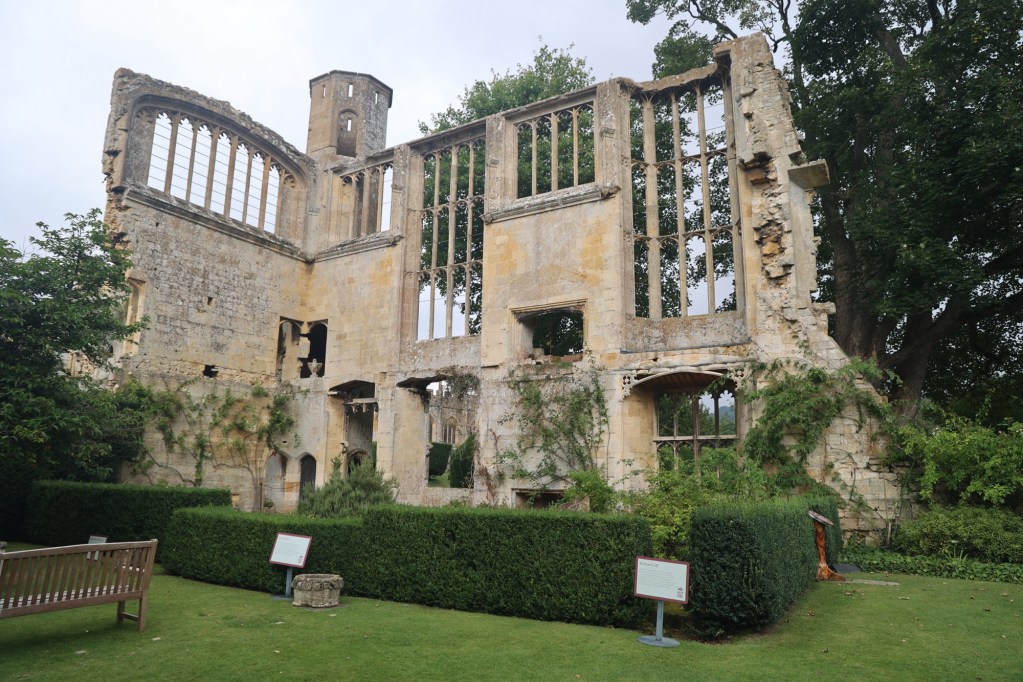
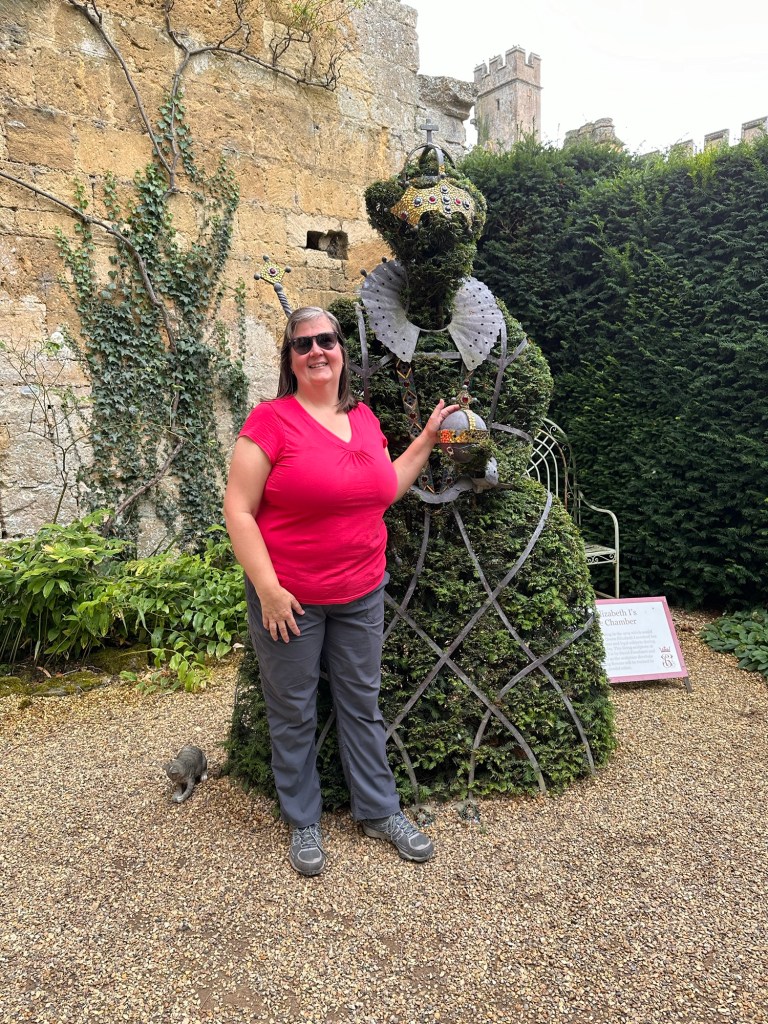
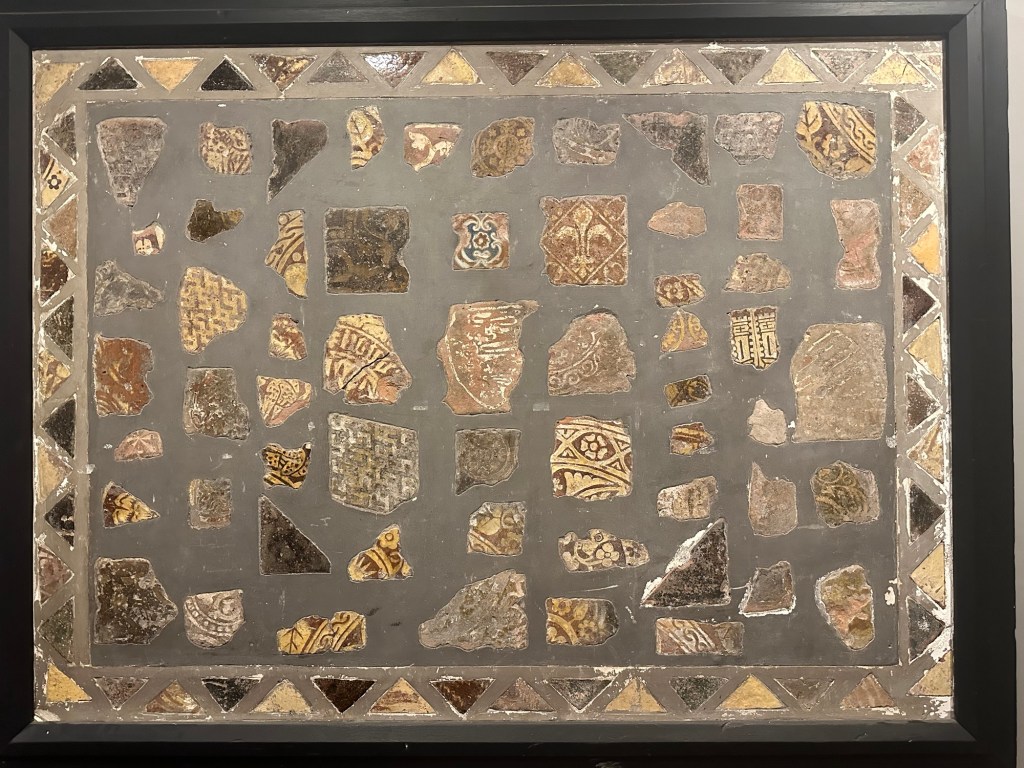
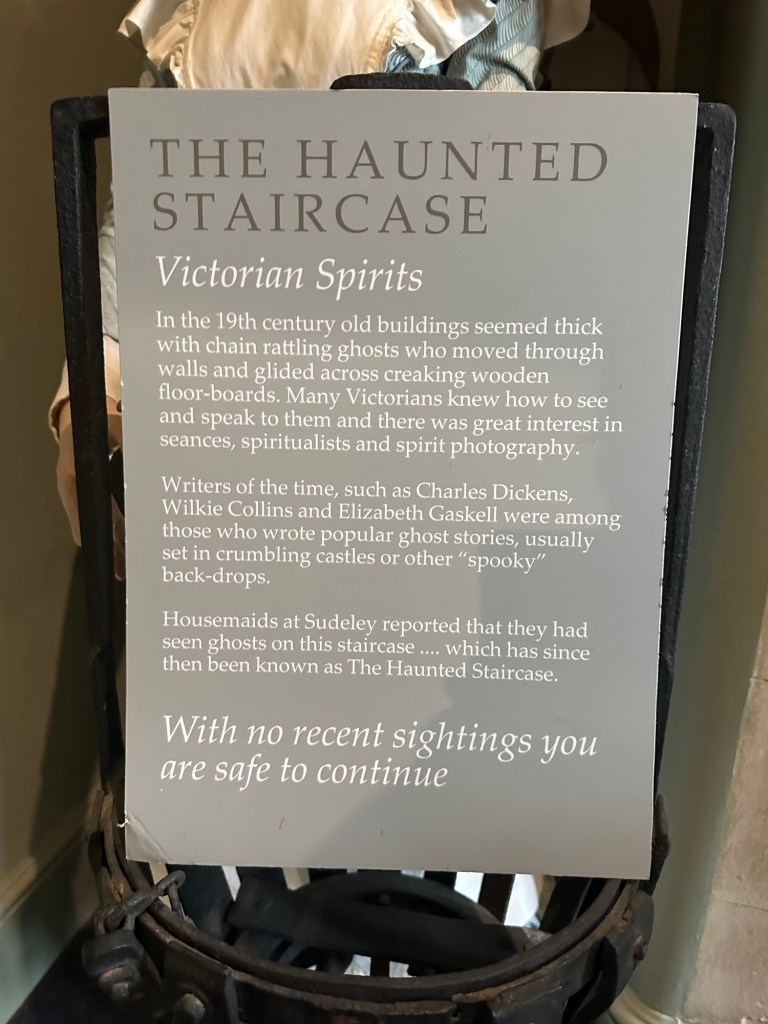
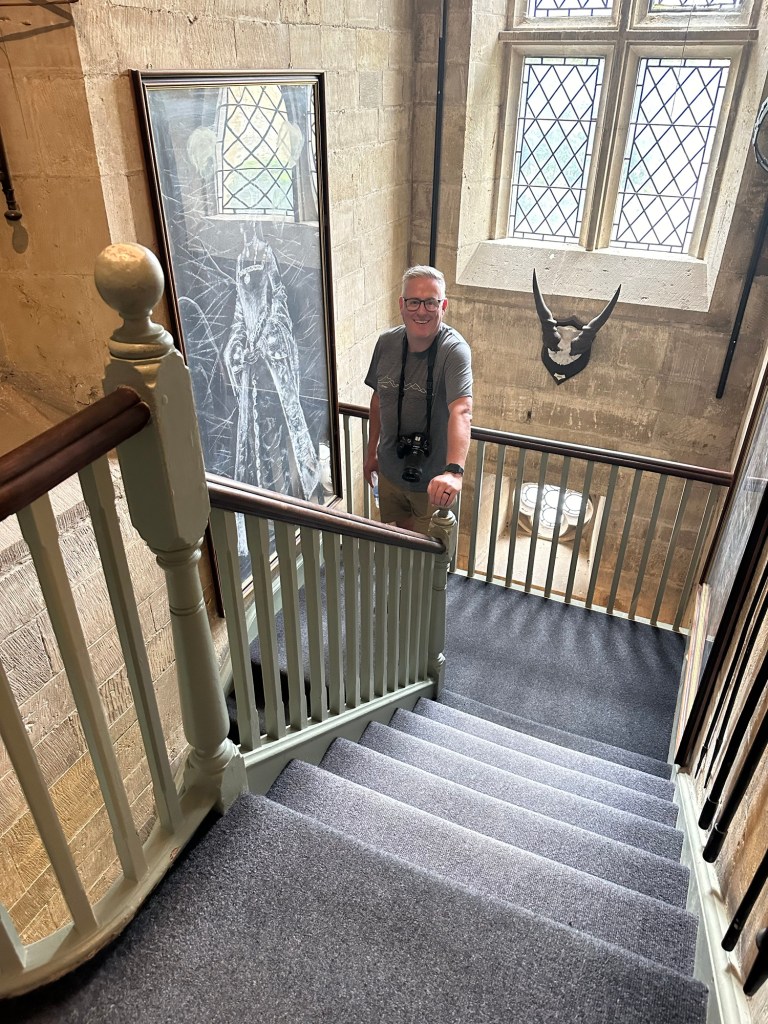
We toured through three floors of exhibits where we were educated about the last 1000 years of history of this beautiful place.

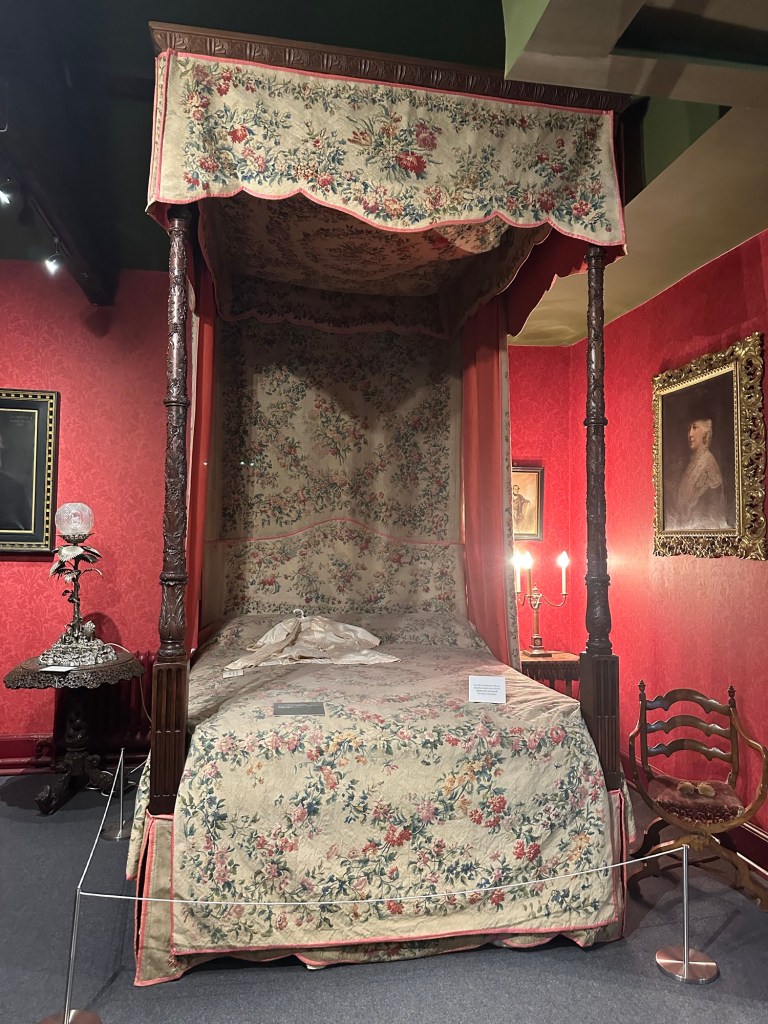
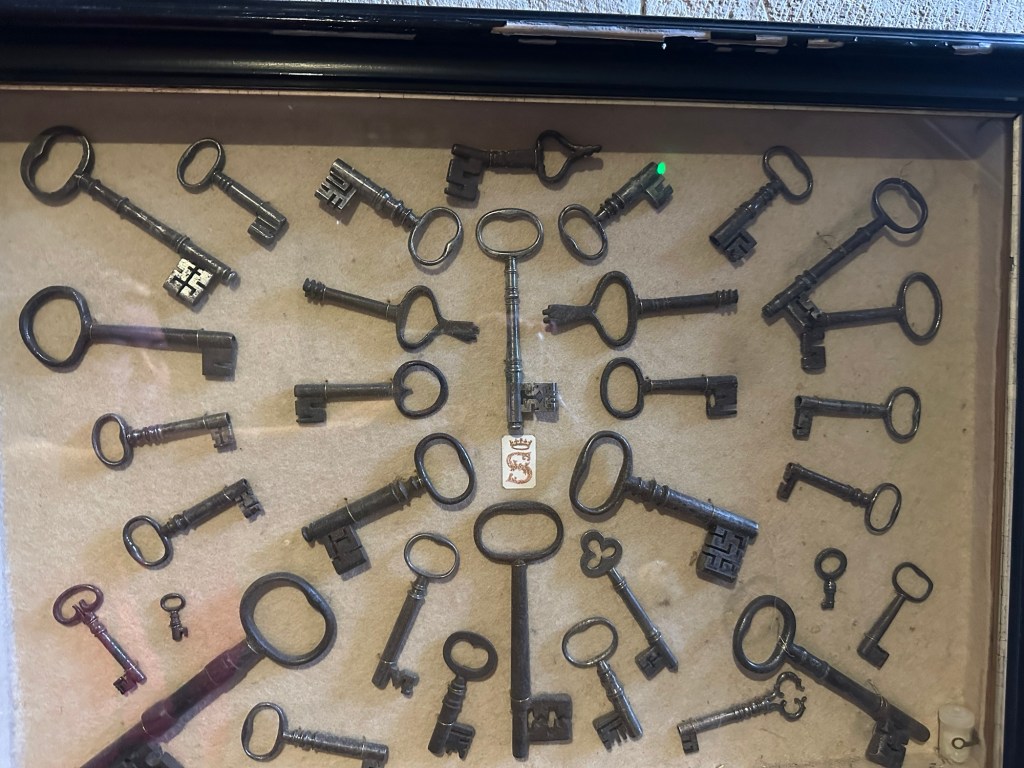
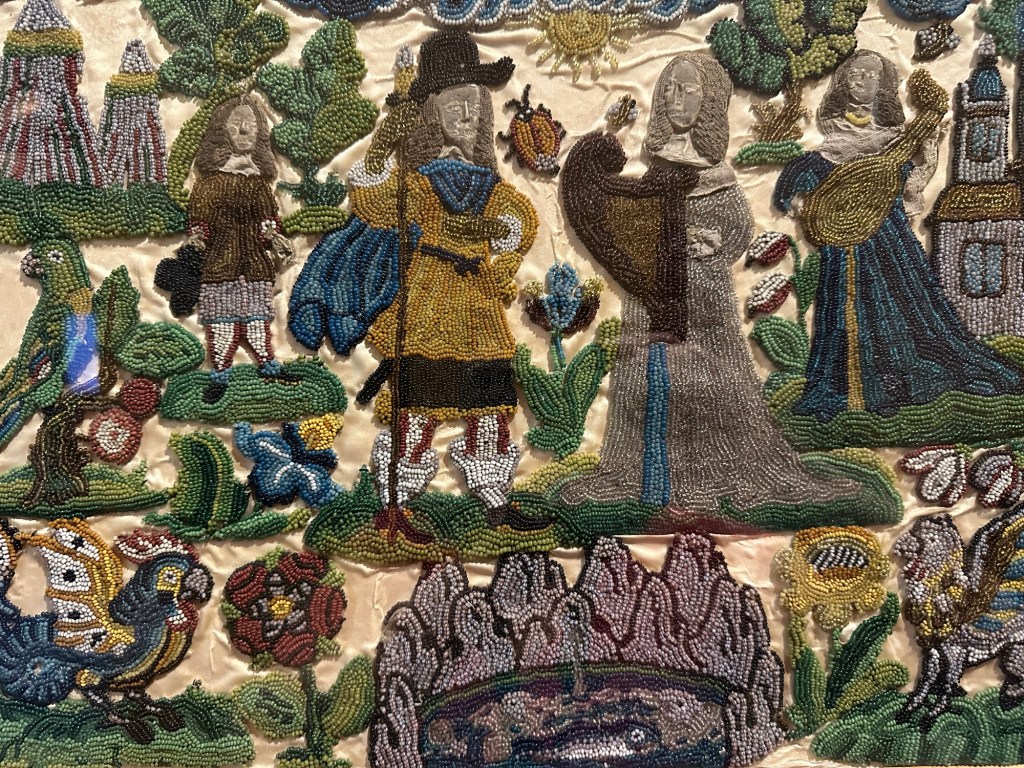
The castle is currently the home of Elizabeth, Lady Ashcombe and her family.
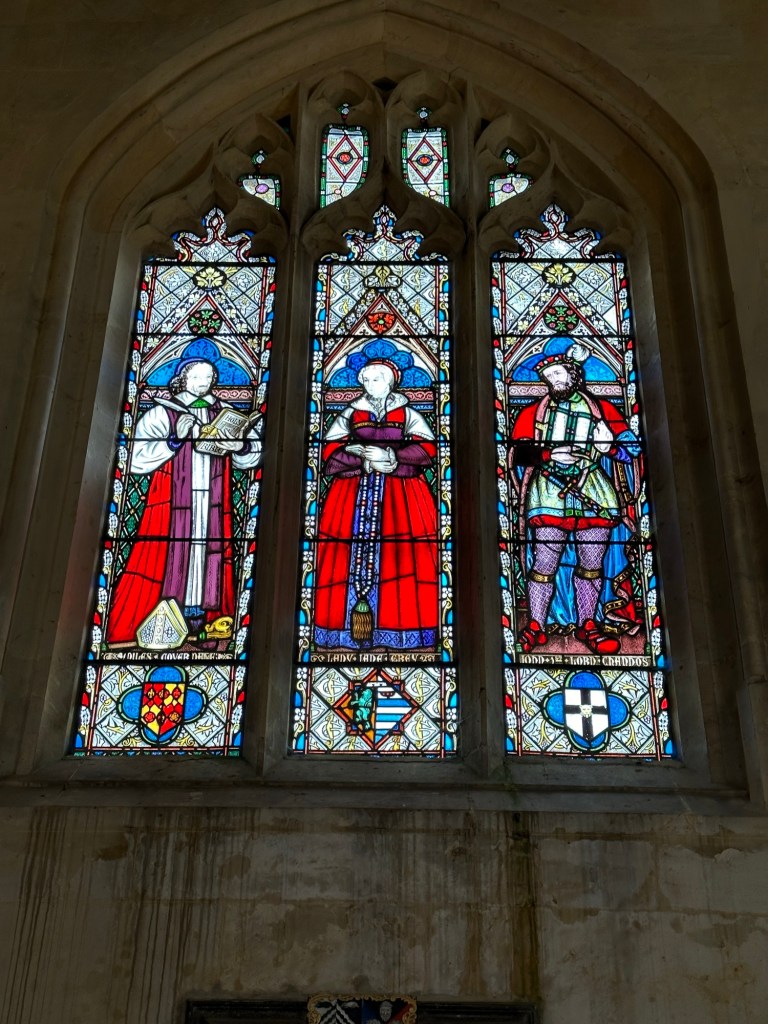
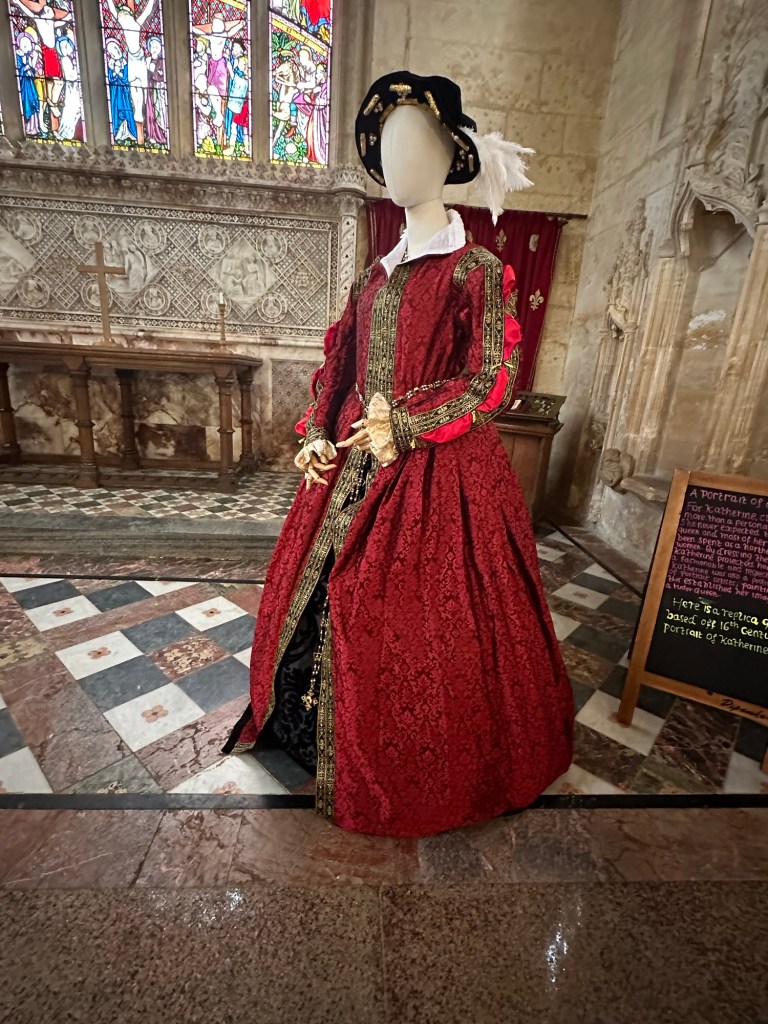
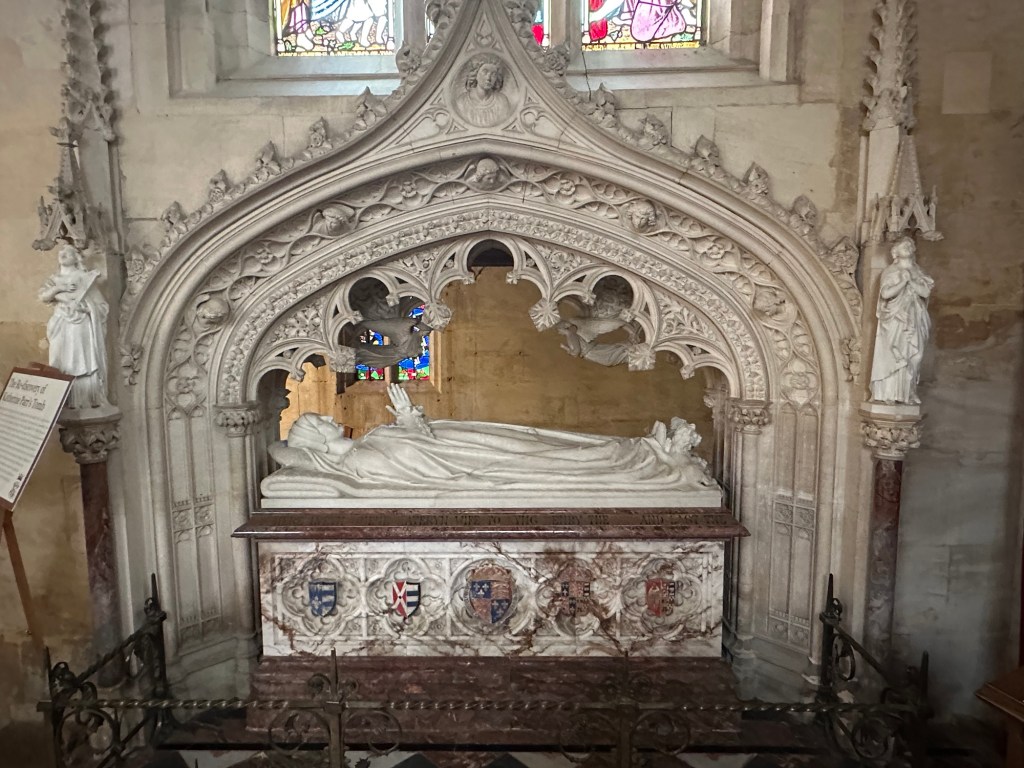
Katherine (Kateryn) Parr, Henry VIII’s last wife is buried in the Chapel of St Mary in the castle gardens.
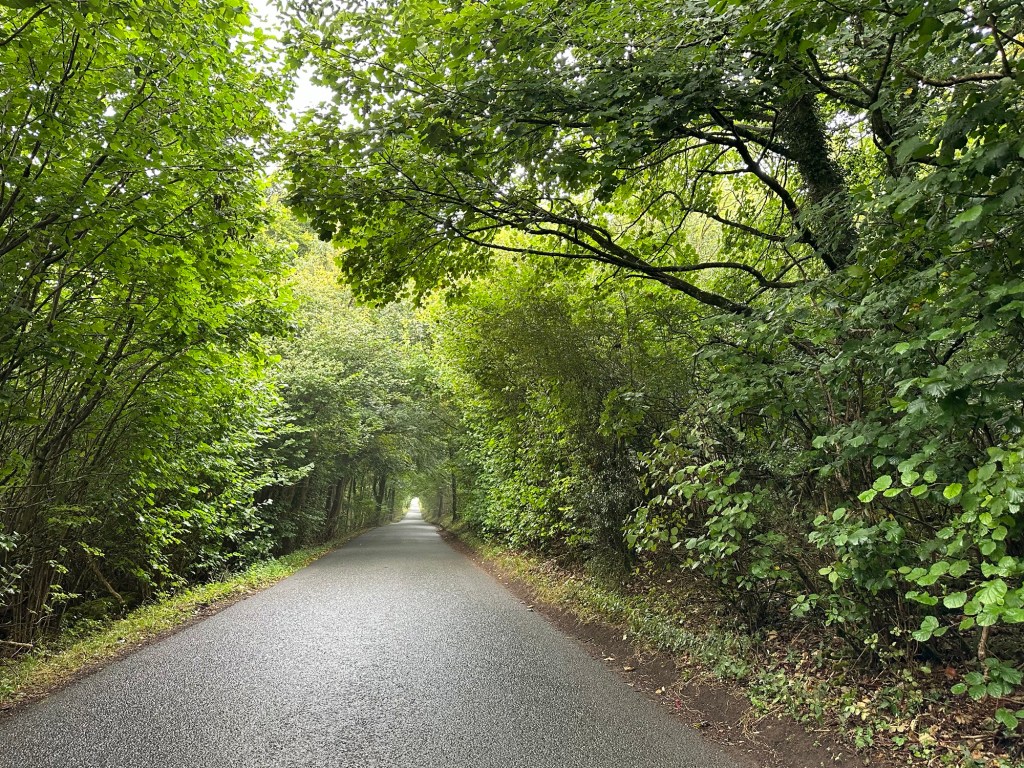
The GPS directions in this area are often quite amusing – this is where it directed us this morning!


Tomorrow we continue to check out small towns and villages nearby.


Leave a Reply