

Our driver for the morning, Vinod, picked us up from Mount Kinabalu and we took off for the Deramakot Forest Reserve to start our many days of wildlife safari. Three hours of curvy and bumpy pavement highway brought us to Telupid for lunch.
Dave keeps asking for spicy food, and their chilis are spicy but apparently he keeps getting downgraded to White Guy Spicy, not Local. Or maybe their food just isn’t super spicy?
We met new driver, Alfred and Mike Gordon, our guide, an ex-pat from Scotland who has been here for over ten years. Ray has joined us, but it sounds like he will be doing some training with the local spotters.
In the early afternoon, we hopped into Alfred’s pickup for an even rougher 3 hour forest road drive across some palm plantations and then into the park. About 20% of Sabah is covered in palm oil plantations.

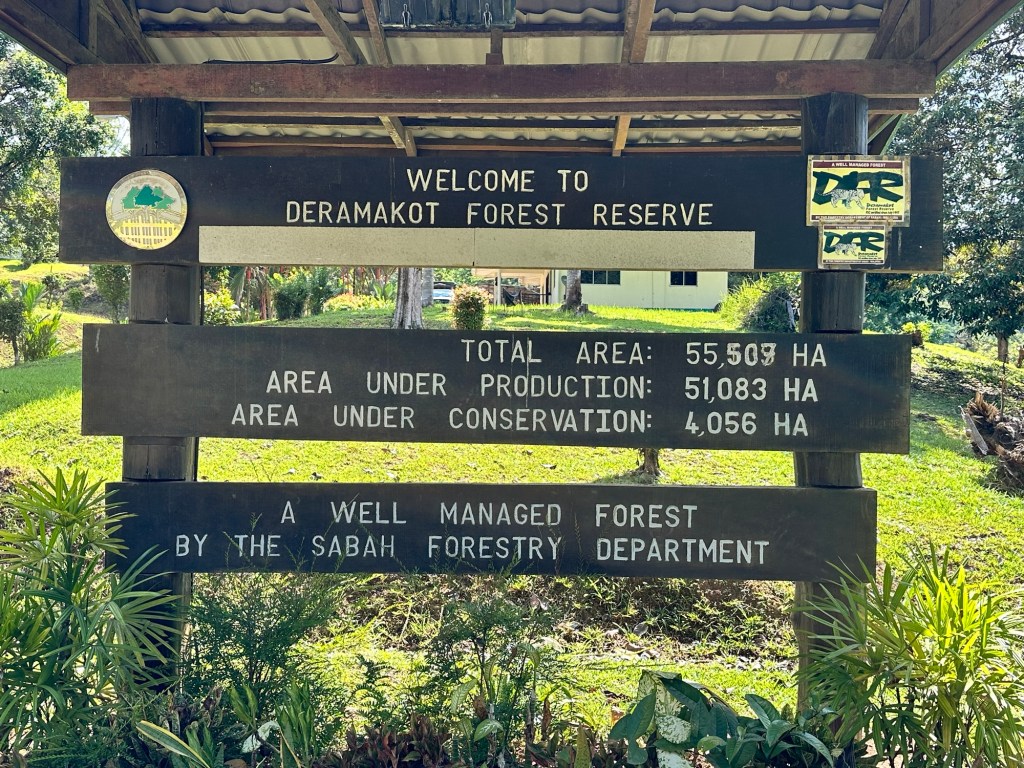
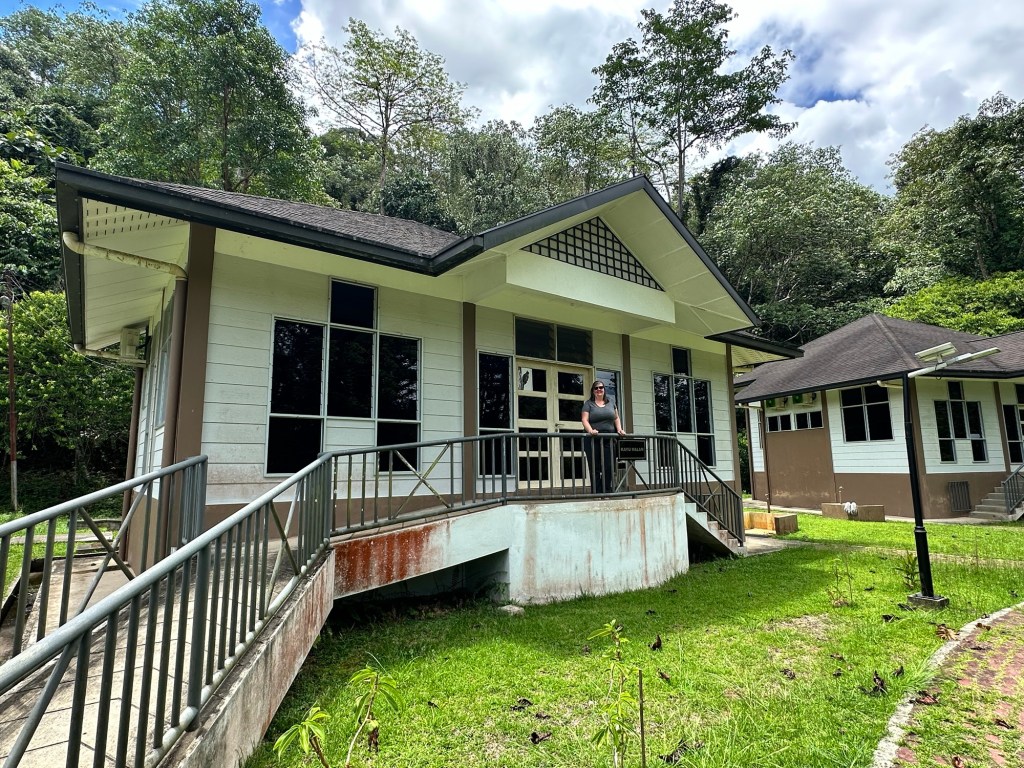
Deramakot Forest Reserve was the first place for Sabah’s sustainable logging initiatives; the reserve was set up as a work site and was not originally meant for tourists. So, our accommodation is simple and rustic. Our 3-room hostel style building has hot water and air conditioning, so nothing to complain about.
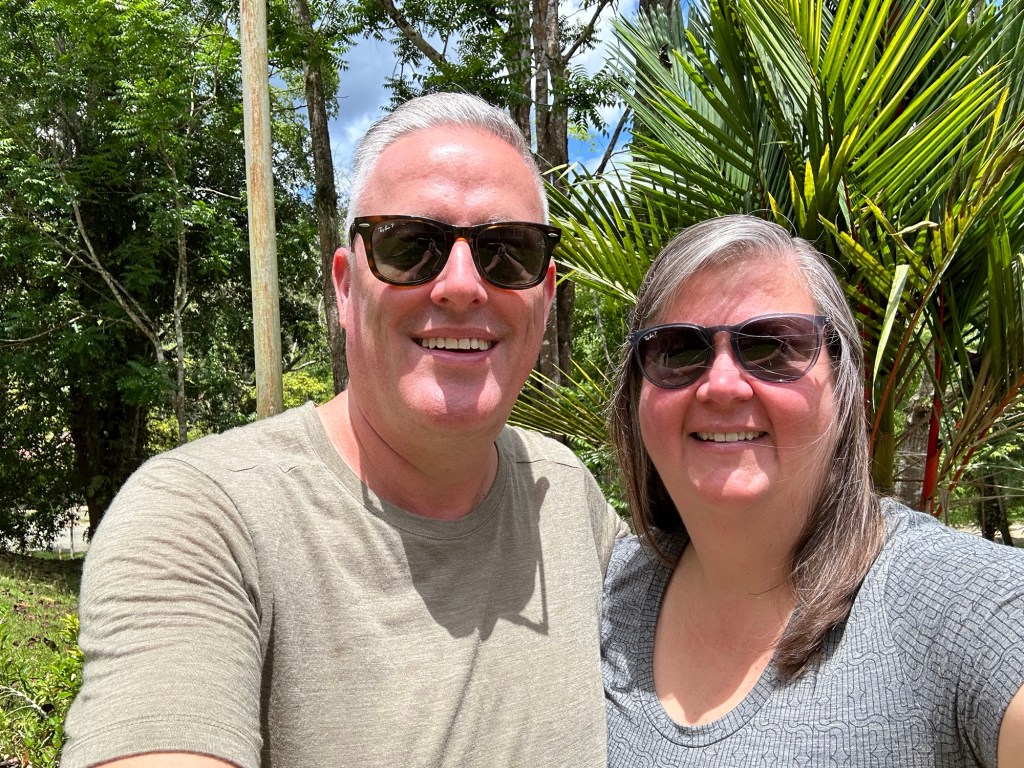
Borneo boasts some of the world’s most diverse flora and fauna, however the Borneo “Big 5” are a bit different from the African Big 5. We encountered lion, elephant, leopard, buffalo and rhinoceros in Kenya in 2007. In Borneo, we hope to see orangutan, proboscis monkey, pygmy elephant, crocodile and rhinoceros hornbill (and hopefully a lot of other interesting animals and birds!).
Mike tells us that the concept of the Borneo “Big 5” was an advertising gimmick from one of the lodges on the Kinabatangan River, as they are the easiest species to identify there! He is more excited about the rare and endemic species in this rainforest.
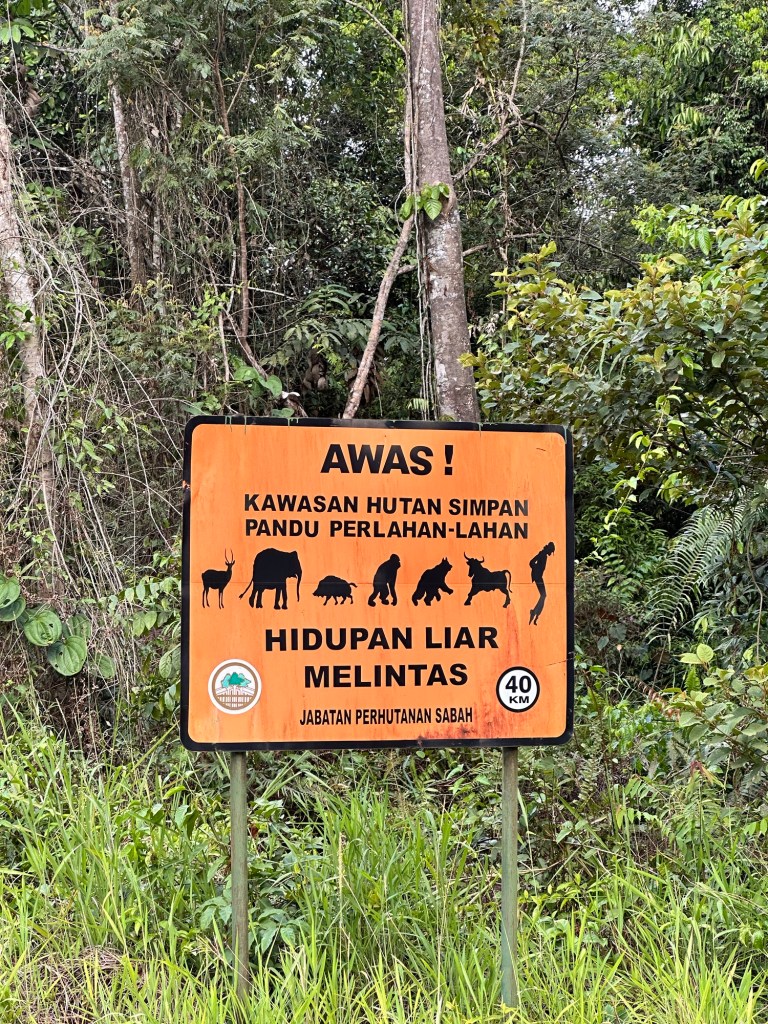
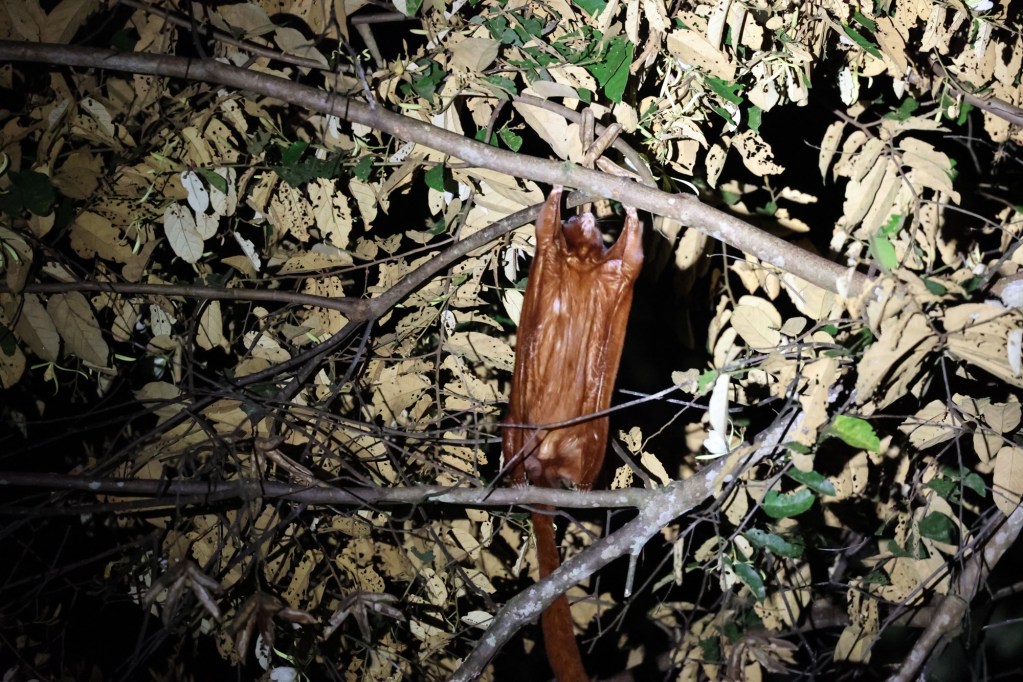
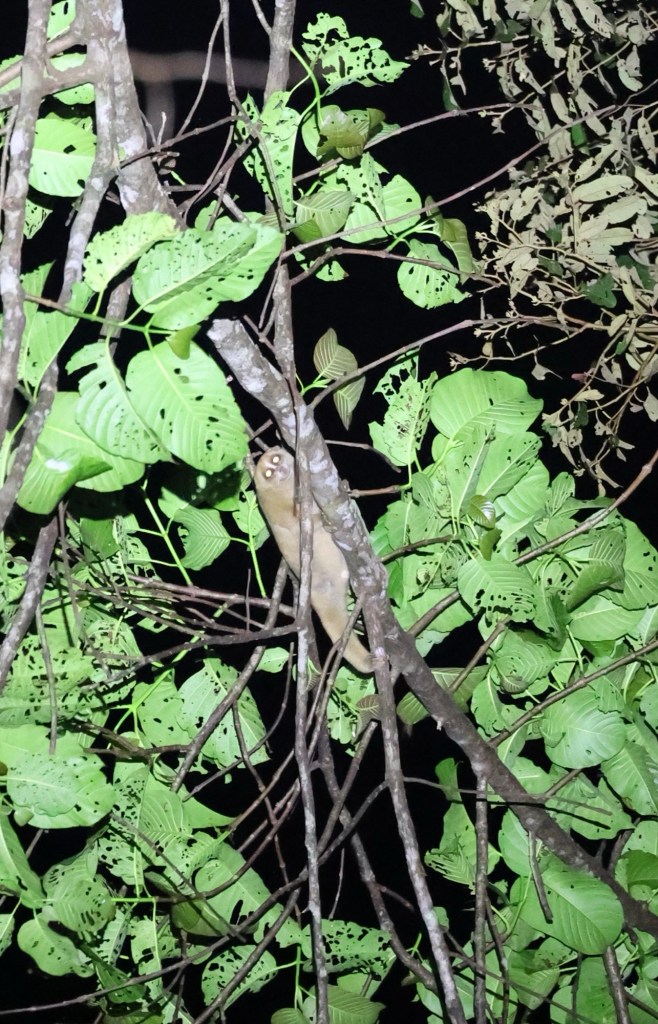
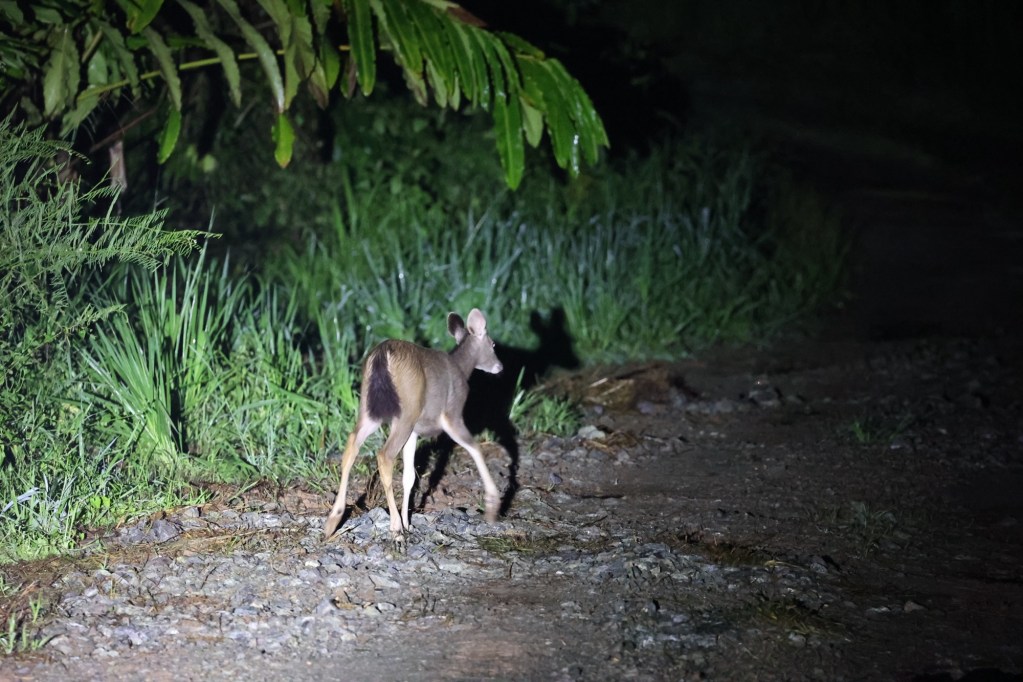
Despite only having a small number of roads in the reserve, we still saw lots of wildlife on day and night drives.
The Orangutan is called ‘the man of the forest’. They are the only Great Ape (not a monkey) in Asia. Orangutans used to be found in Java and all across mainland Asia (China, Vietnam, Cambodia, Thailand, Laos). They likely became extinct in Java in the 17th C. Now they are only found in Borneo and Sumatra. Orangutans are considered critically endangered at 60,500 (wild) in the world (54,000 in Borneo) approx. 11,000 in Sabah & 1600 in Sarawak.
In Borneo, they have developed into their own separate species – pongo pygmaeus.
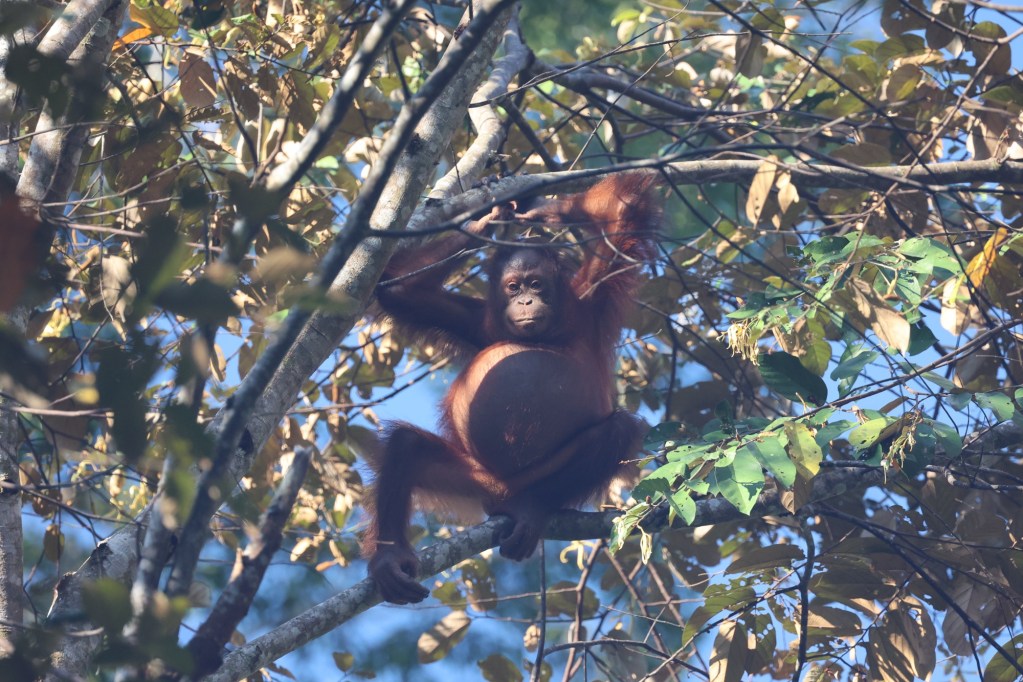
An orangutan can live for 35-45 years in the wild. They eat mostly fruit, but when none is available they will also eat leaves and bark as well as ants and termites.
They are likely the smartest primates; they can learn sign language & use tools. When it rains, they will use large tree leaves to make rain hats or ‘umbrellas’.
The majority of species in the reserve are nocturnal, so we are doing four night drives during our stay. The several hours spent on the night drives can be tedious, with a lot of time in the dark between sightings.
Melisandre, the red witch from Game of Thrones, warned “the night is dark and full of terrors”. I think we have discovered that “the night is loud and full of bugs”! Various cicadas, wasps, moths and giant bees are all attracted to Mike’s powerful flashlights and fly into us all night as the cicadas and frogs sing.
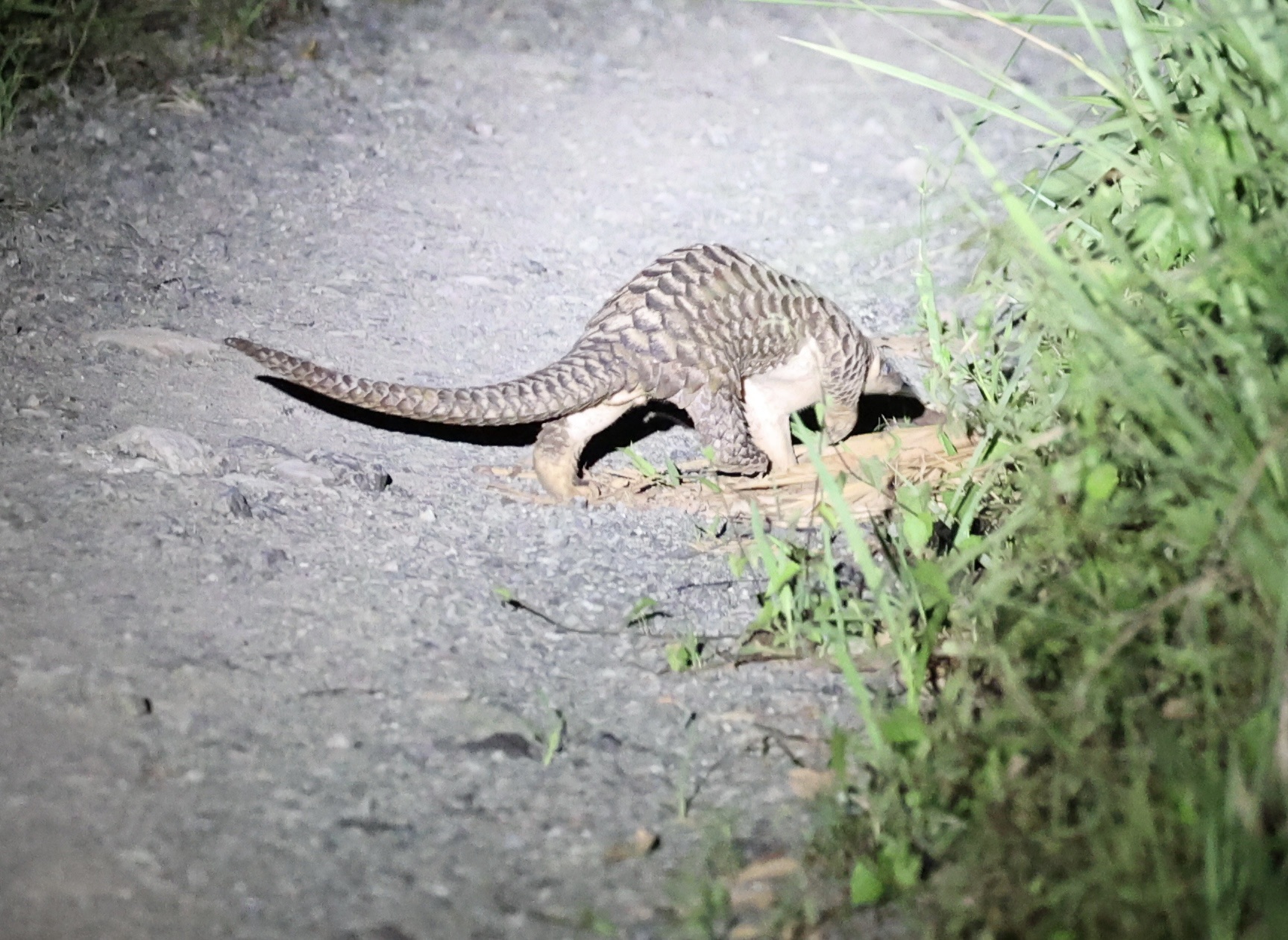
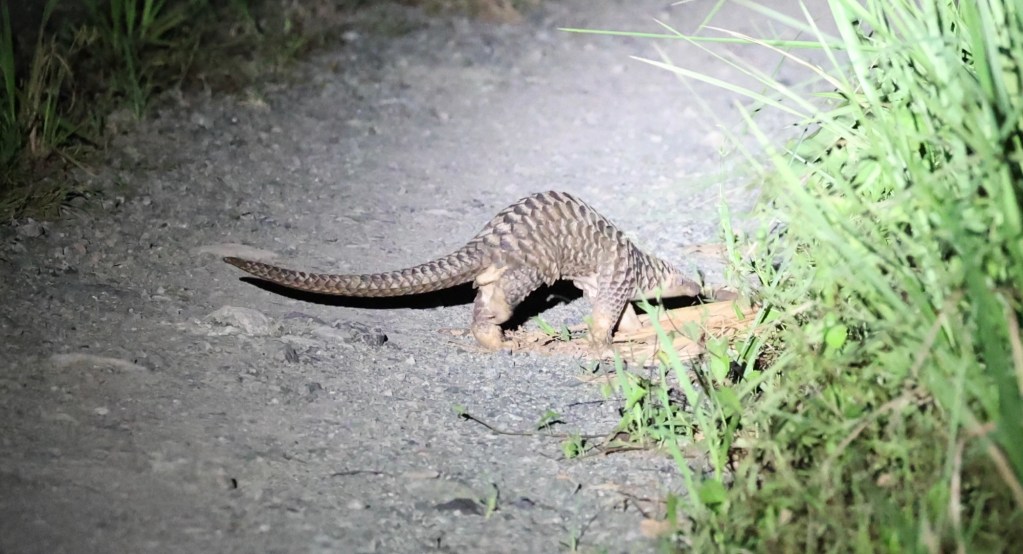
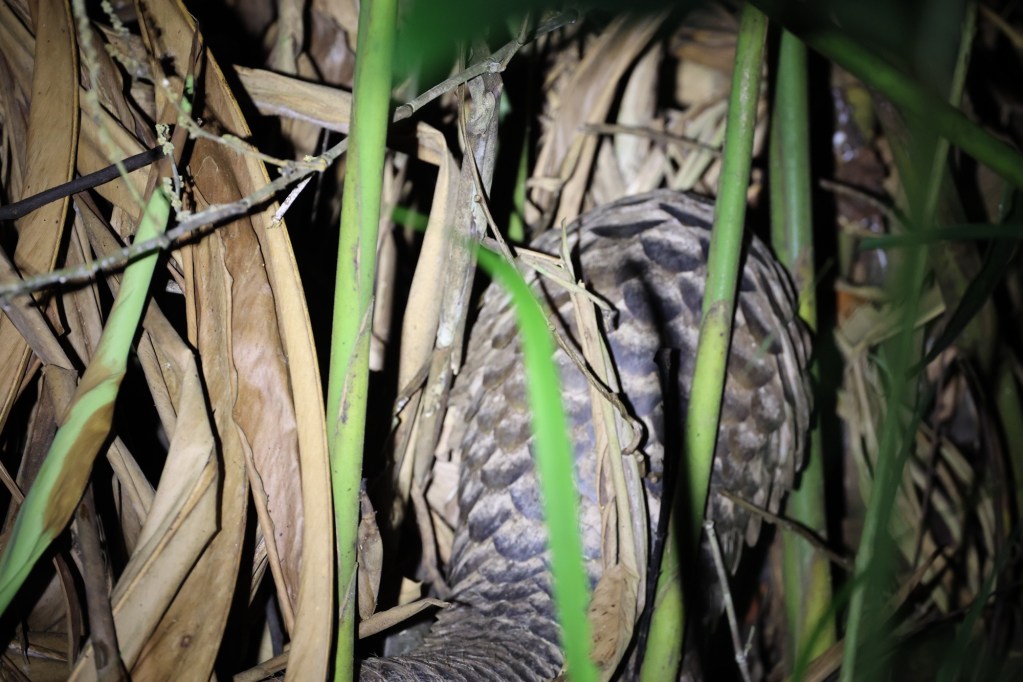
The Sunda pangolin, also known as the Malayan or Javan pangolin, get their name from the Malay word “pëngulin” which means “roller”. They can be found throughout Southeast Asia. They prefer forested habitats (primary, secondary, and scrub forest) and plantations (rubber, palm oil). A large part of their life is spent in trees. Sunda pangolin are hunted for their meat, scales and body parts used in traditional Chinese medicines; they are now critically endangered. Alfred has only seen two pangolins in 8 years!

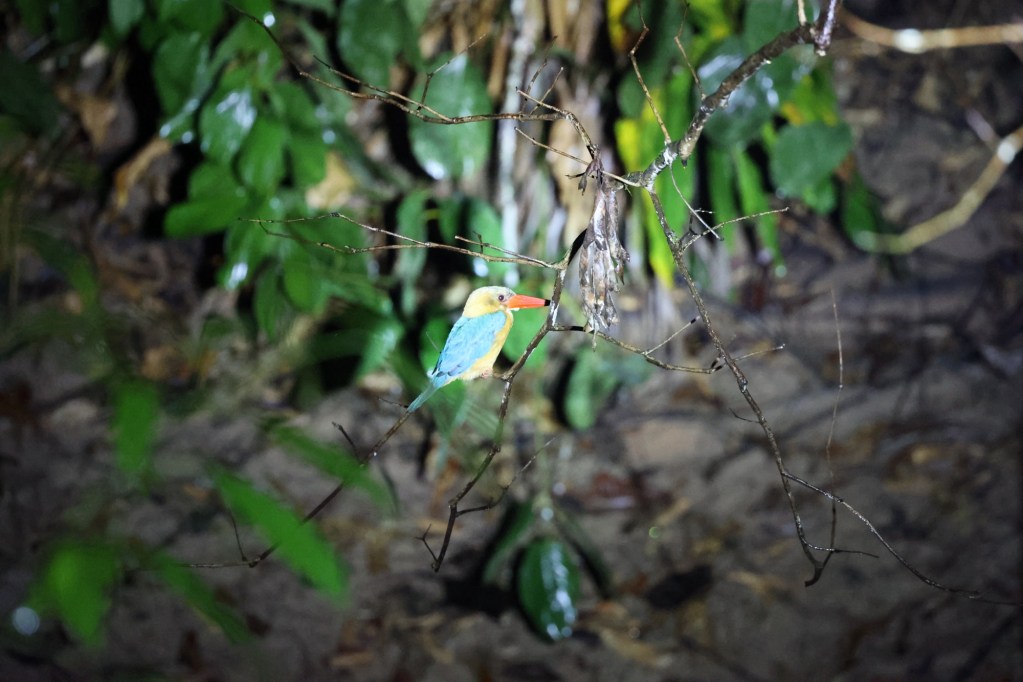

Apparently a very rare and special bird. Both guides were excited.

and loves to eat unripe figs.
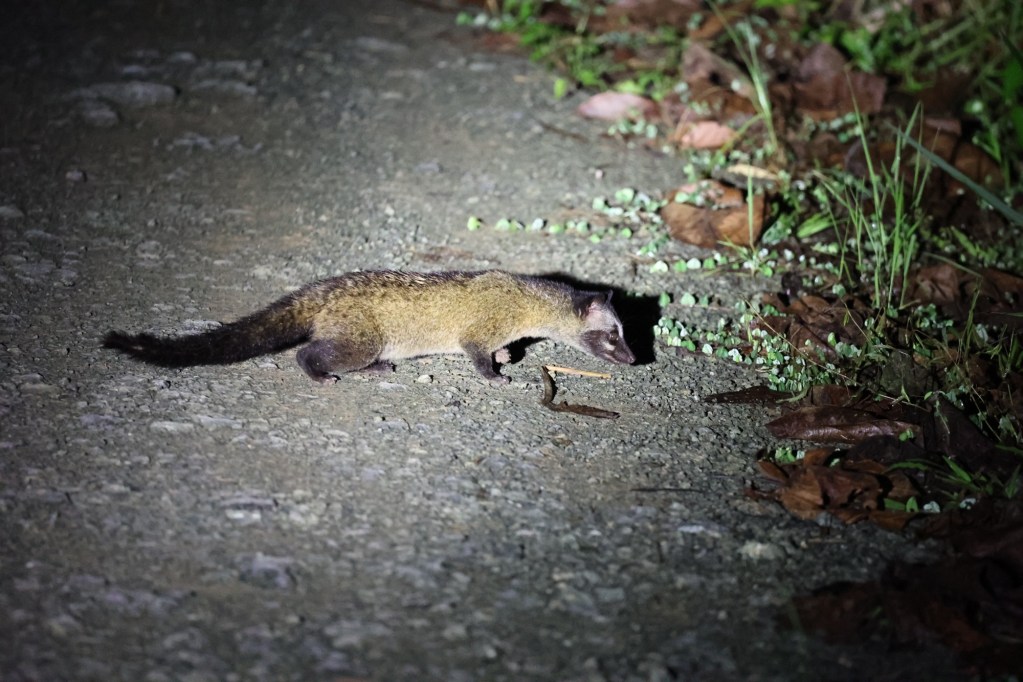
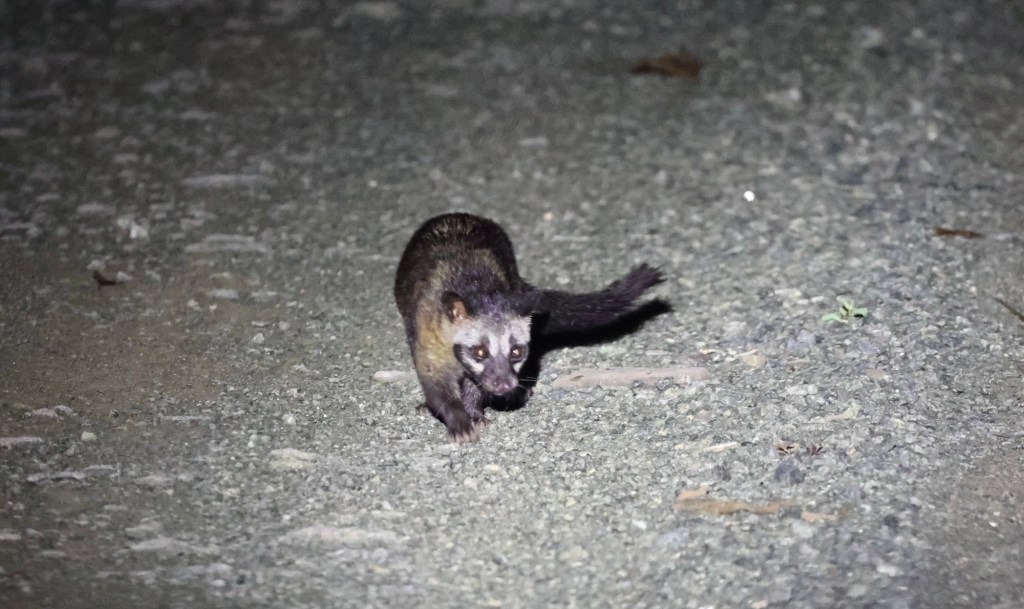

Plans for the next two days are a quiet morning out of the heat and humidity, then leave the lodge at 3:00 to see diurnal animals, then a long, slow drive back in the dark to see those who come out at night.


Leave a Reply