


Well, this was not an auspicious start! We arrived in Singapore really early this morning in a lightning storm with some pretty serious rain and wind. The flight was fine but we had to circle a bit to find a hole in the weather to land. The baggage handlers apparently don’t work in the rain so we waited almost 2 hours before they could safely unload the luggage. At least customs was a breeze with pre-filled digital arrival cards. We purchased our EZLink cards for transit and caught the Green Line MRT to our hotel.
Funny that we arrive on May 4 (Star Wars day) and this is the EZ Link card we received.

At our hotel, we were denied an early check-in due to a huge conference, so we borrowed umbrellas and dashed across the street for a light lunch.
We kept hoping the rain might settle down but it didn’t until much later in the day.
So what does one do when your hotel room isn’t ready and your walking tour of the city would be a swimming tour? Well, one goes to a bar of course.
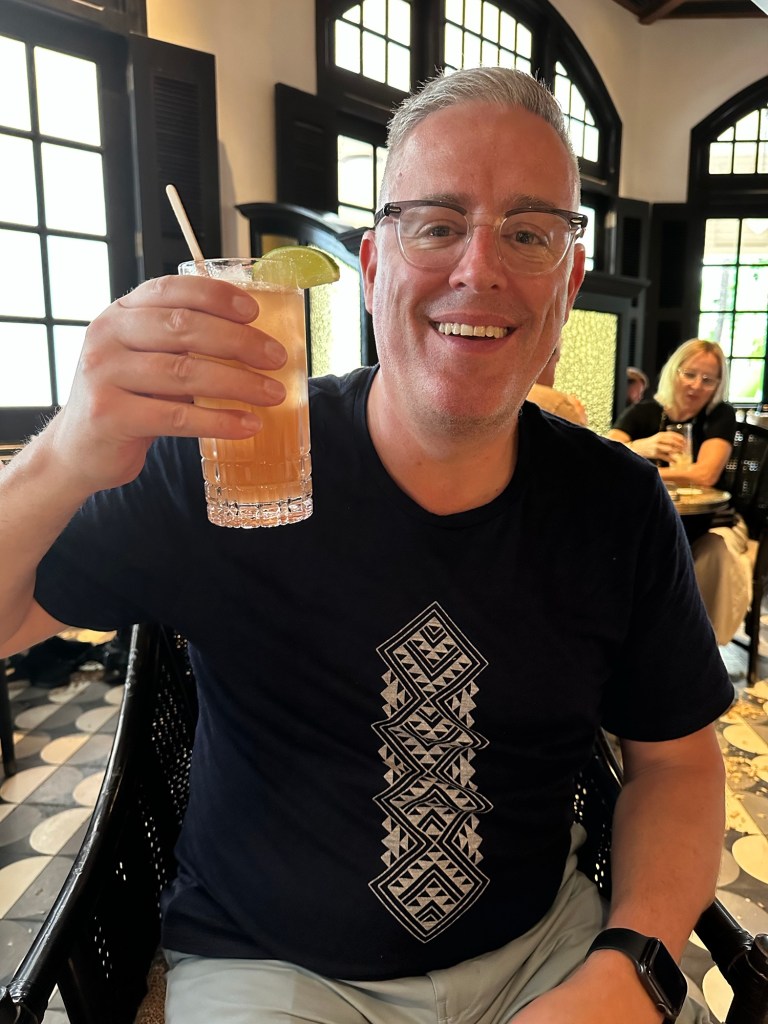
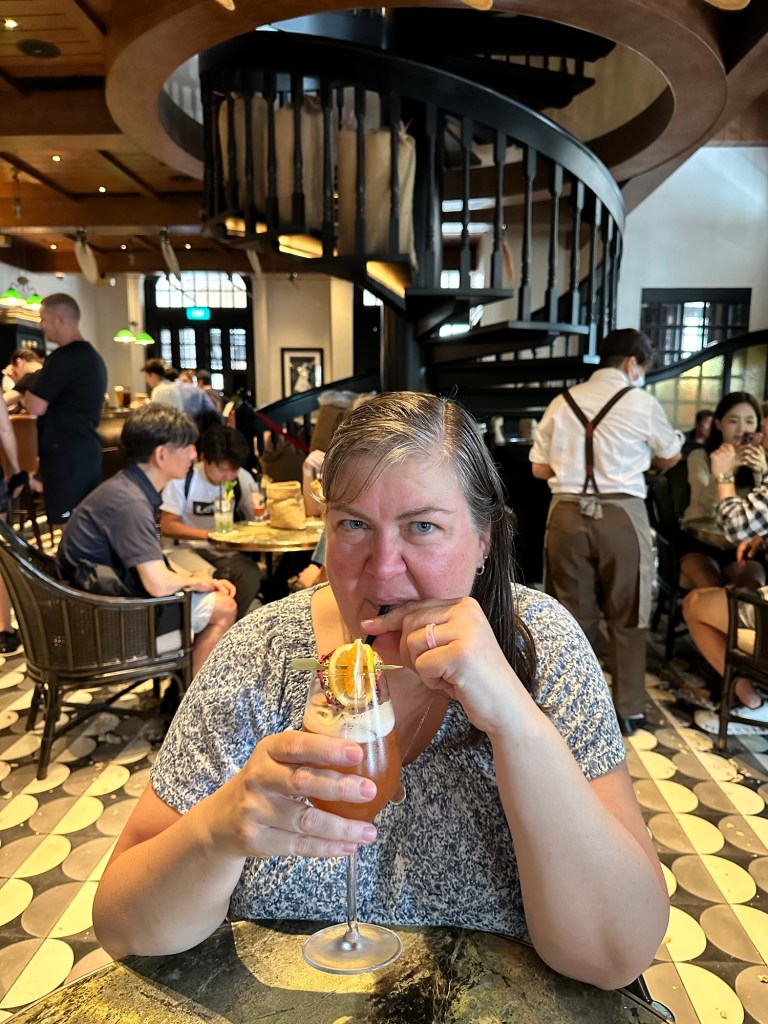
One cannot come to Singapore without drinking at least one Singapore Sling. The Long Bar at Raffles Hotel is the home of the Singapore Sling, widely regarded as the national drink of Singapore. It was also right across the street from our hotel so a mostly dry path was possible.
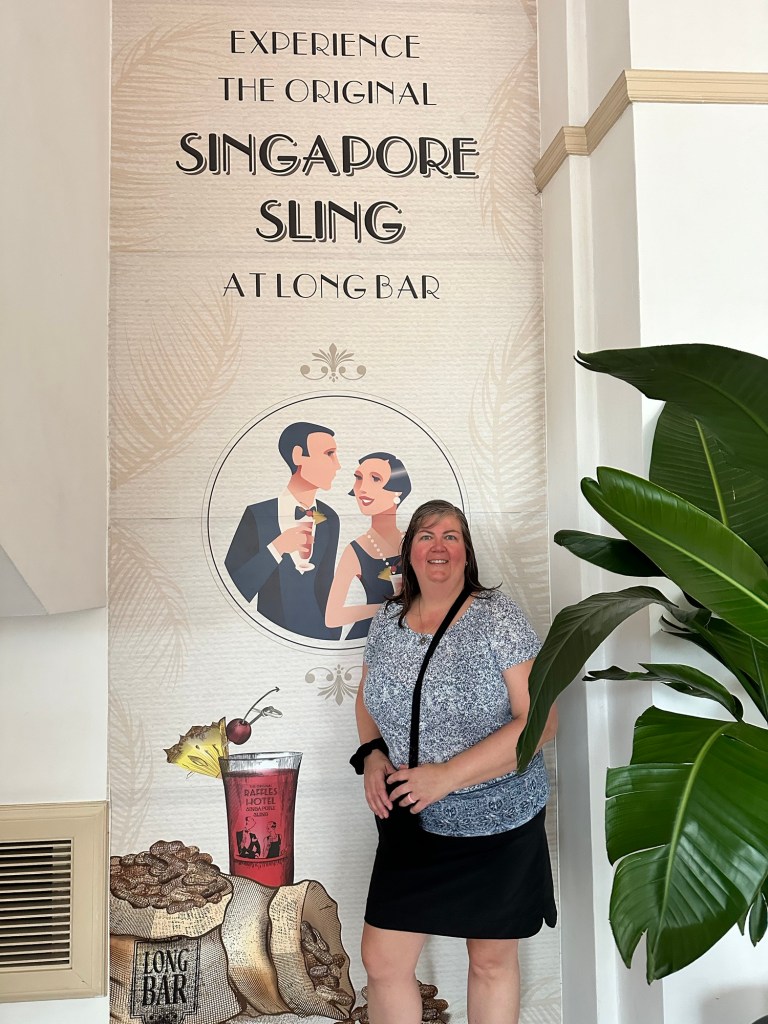
The Sing Sling was first created in 1915 by Hainanese bartender Ngiam Tong Boon for the colonial upper class. It was socially unacceptable for women to drink in public at the time, so the cocktail was purposefully created to look like fruit punch. They were very tasty and not really all that sweet.
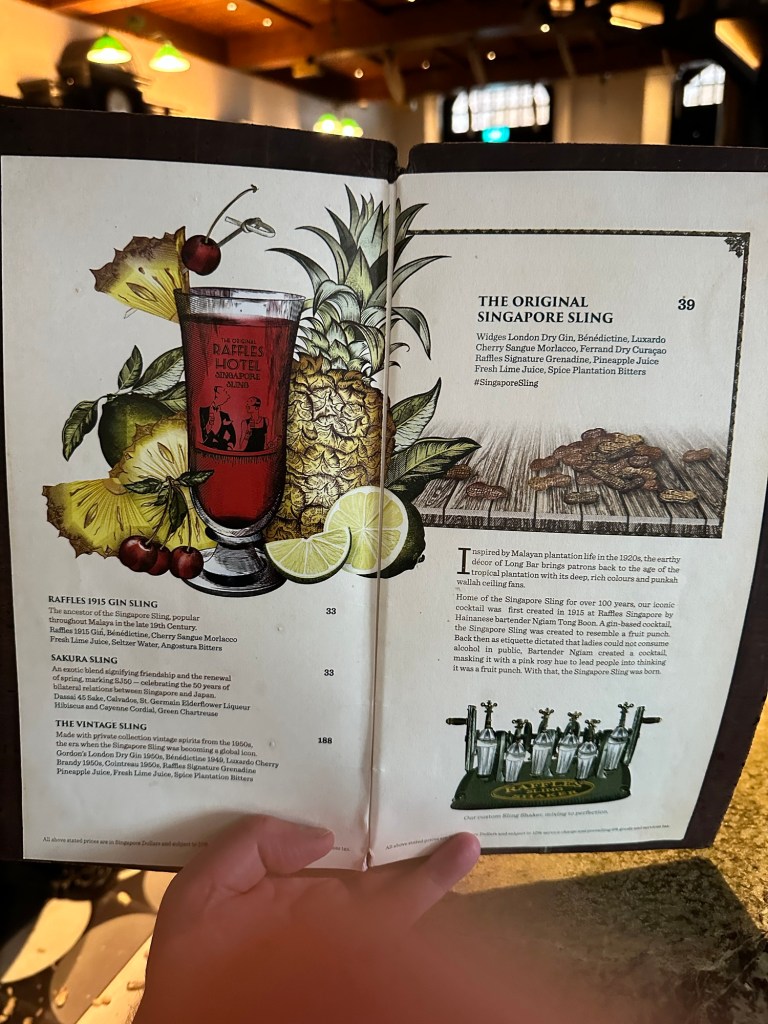


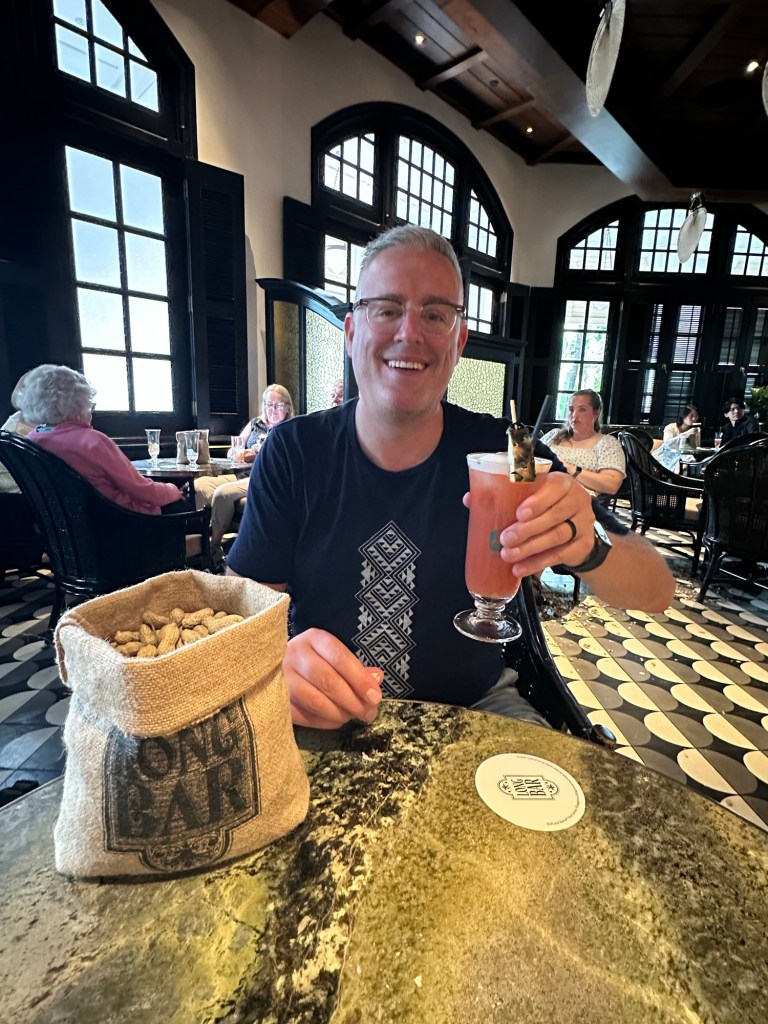
Originally nicknamed the ‘commander’s drink’ or Si Ling in Hainanese, the cocktail eventually became known as the Sling. The original recipe is gin, pineapple juice, lime juice, curacao, Benedictine with grenadine and cherry herring. The Long Bar was frequented by famous clientele such as Rudyard Kipling and Ernest Hemmingway (and now us, of course!).
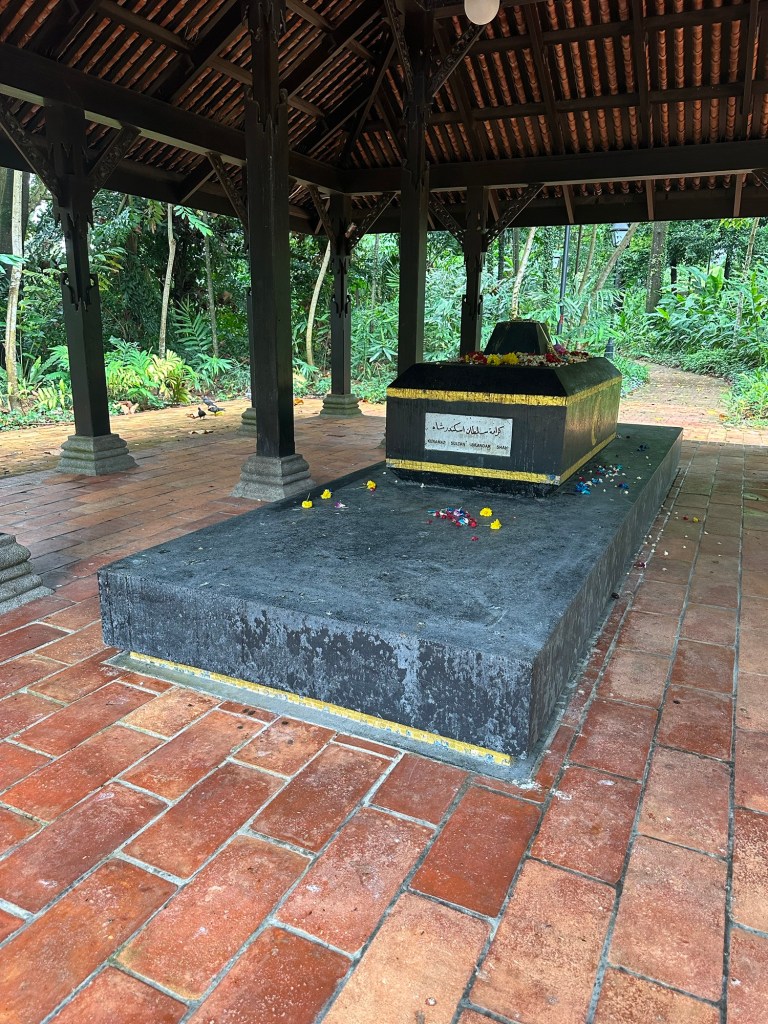
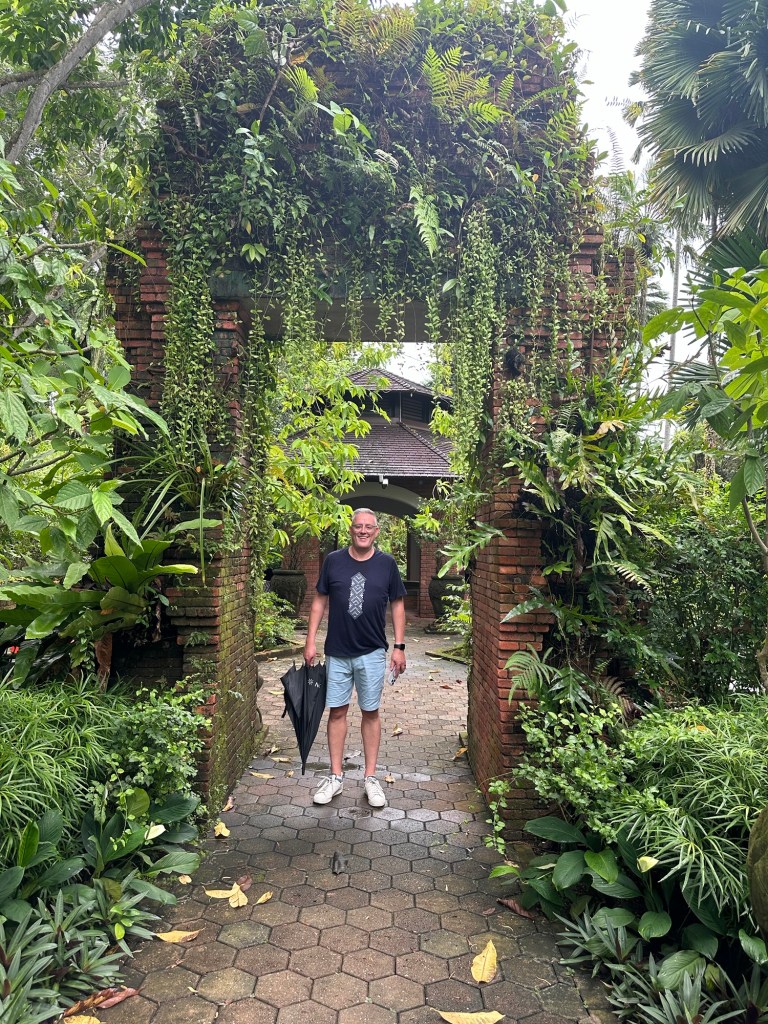
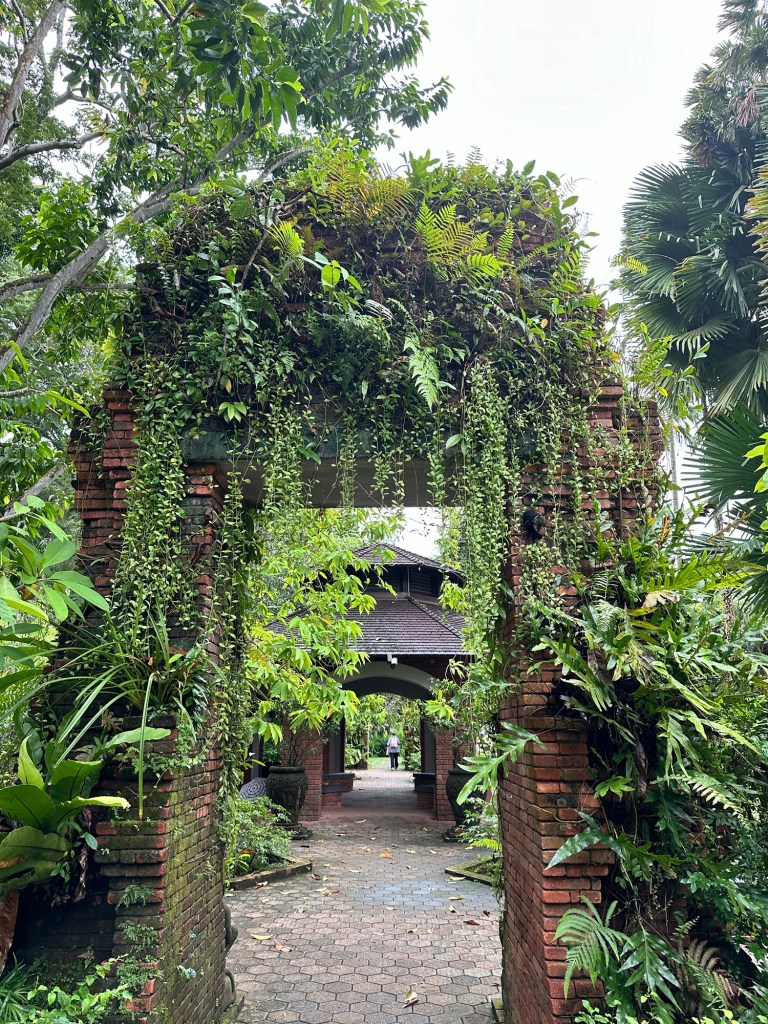
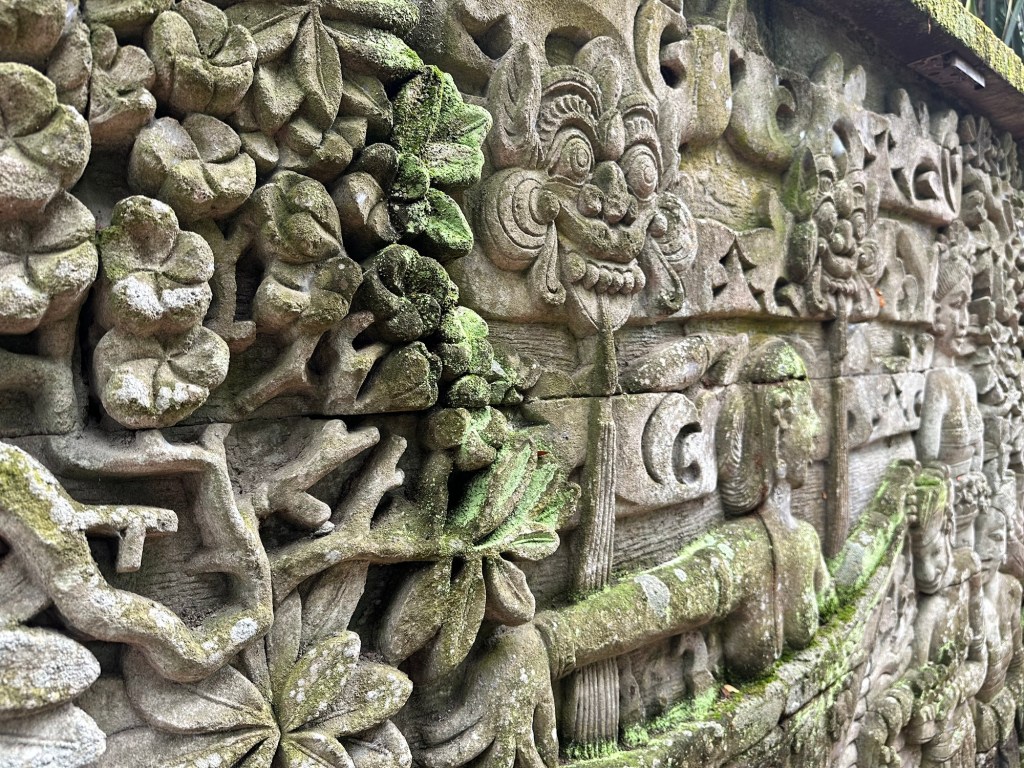
Once we finished our drinks the rain had slowed enough to be able to head out. We wandered into Fort Canning for a nice walk. Prior to 1822 Fort Canning hill was known as Bukit Larangan, meaning Forbidden Hill and is where the ancient Malay kings are believed to be buried.
Pancur Larangan is the ‘forbidden spring’ where the wives and consorts of the Malay kings bathed. Was also the source of drinking water for ships docked in the harbour during the early 19th C.

Dinner tonight was at Godmama, a Nyonya or Peranakan restaurant – the cuisine of the descendants of the early Chinese immigrants who settled in the mainland Malaysian states of Penag and Malacca, as well as Singapore and Indonesia. A Peranakan generally refers to a person of mixed Chinese & Malay/Indonesian heritage, and a female Peranakan in Malay is Nonya.
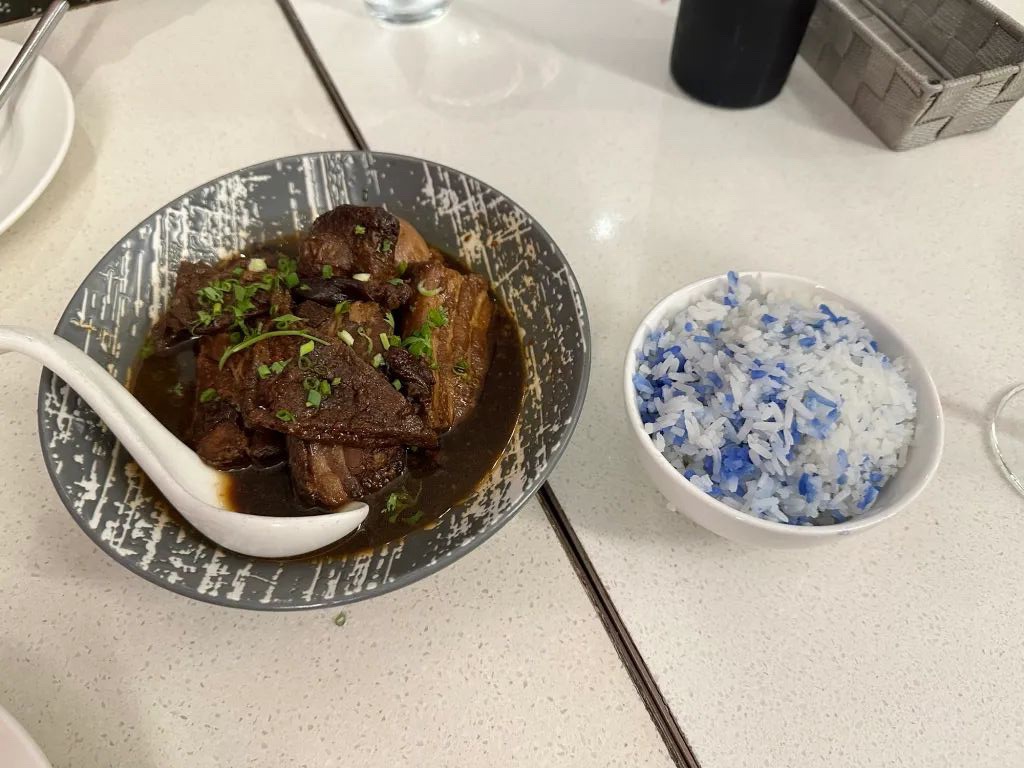
The wings and veggie cocur sayur were amazing. After a long day we were very tired and headed back to the hotel for a good night’s sleep.


Leave a Reply