

Genova was likely established in the 5th C BC and ranks among the oldest continually inhabited cities in the world.
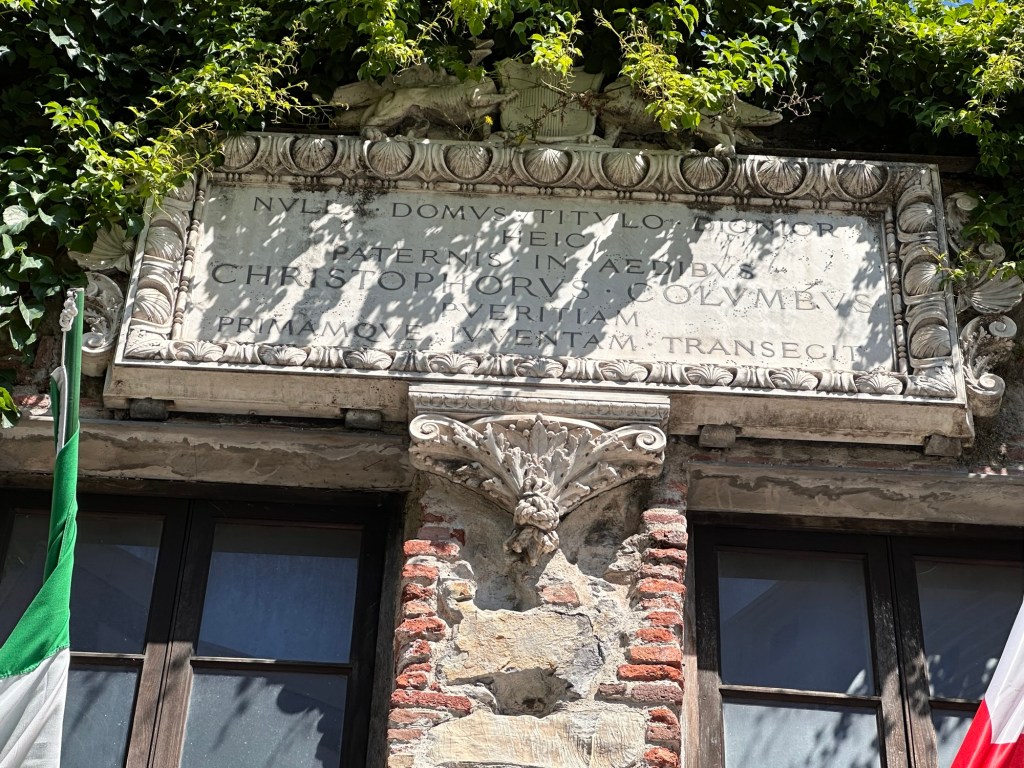
The Casa di Colombo is a restoration of the 2-story home where Christopher Columbus lived as a teenager (the original was destroyed by a French raid in the 17th C).
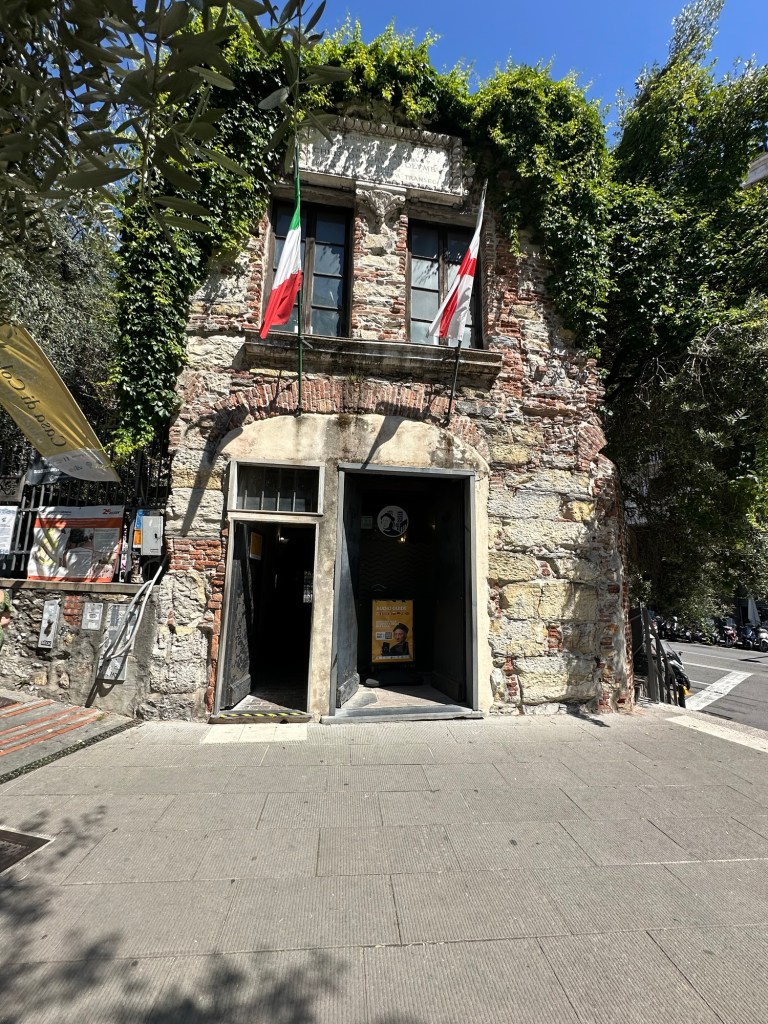
Other countries have claimed to be the birthplace of Columbus in 1451 including Poland, Great Britain, Greece, Portugal, Hungary and Scandinavia. His mother was from Valencia, Spain, and it is likely he was born there, but most authorities agree that he spent his youth in Genova.
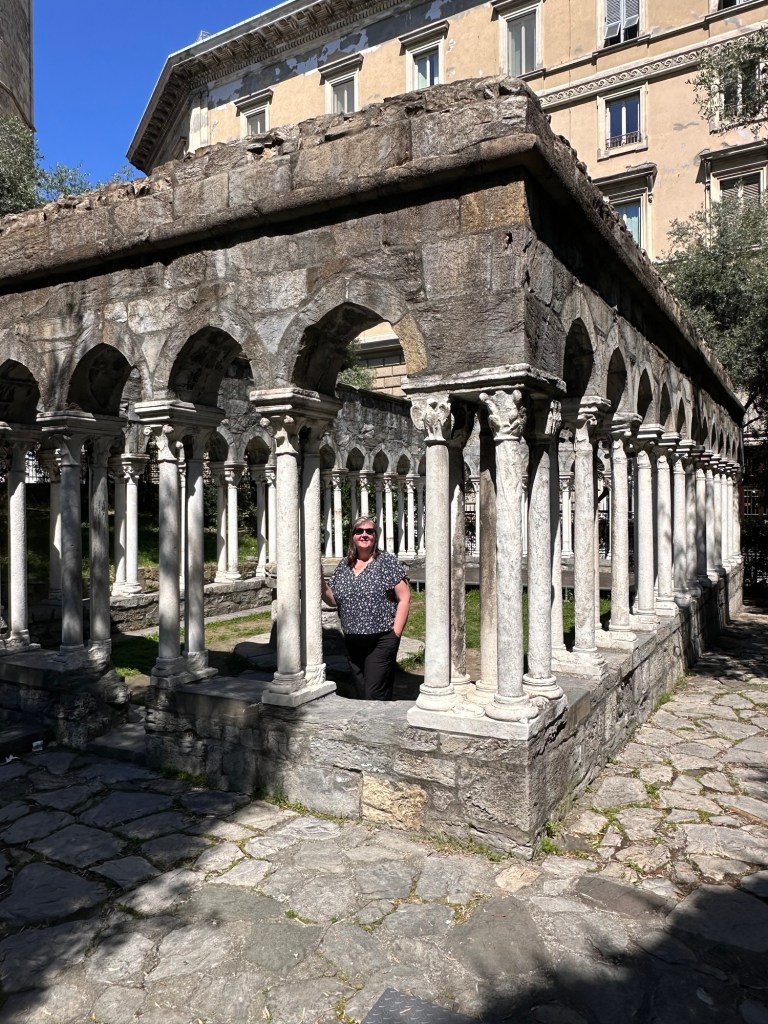
The 2-towered Porta Soprana or Torri di Sant’Andrea is the best known gate of the ancient walls of Genoa.
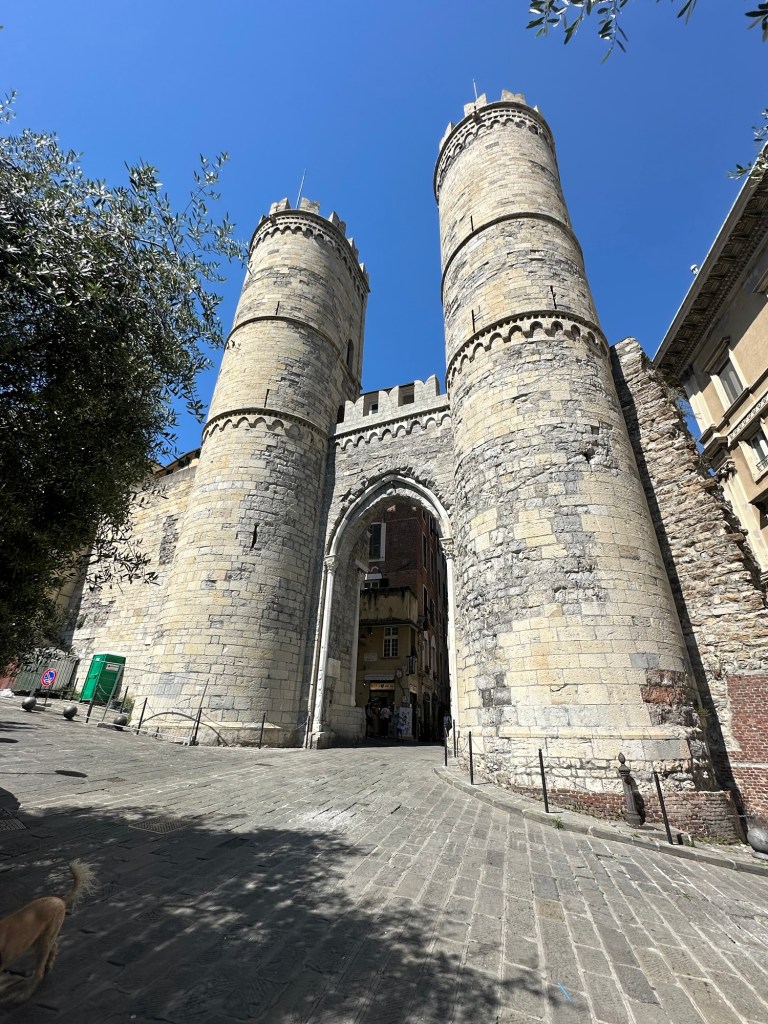
The first defensive city walls were built in the 9th C, then expanded in 1155 to include new settlements outside the original walls. The Porta Soprana was part of the Barbarossa Walls (the emperor at the time), originally from 1150 but restored in 19th & 20th Centuries.
The towers are round on one side and square on the other.
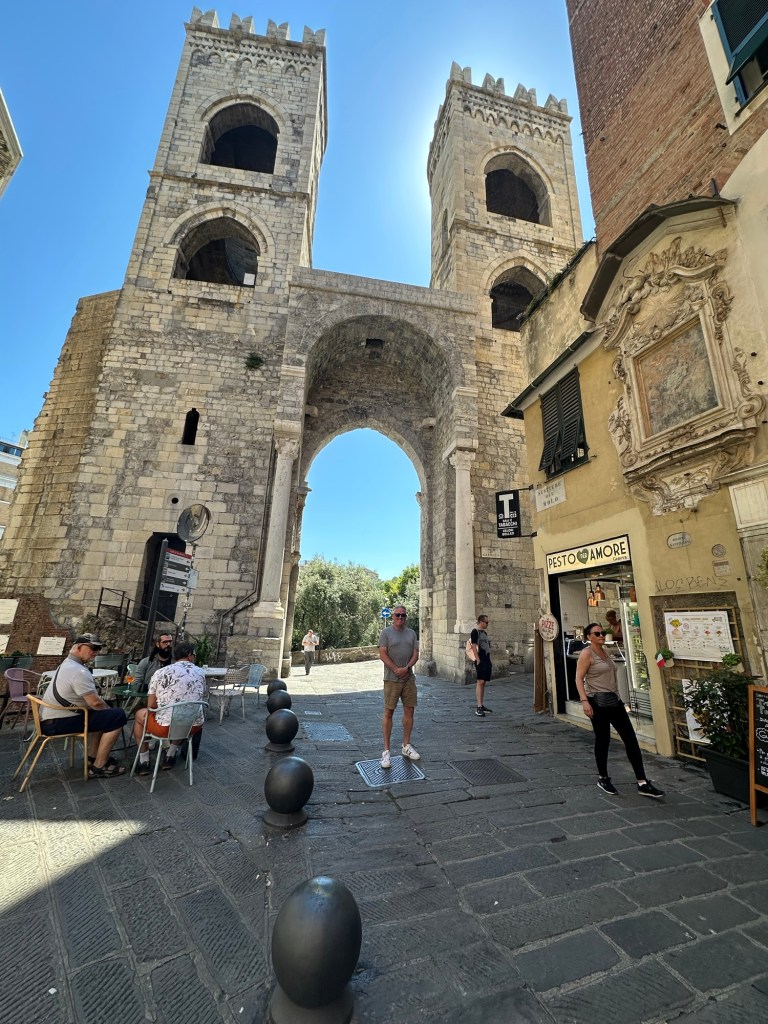
The towers were used as a prison in the 19th C.
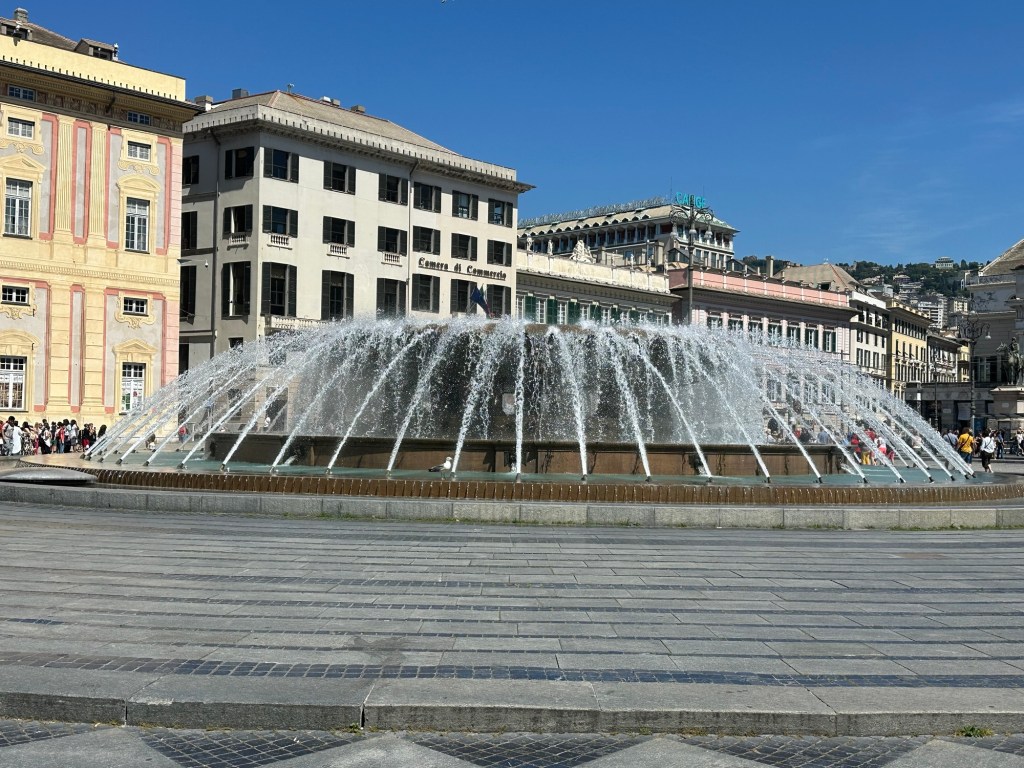
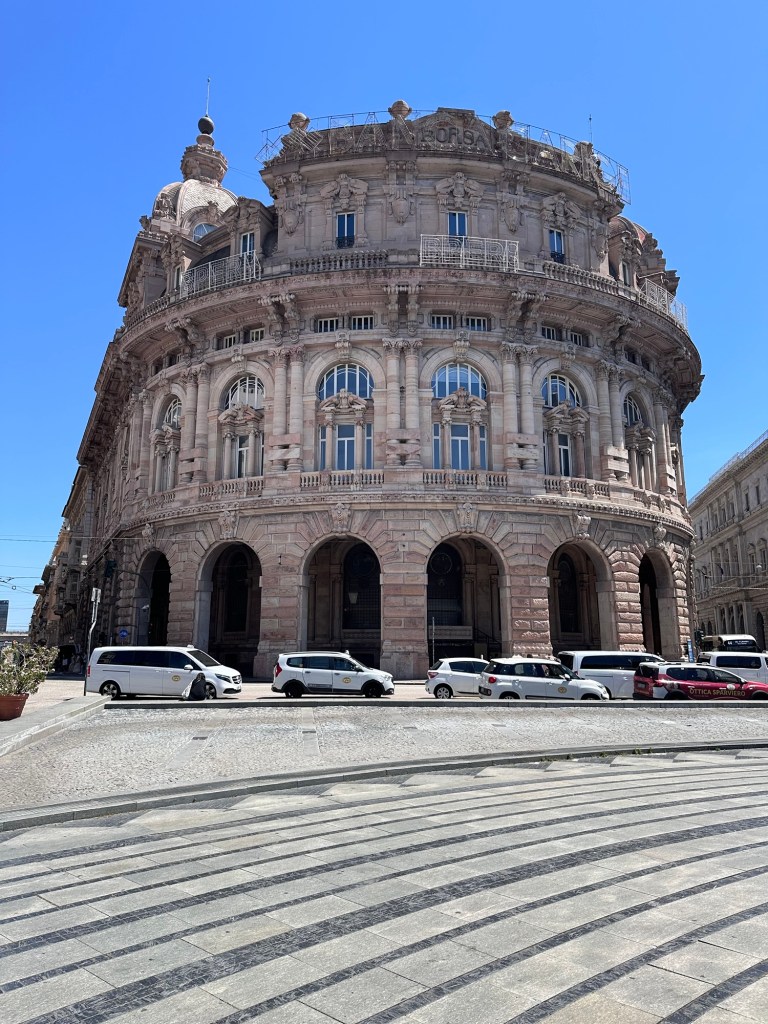
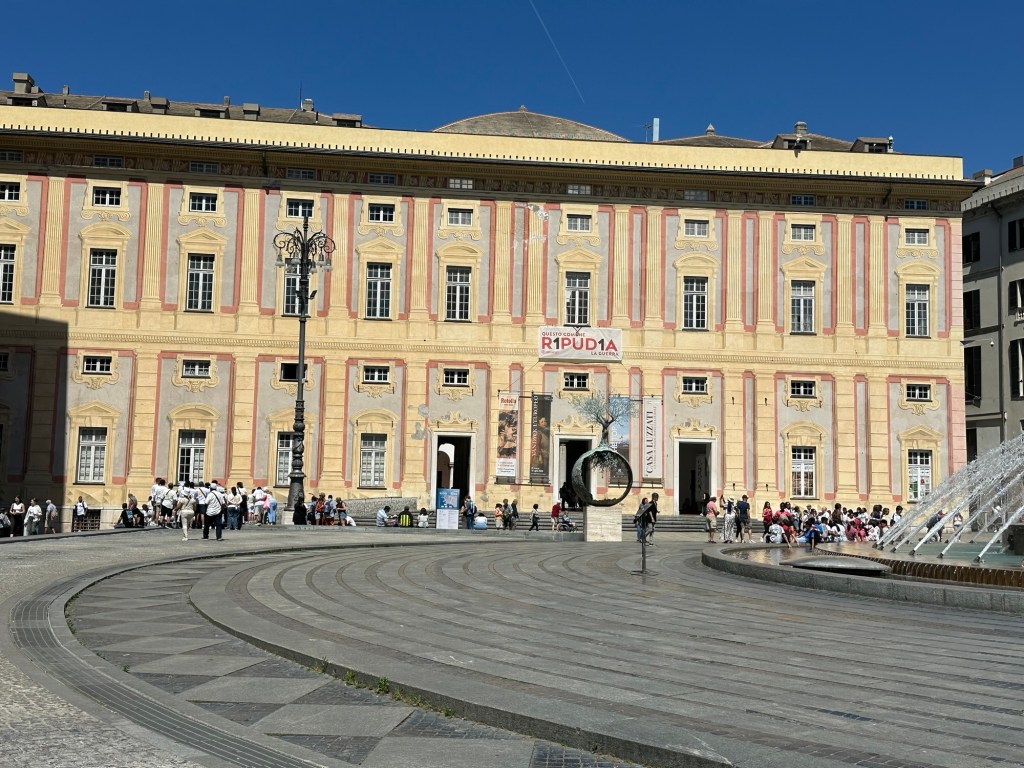
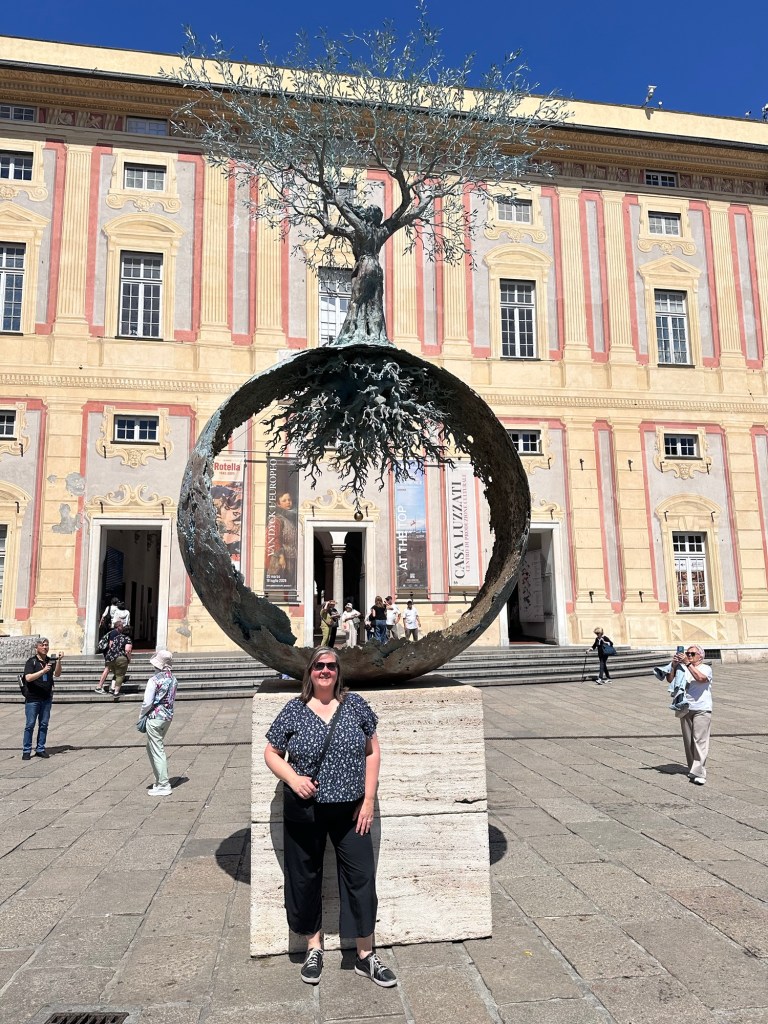
Piazza Ferrari is the main square in town situated between the historic and the modern centers. Lots of bank headquarters and insurance agents have offices in this area.
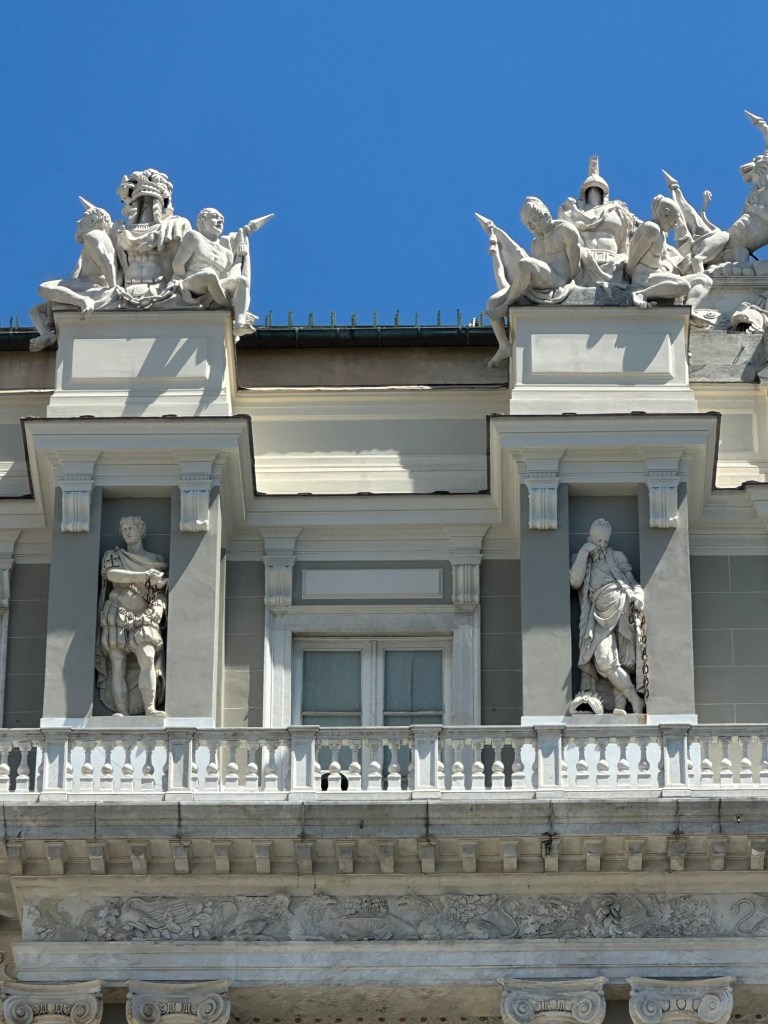

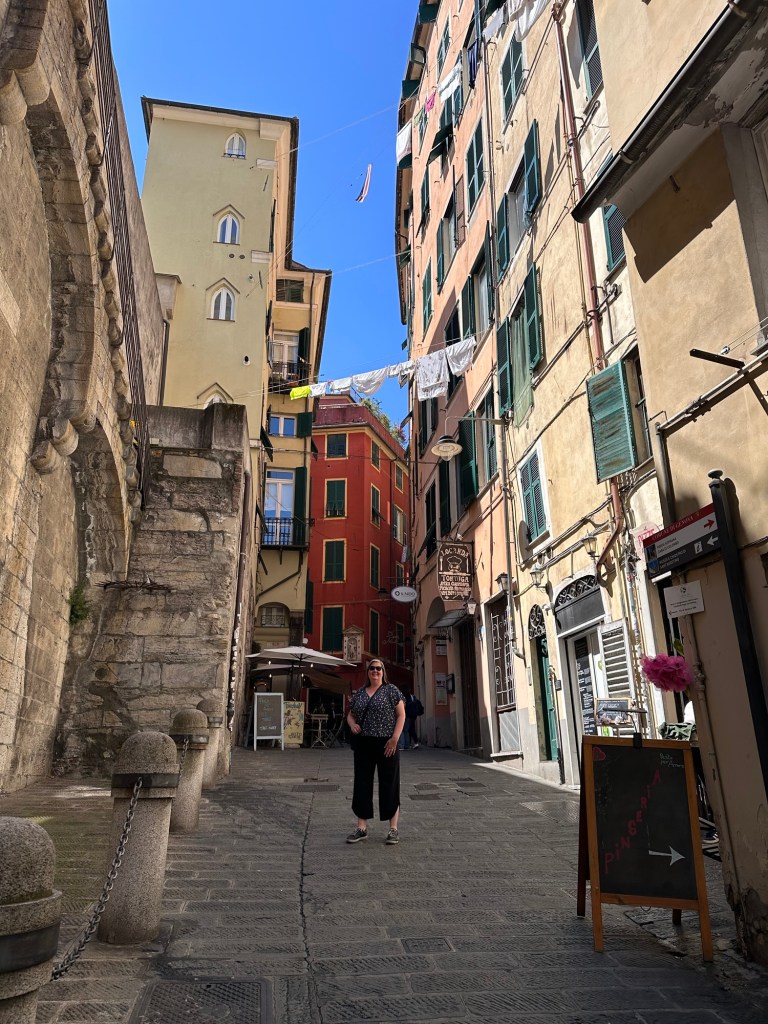
Ligurian caruggi are narrow, winding alleyways that form much of the historic center of towns in the Liguria region and are particularly famous in Genova.
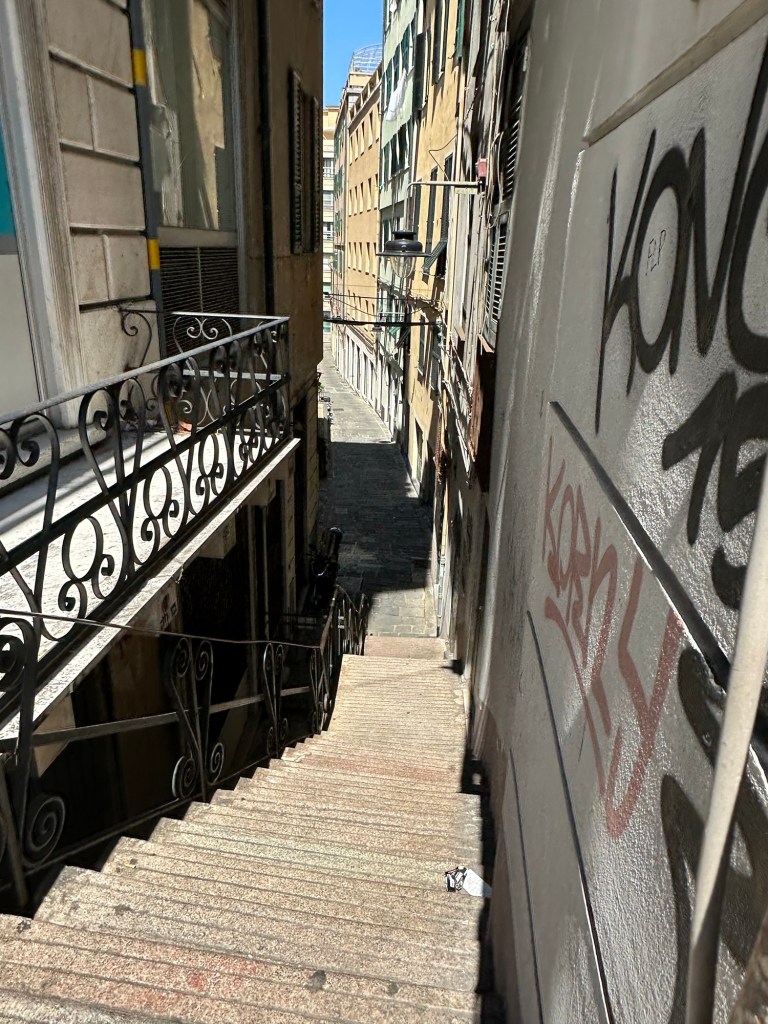
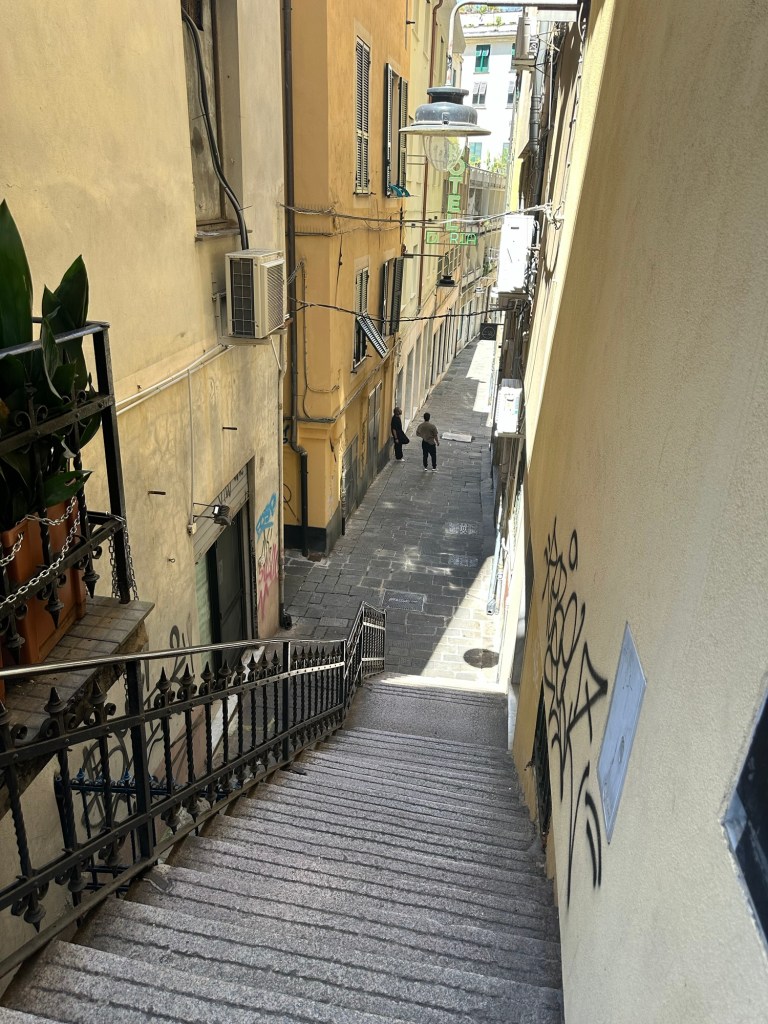
These remnants of the medieval period feature historic stores, artisan workshops, and small squares.
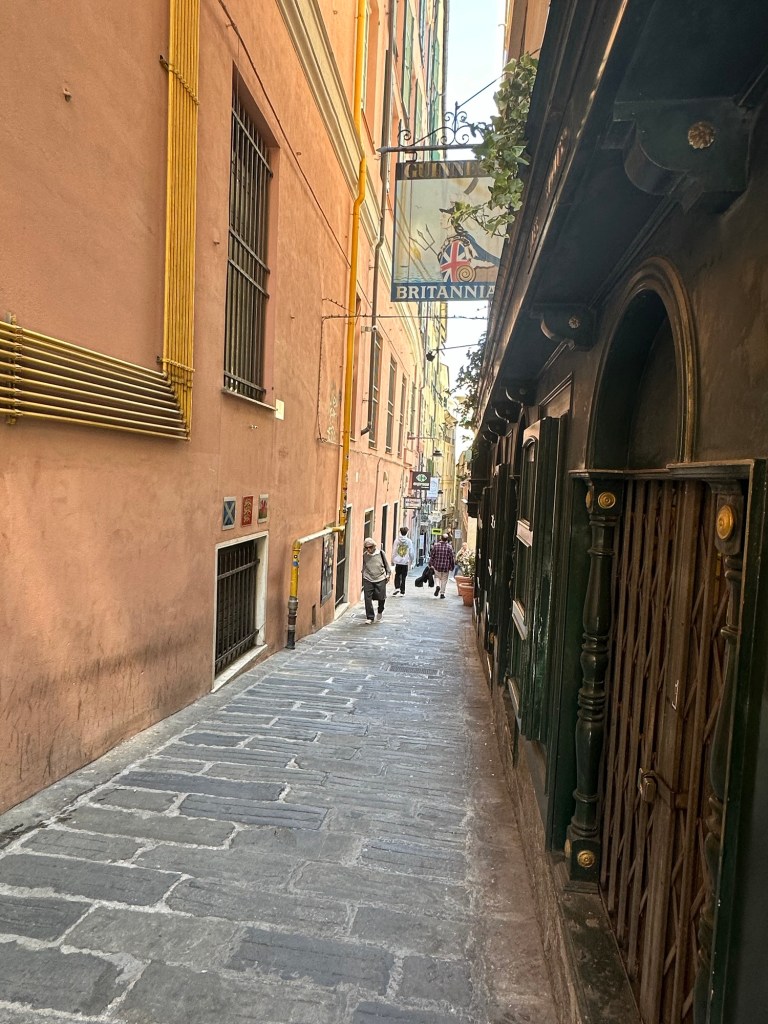
The neighbourhood is a little gritty but fascinating
Construction of the current Cattedrale di San Lorenzo or Duomo di Genoa was started in 1098 and replaced a smaller church dating from 5/6th C but it was not actually finished until the 17th C.

There is a marked mix of different architecture styles throughout the building; Gothic flying buttresses, stained glass and vaulted ceilings, Renaissance arches, columns and domes and Baroque with heavy ornamentation, geometric shapes and use of dramatic light and shadow.
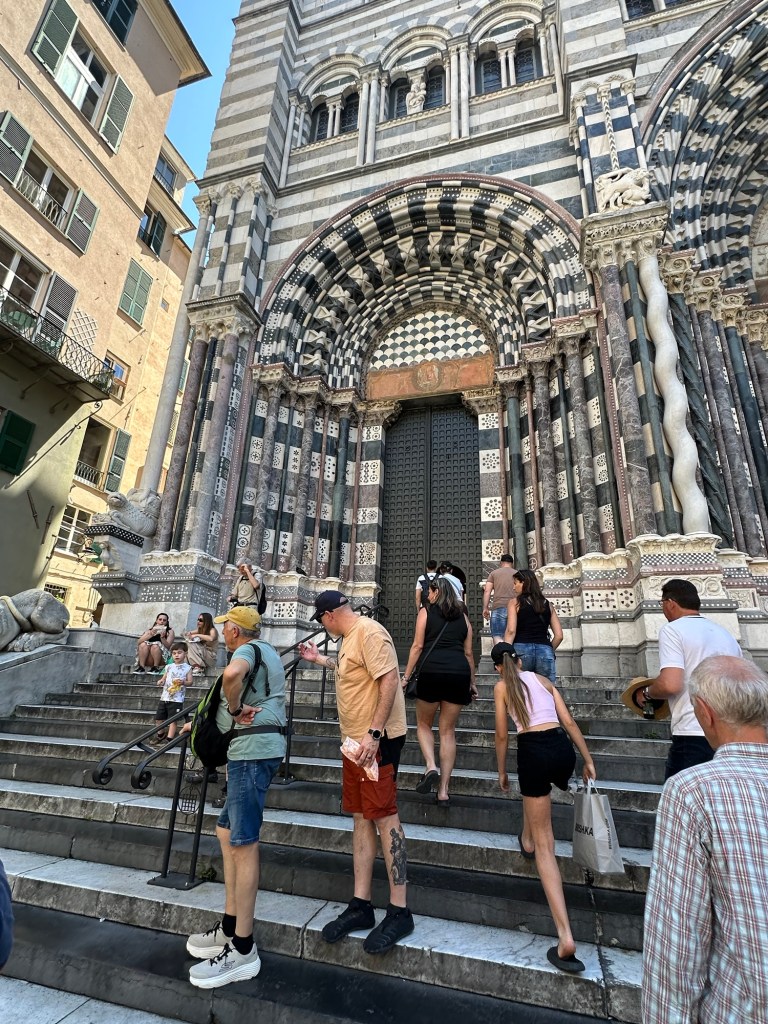
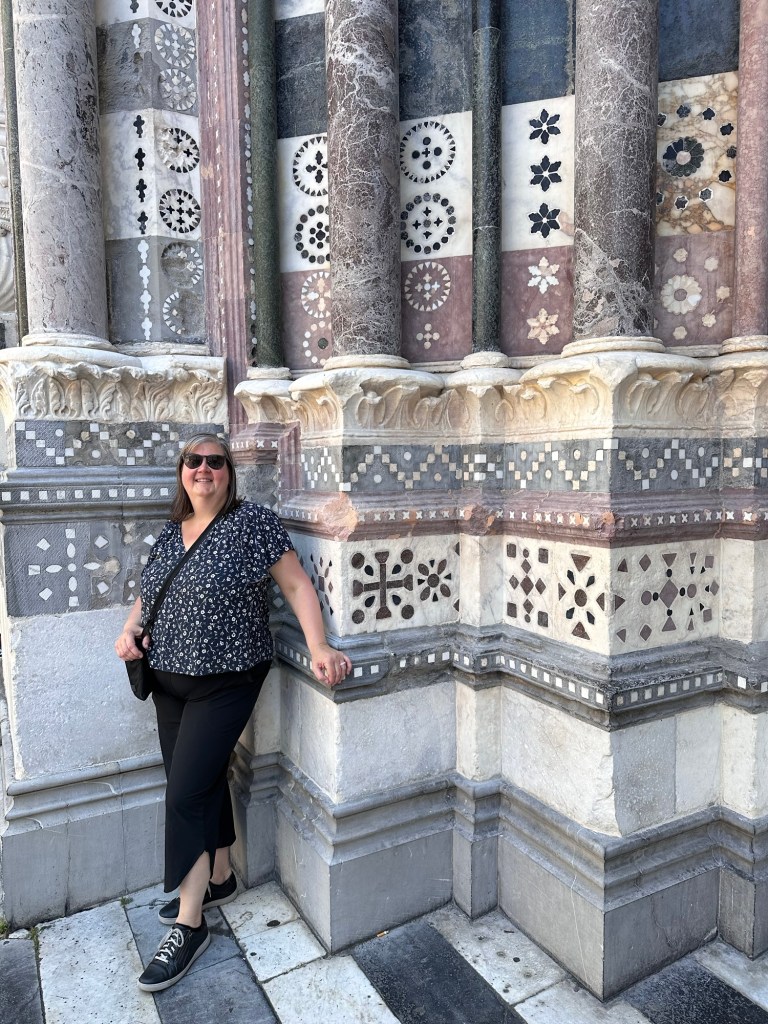
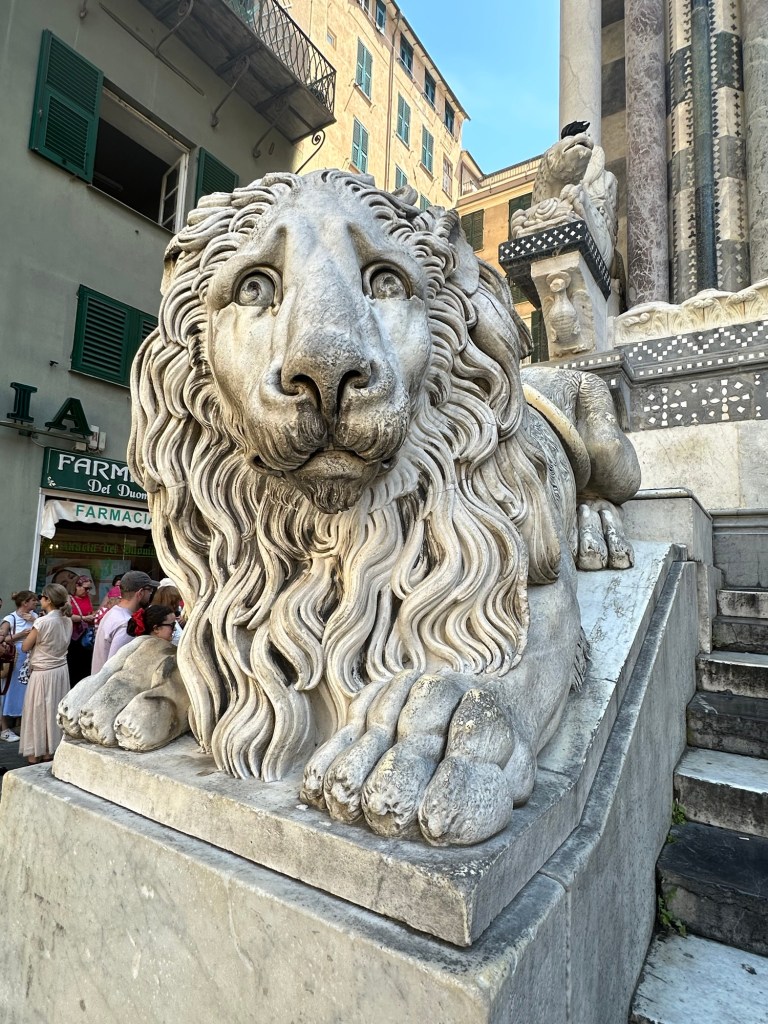
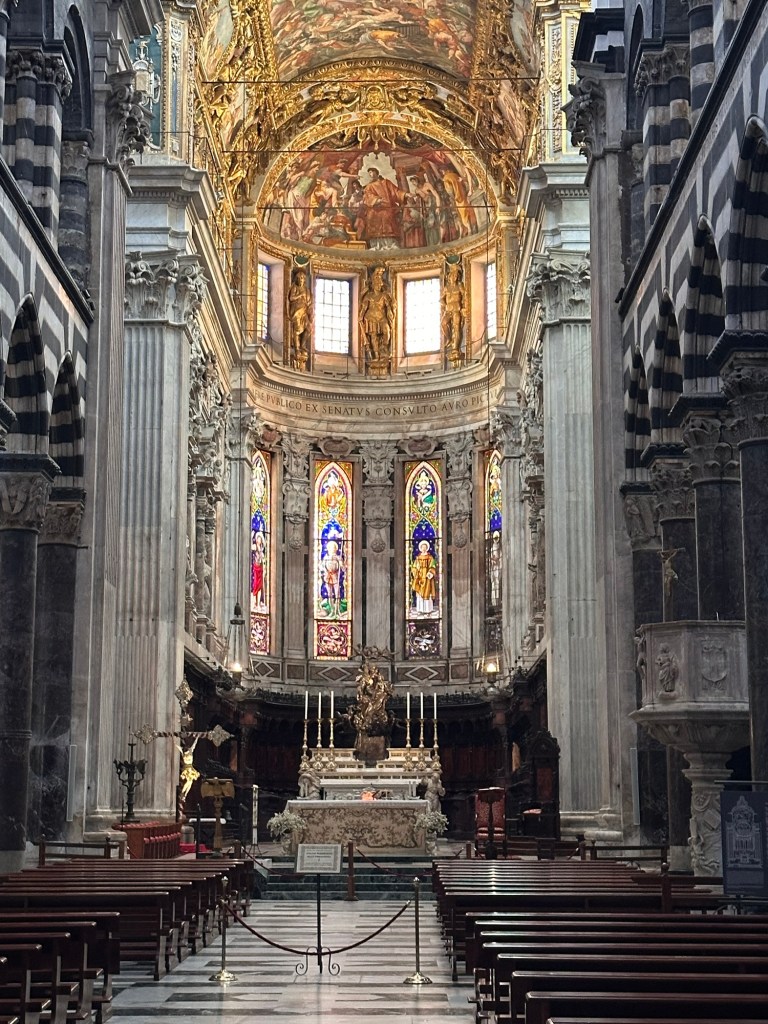
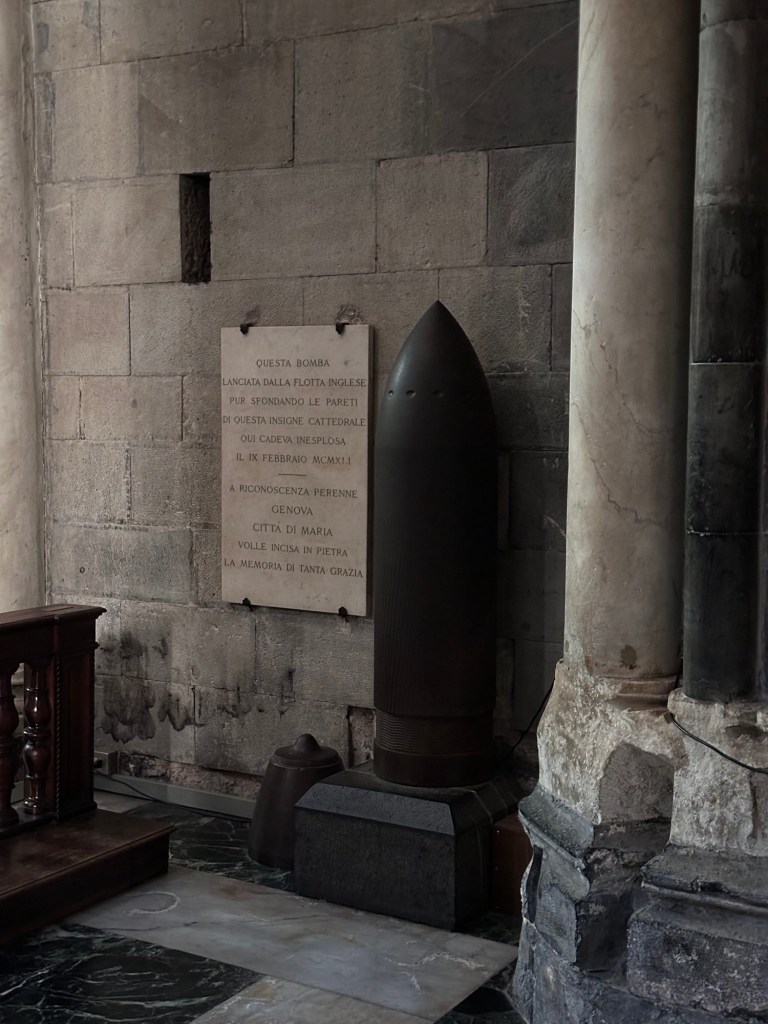
An unexploded bomb on display inside the cathedral
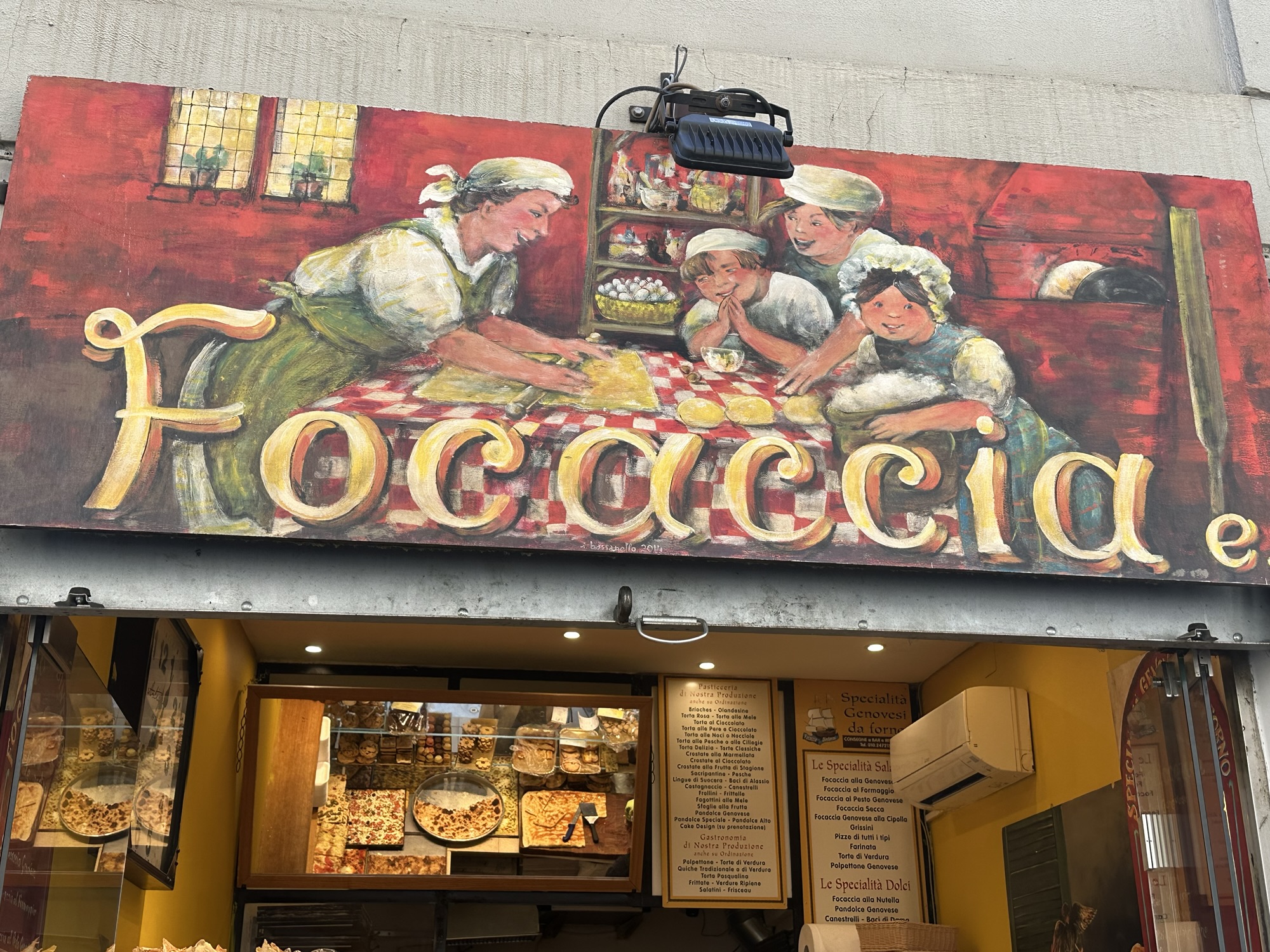
The province of Liguria and specifically the city of Genova is the birthplace of Focaccia bread.
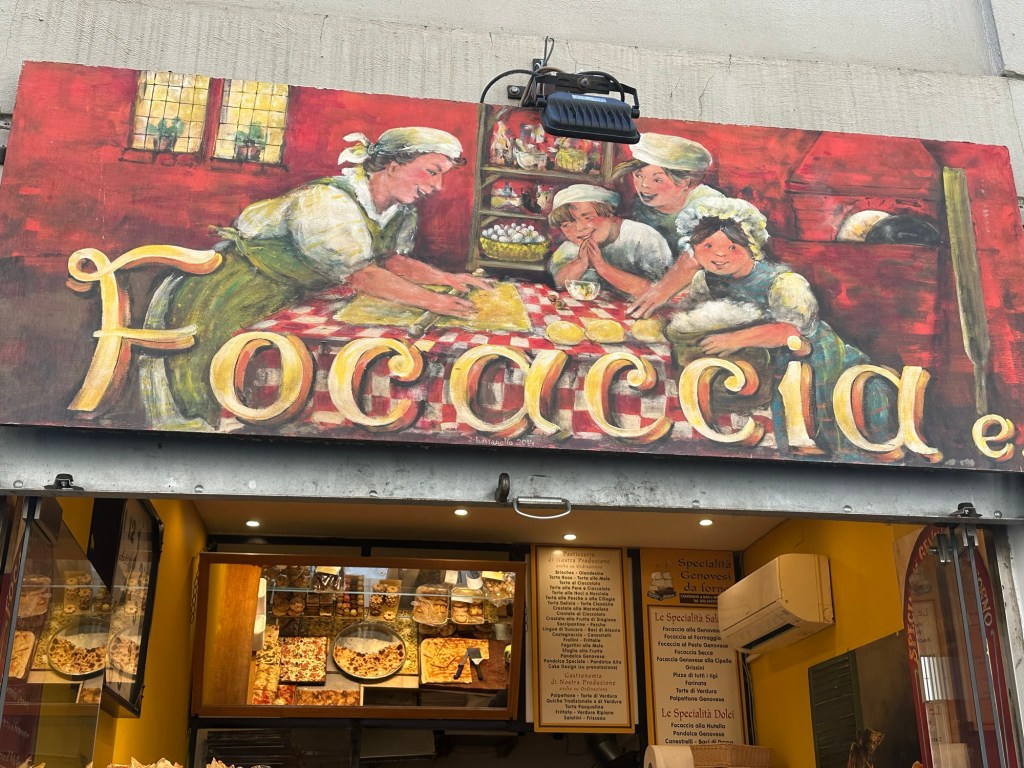
The thin and crisp bread has been made here since the 16th C , although it is likely that the Etruscans baked a similar recipe.
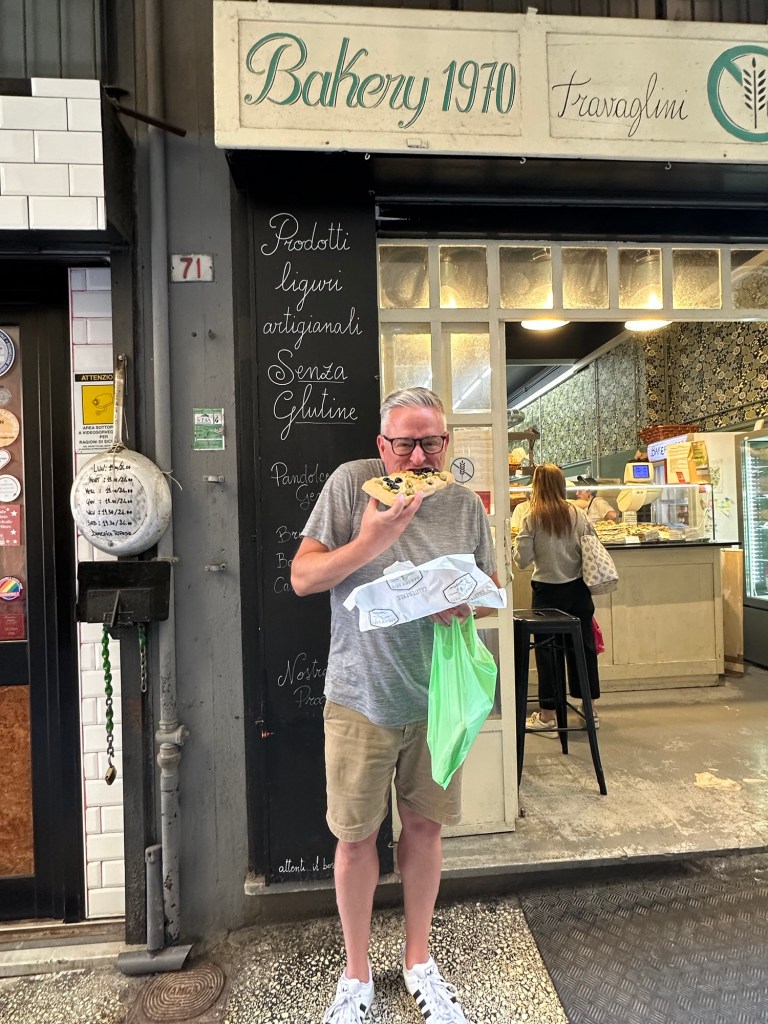
Focaccia alla Genovese is made with simple ingredients and usually topped with olive oil, salt and rosemary. Many locals will eat a slice of focaccia as breakfast.

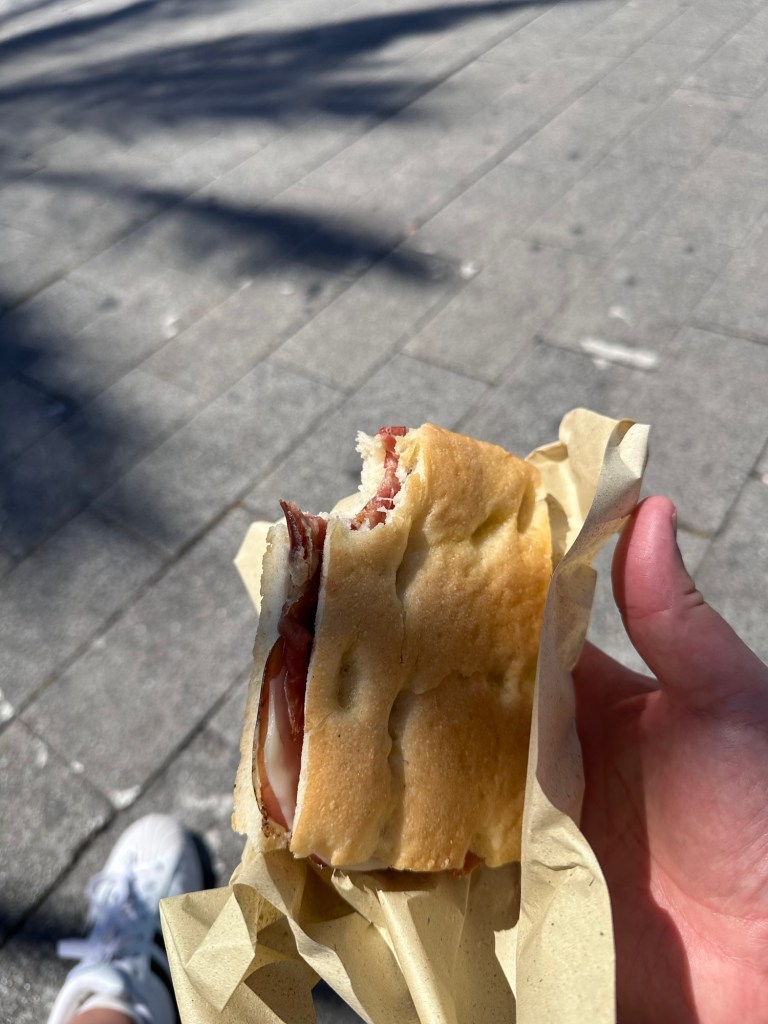
Lunch was a quick take-out from a gluten free deli where we both ate panini with Genova salami, another product originating in this city. Our sandwich was washed down with some tasty GF beer, a Heffeweizzen and a Stout.
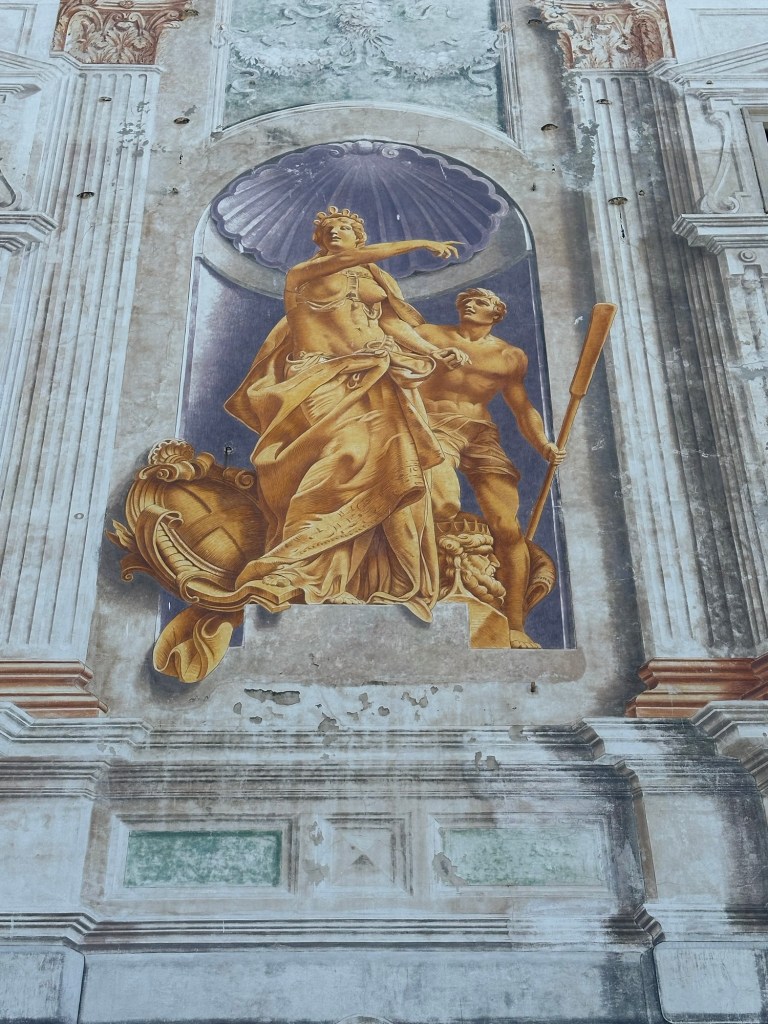
The Palazzo San Giorgio is one of the most important and well known historic buildings in Genova. Originally called the Sea Palace, as it overlooks the Genovan port and docks.

Built in 1257 as the town hall, it has been a customs house, a bank and a prison, and is now the headquarters of the port authority.

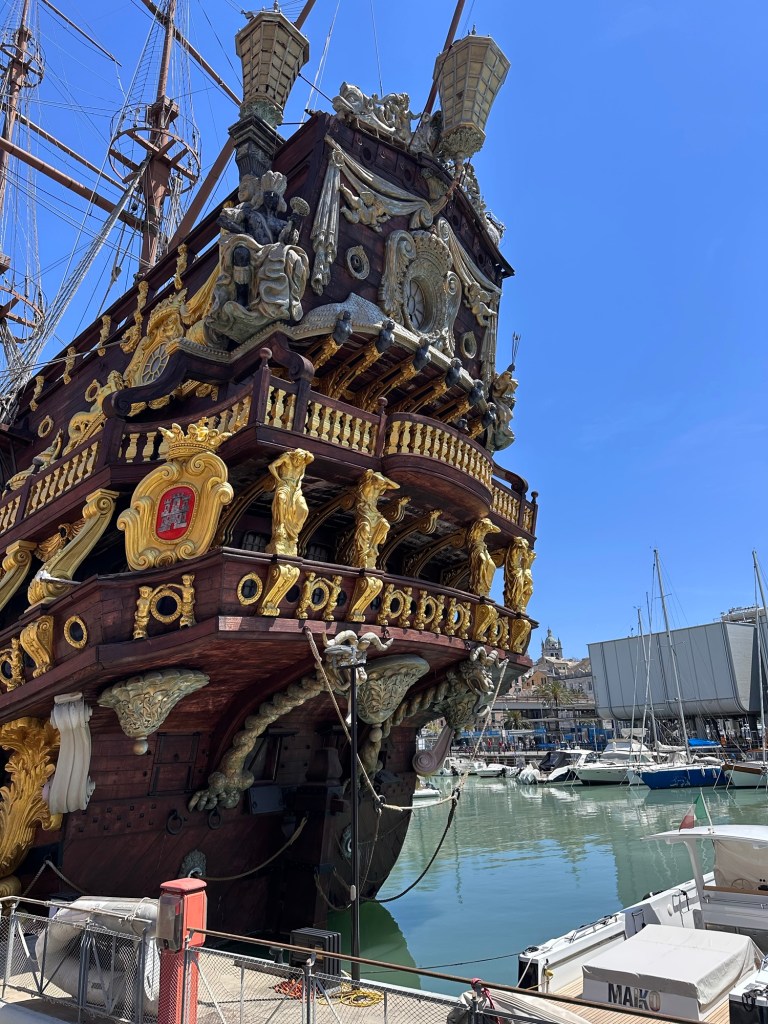
The Neptune is a replica of a fictional 17th C galleon built in 1985 for a Roman Polanski movie.

She sits as a tourist attraction in the Genova port.

At the Macellerie Ragazzon butcher, we perused their meats and cheeses, and bought some Genova Salami for an afternoon snack.


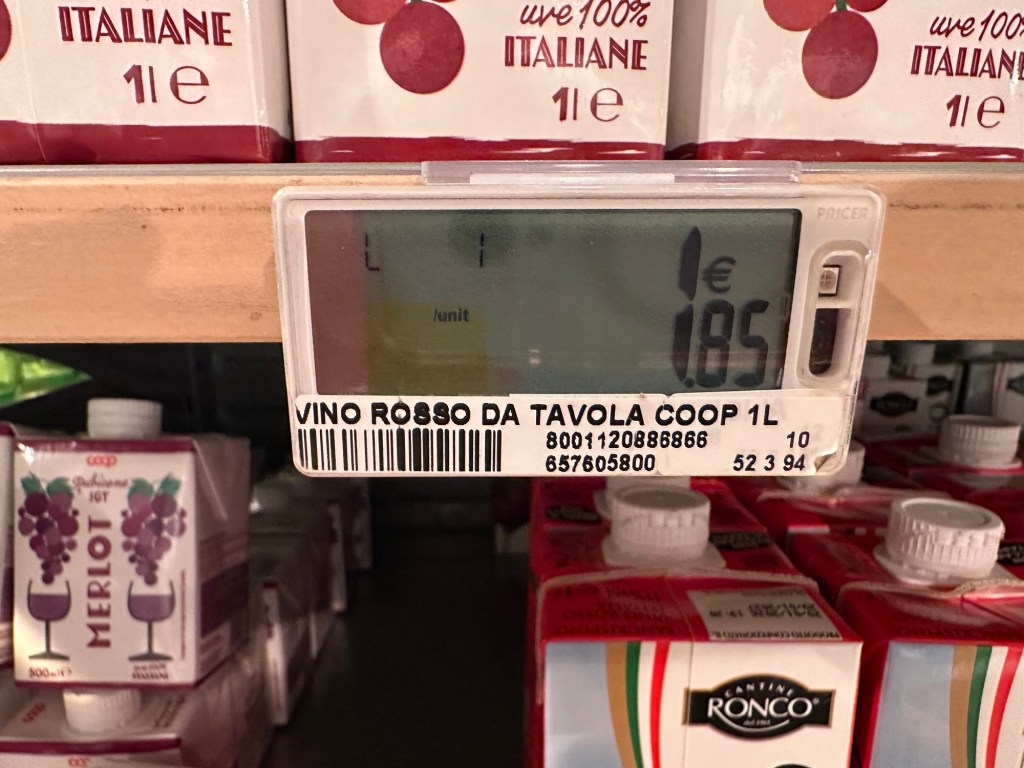
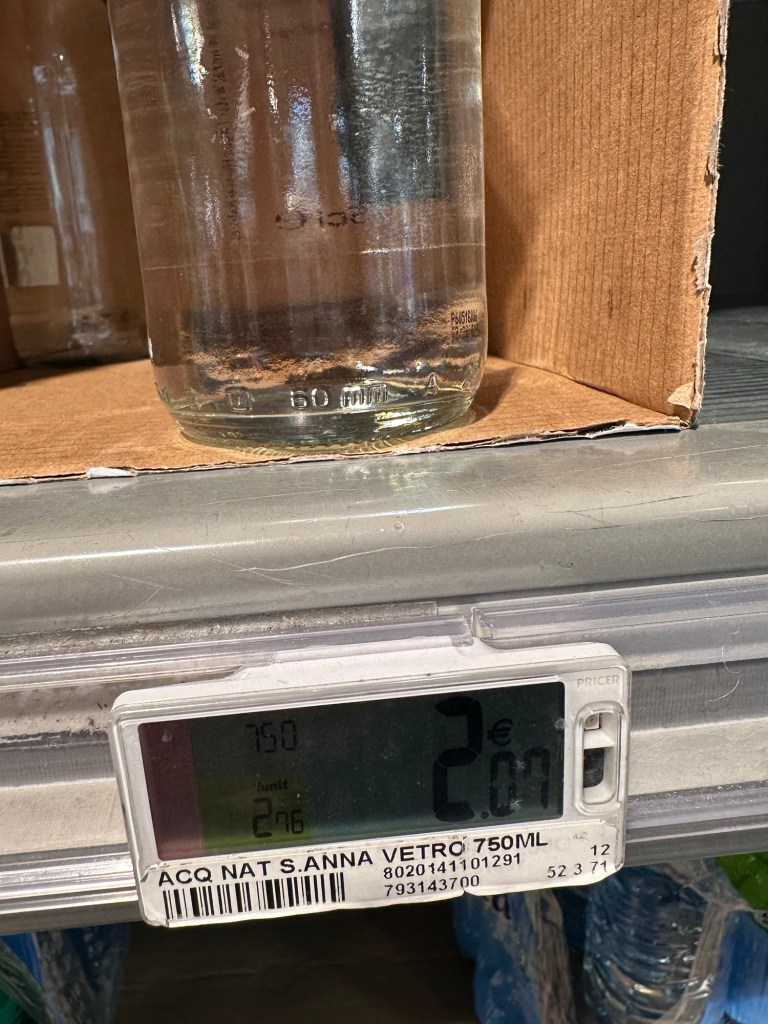
And true to previous Instagram posts, we found Italian wine cheaper than water in the local Coop grocery store!



Leave a Reply