

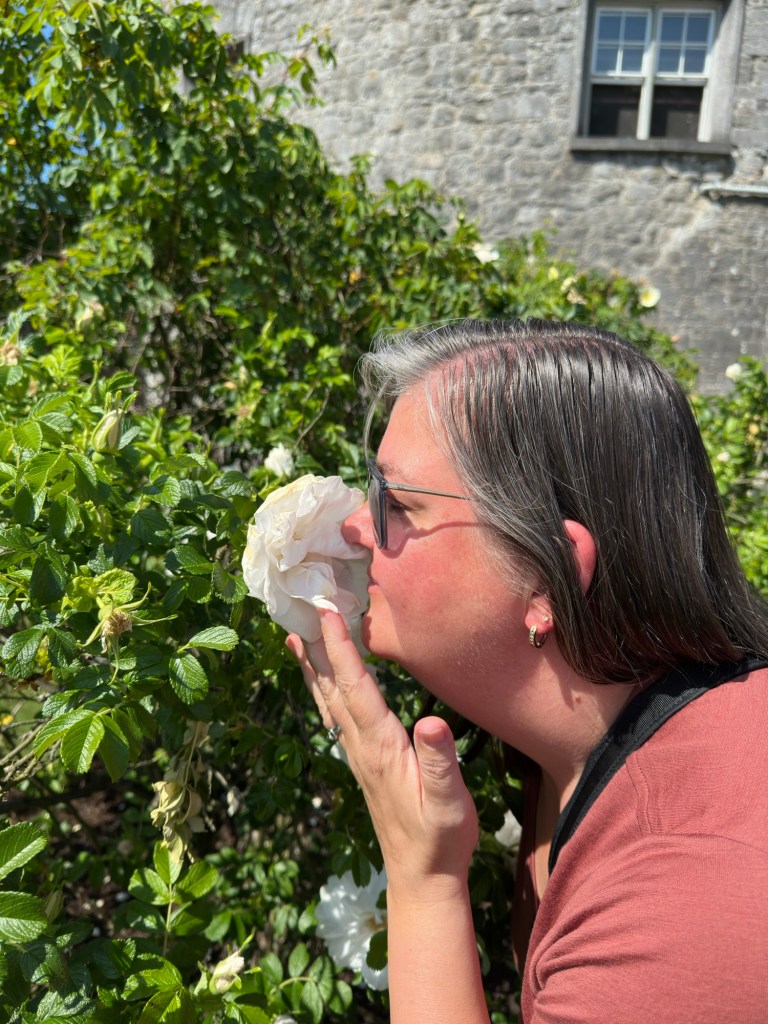
Who would have ever thought we would be waking up in Ireland a little bit sunburned! We have been having the most amazing weather so far. And in addition to being out on the water yesterday, we are both looking a bit rosy!
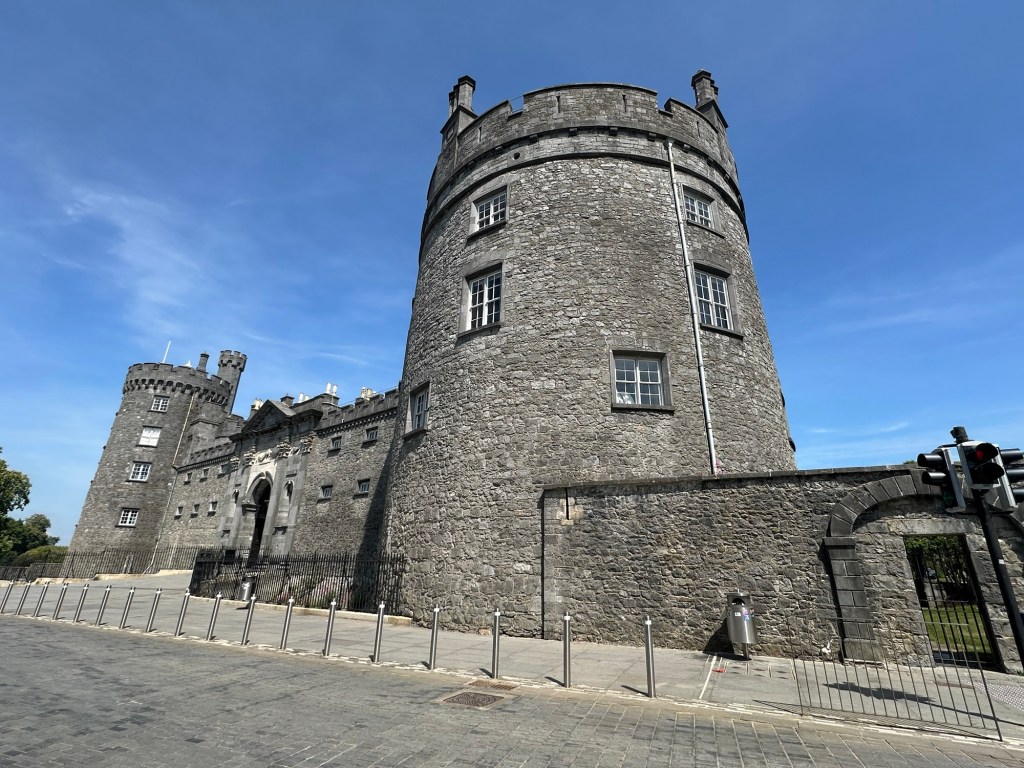
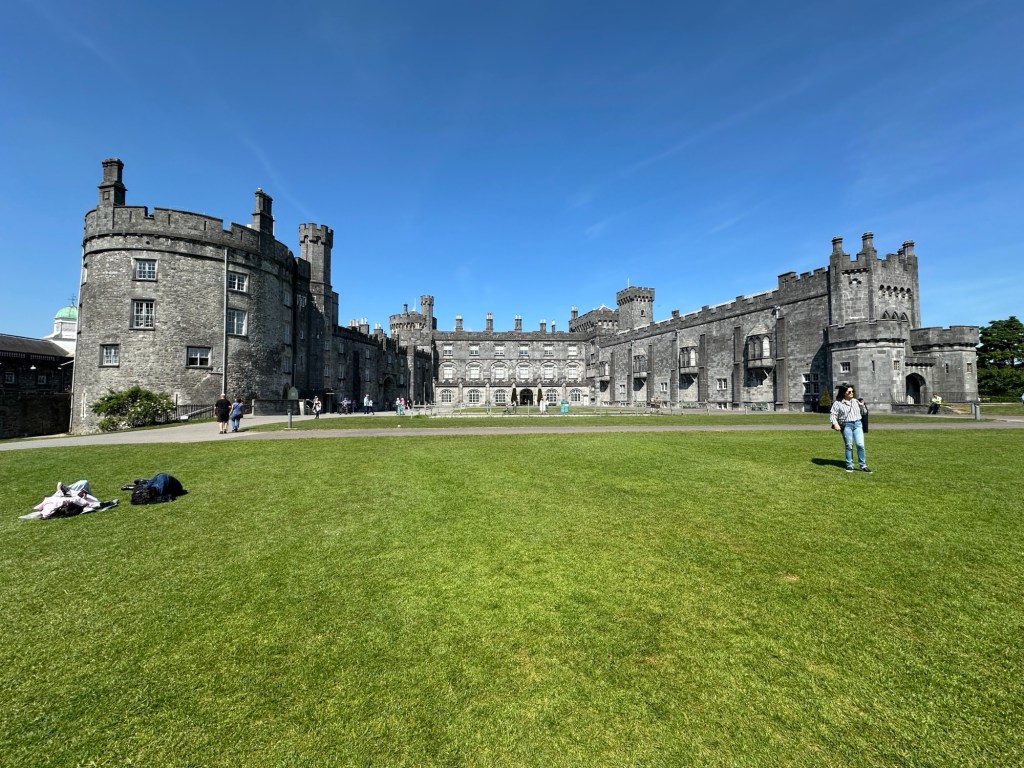
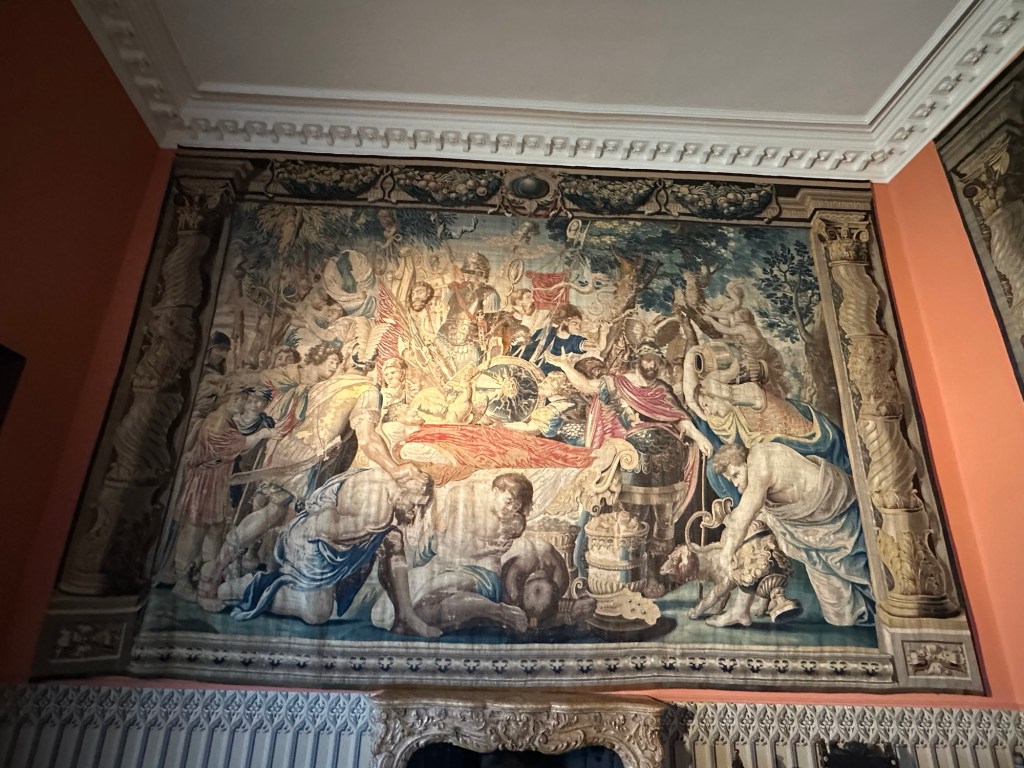
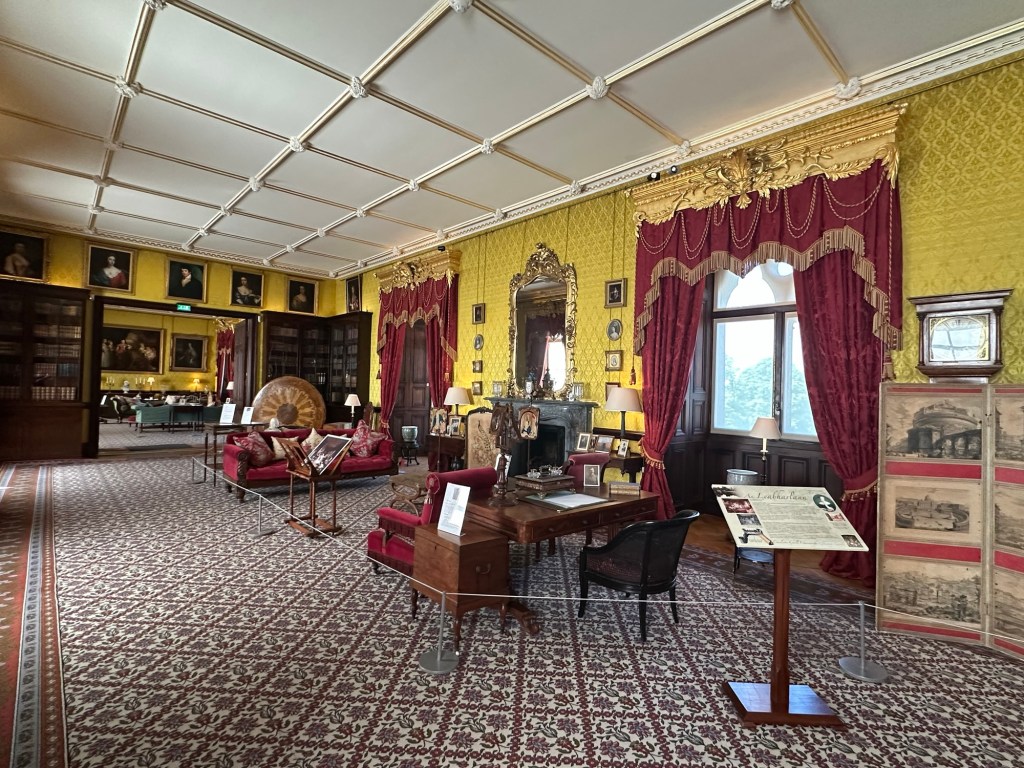
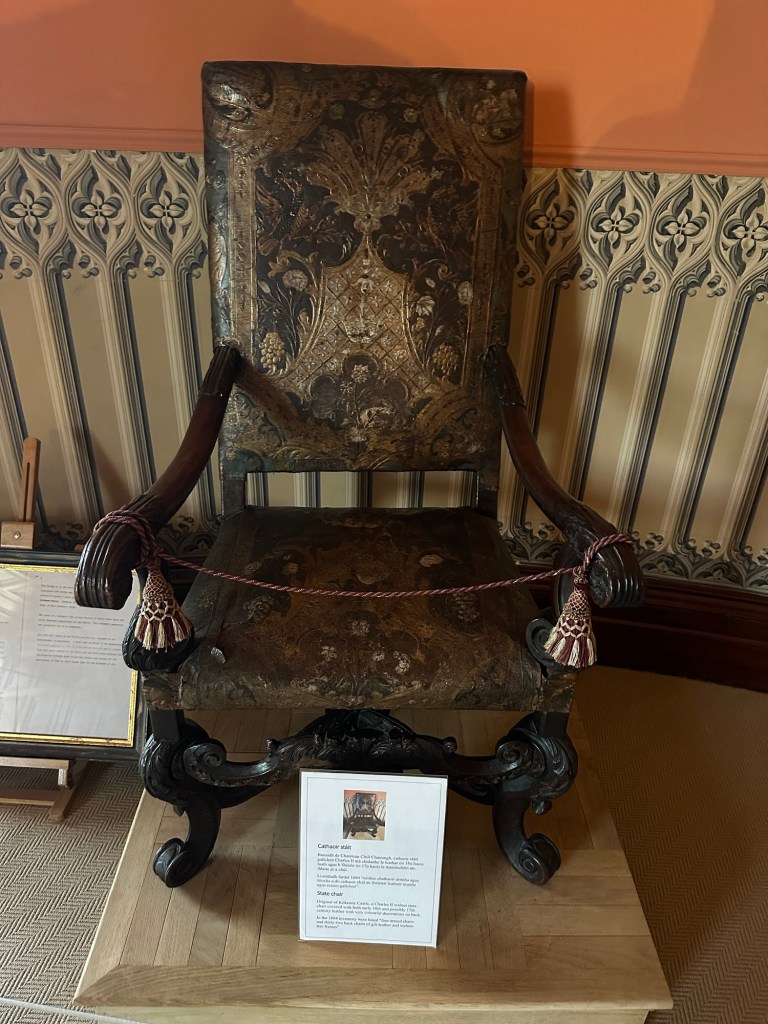
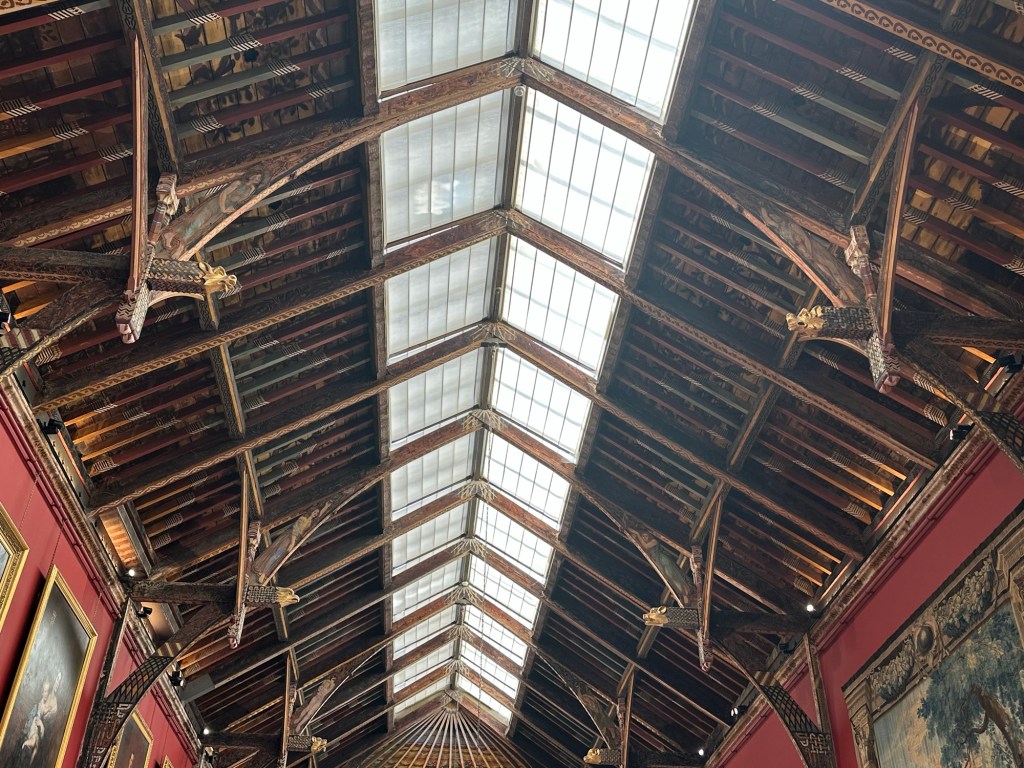
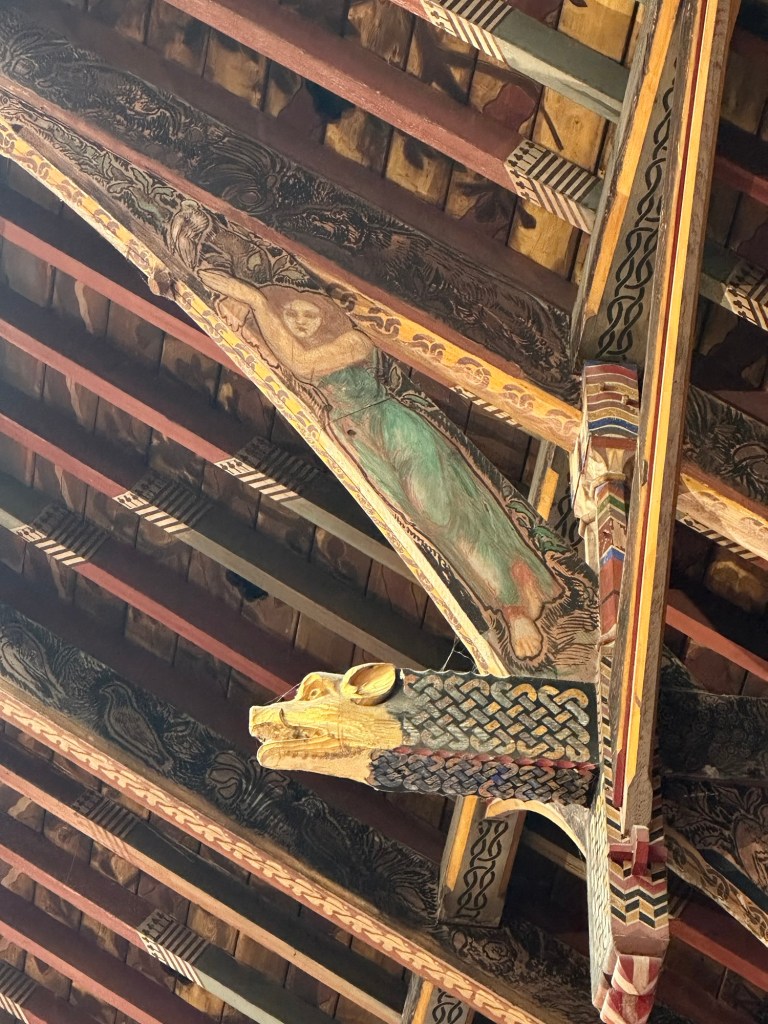
The Castle in Kilkenny is a restored fortress filled with Celtic and pre Raphaelite mosaics. It was originally built in the 13th C by William Marshall the 4th Earl of Pembroke as a symbol of Norman control.

We stopped at The Field gastropub for lunch. They have the reputation of being a party bar.

The walls and even the ceiling are decorated with Irish and American kitsch: license plates, sports jerseys, vintage signs.
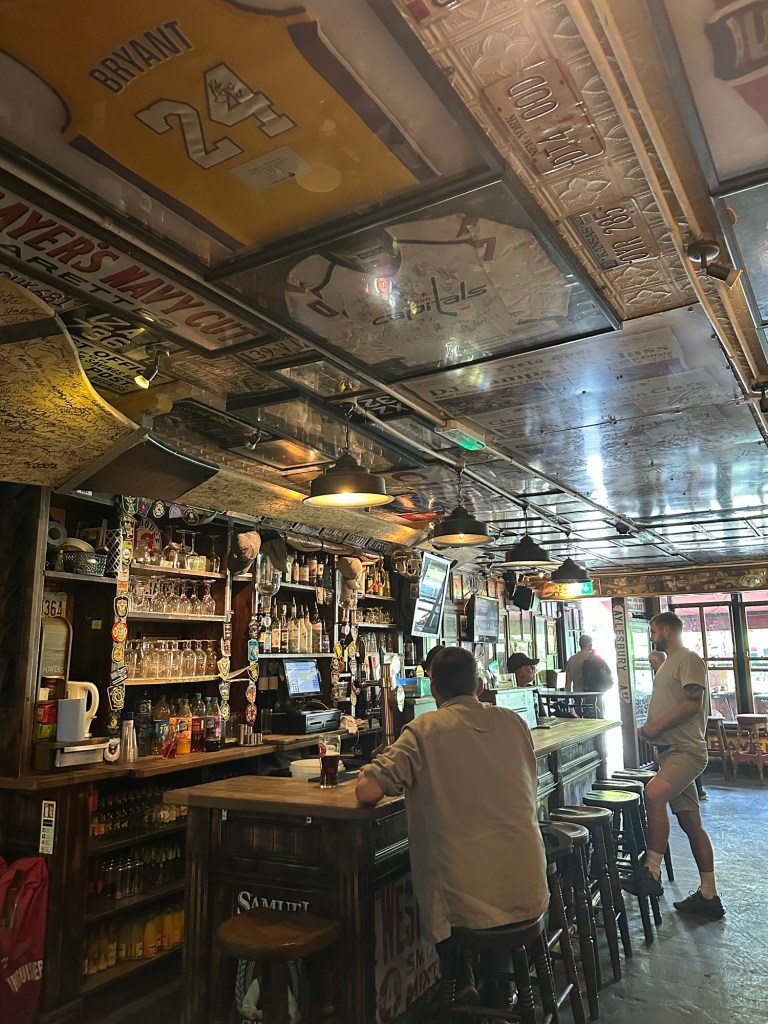
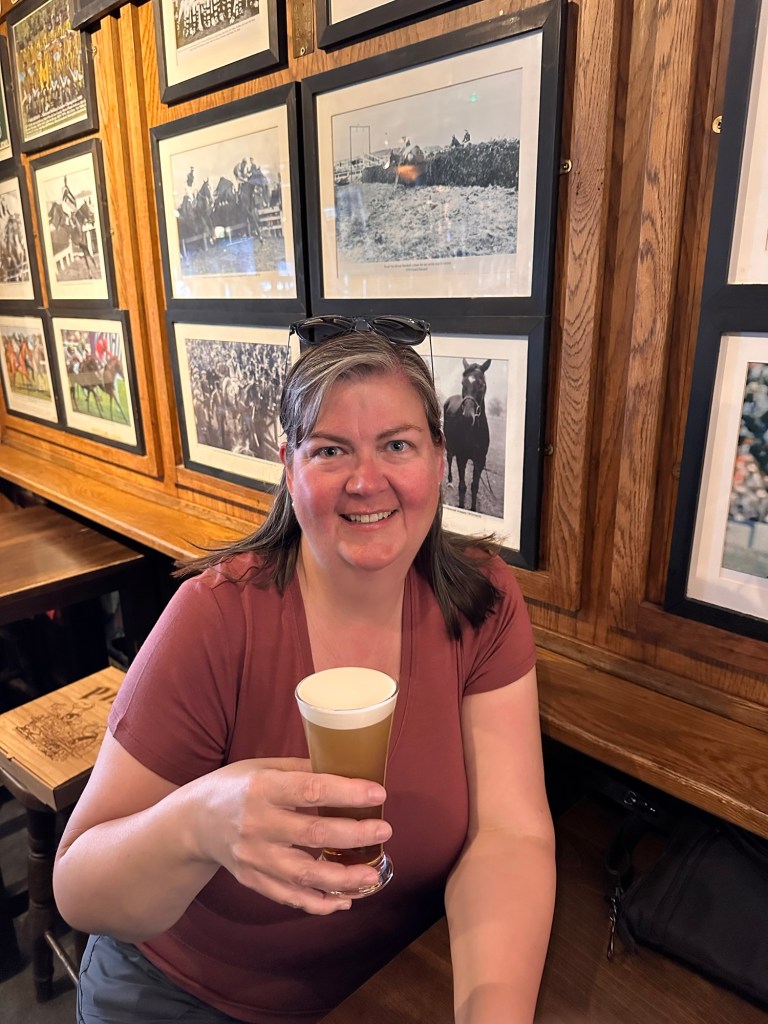
Signs proclaim that “all visitors to The Field will leave with their sense of fulfillment achieved” & insist that “Everybody must have a great time”. Kris was able to drink a Kilkenny beer in Kilkenny, so sure, we had a great time.
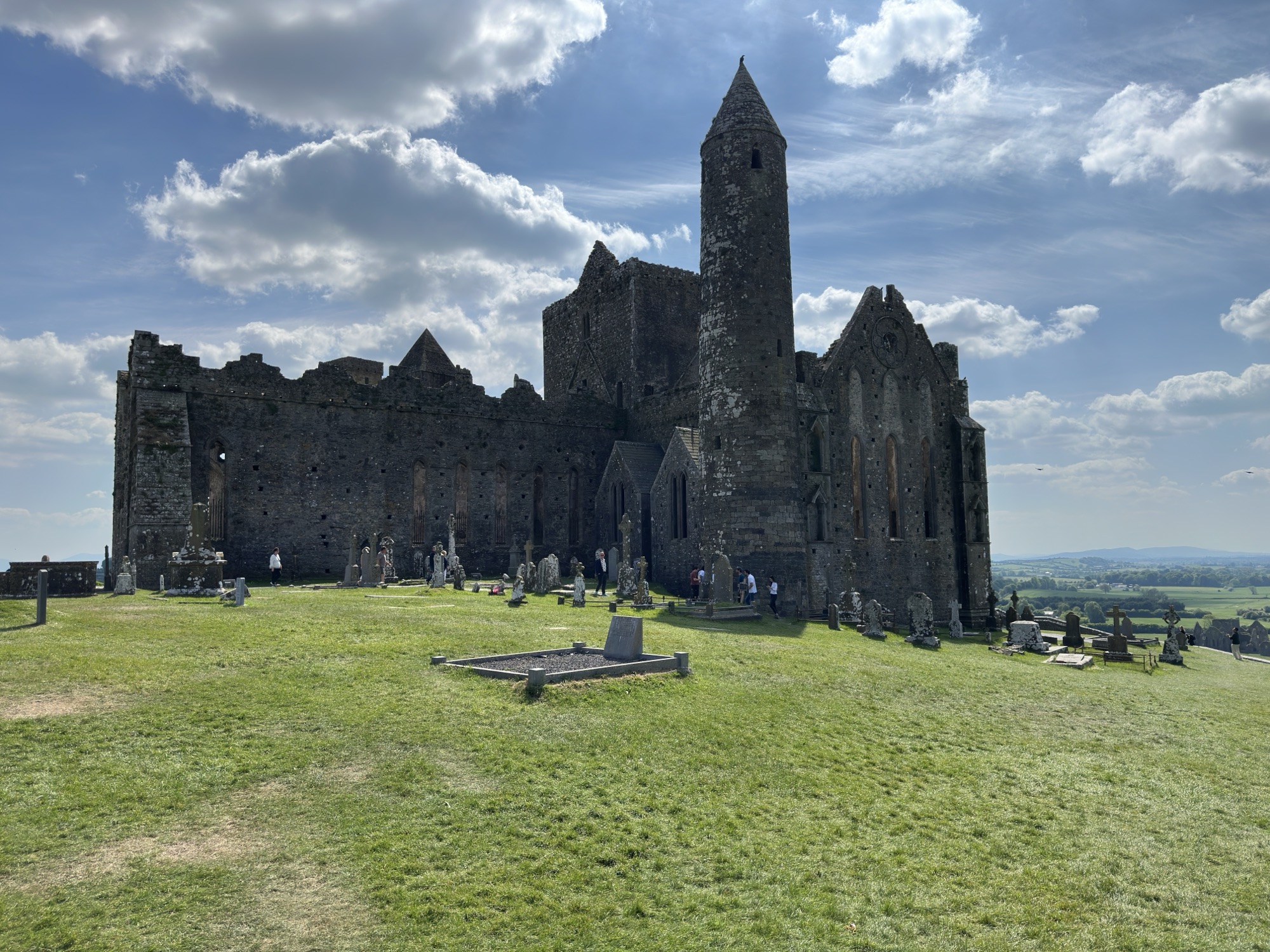
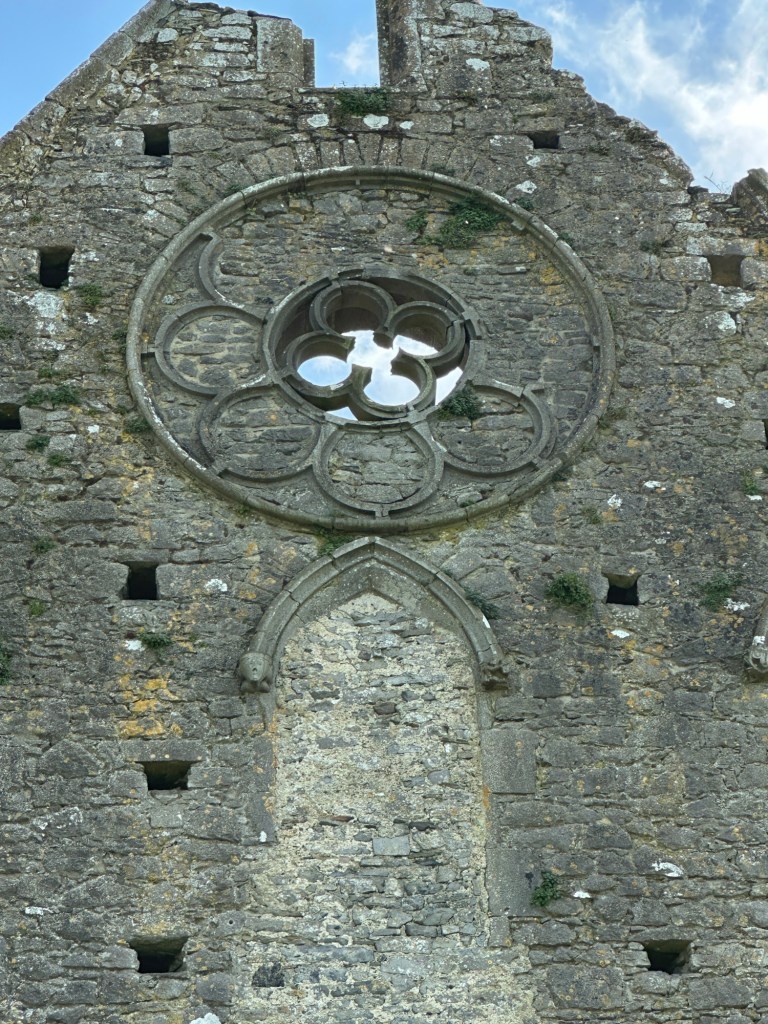
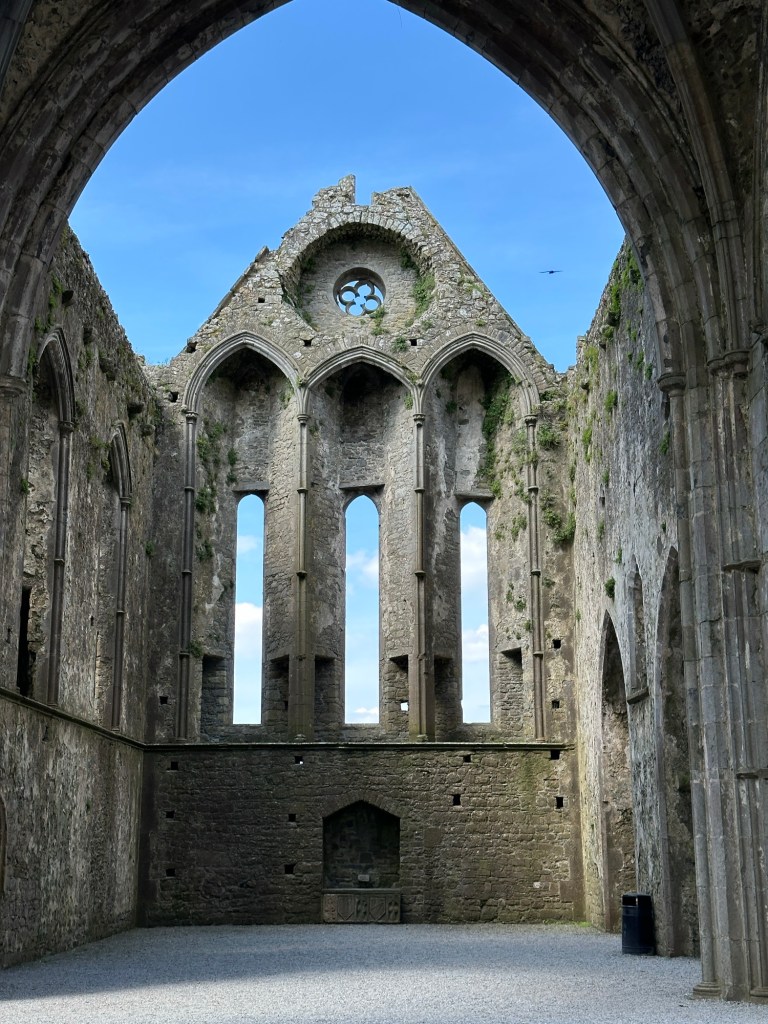
The Rock of Cashel, also known as St Patrick’s Rock, is a limestone outcropping topped with medieval buildings; a gothic cathedral & Cormac’s Chapel (1127), a round tower (1100) and a 15th C castle.
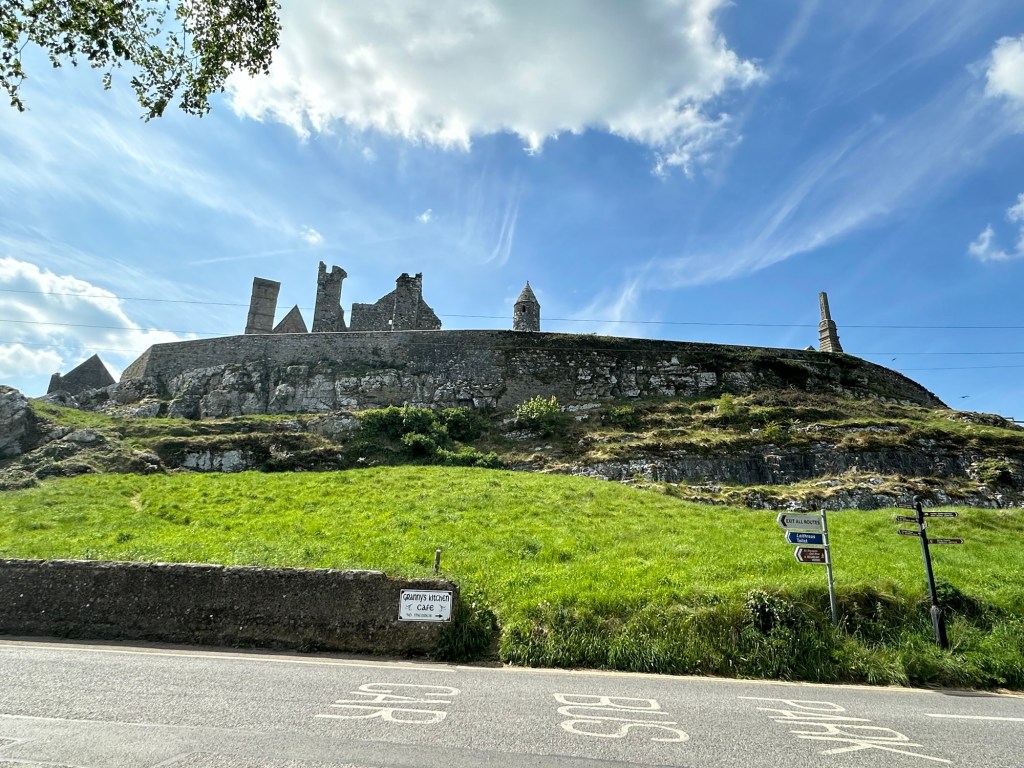
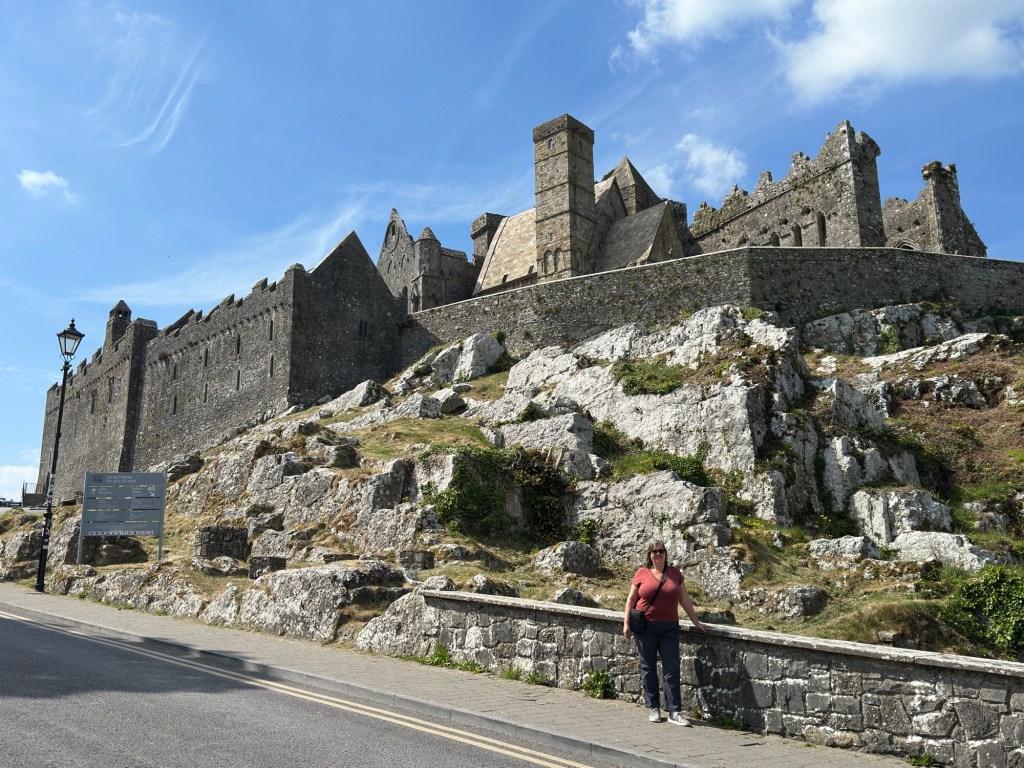
Mythology says the Rock of Cashel originated in the Devil’s Bit, a mountain 20 miles north of town when St Patrick banished Satan from a cave, resulting in the rock landing in Cashel.

Cashel was the traditional seat of the Kings of Munster for several hundred years before the Norman invasion. It is reputed to be the site of the conversion of the Irish King of Munster by St Patrick in the 5th C.



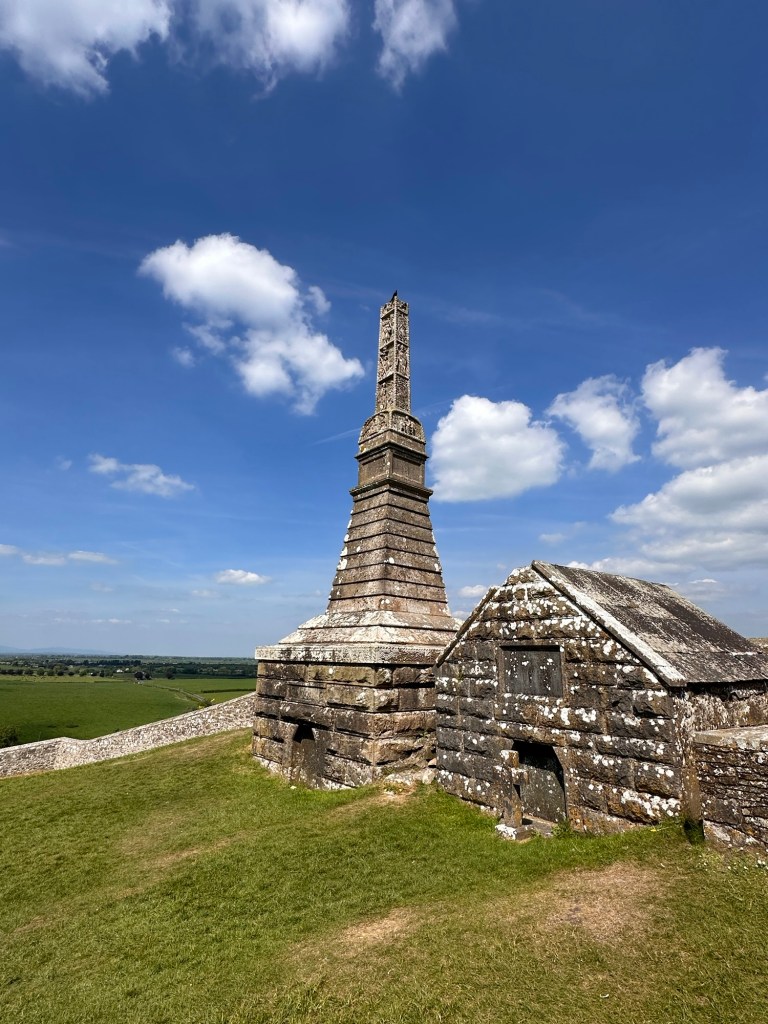
St Patrick’s Cross/Cross of Cashel was created in Ireland in the 12th C but not built in the traditional style of the period (the typical Celtic cross is more square with equal length arms). This cross was built in the Latin style; two pillars running parallel to the main body of the cross with supports at either side (more of a T shape). One side depicts the crucifixion of Christ, the other is an image of an abbot or bishop, perhaps St Patrick himself.
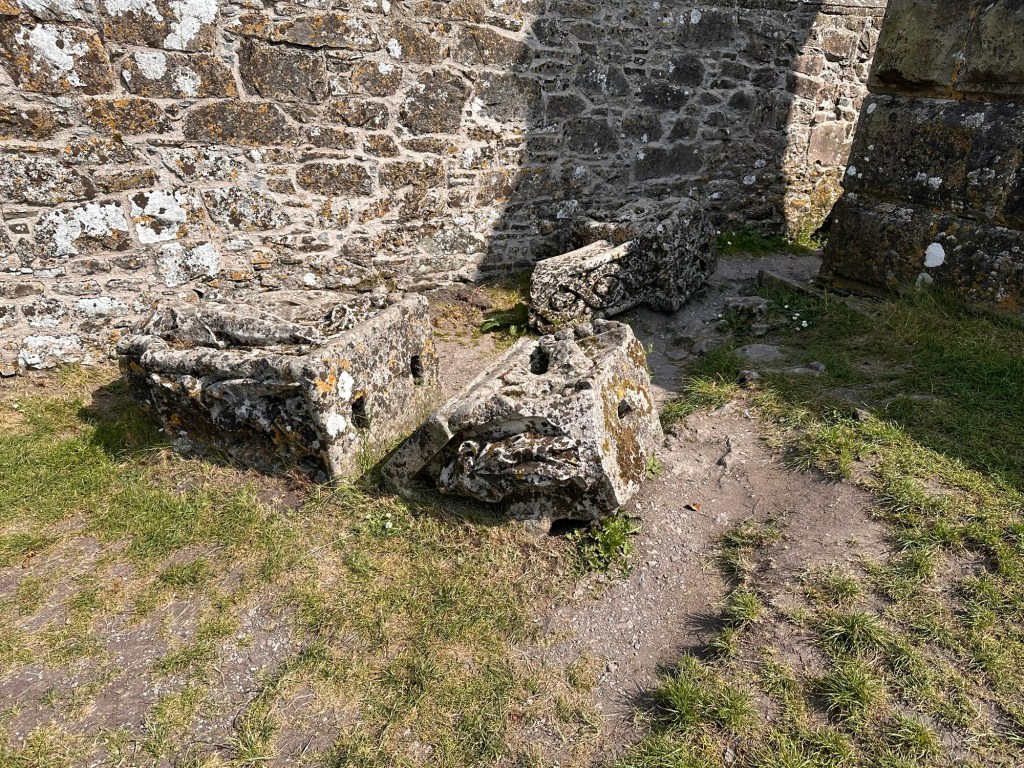
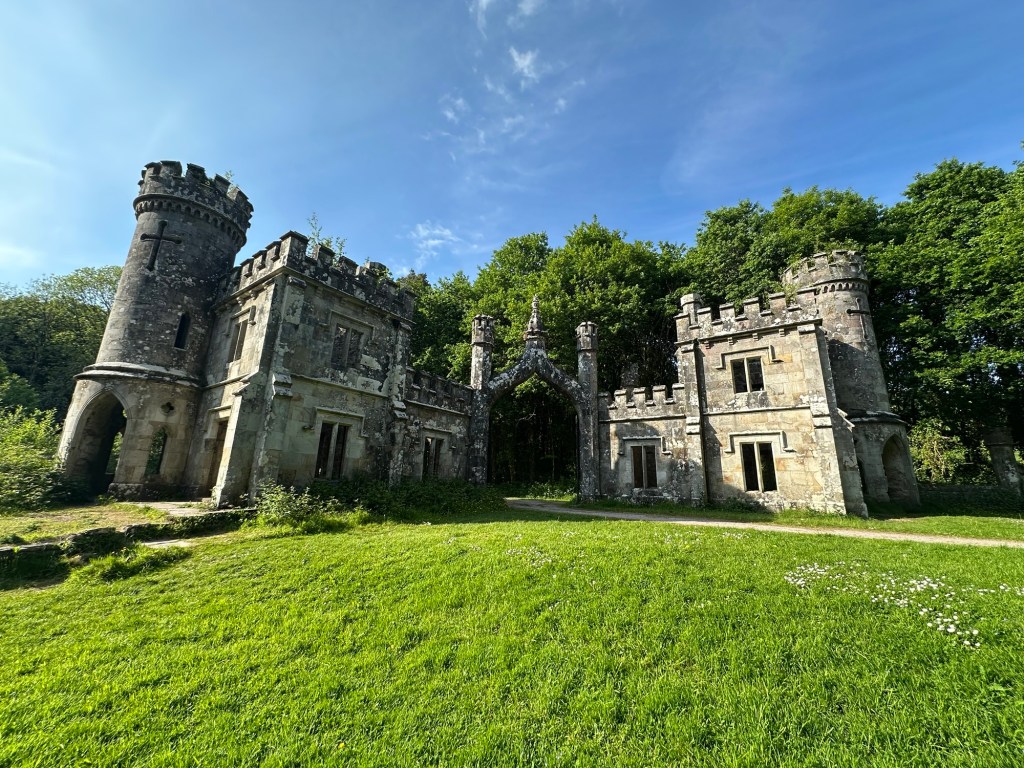
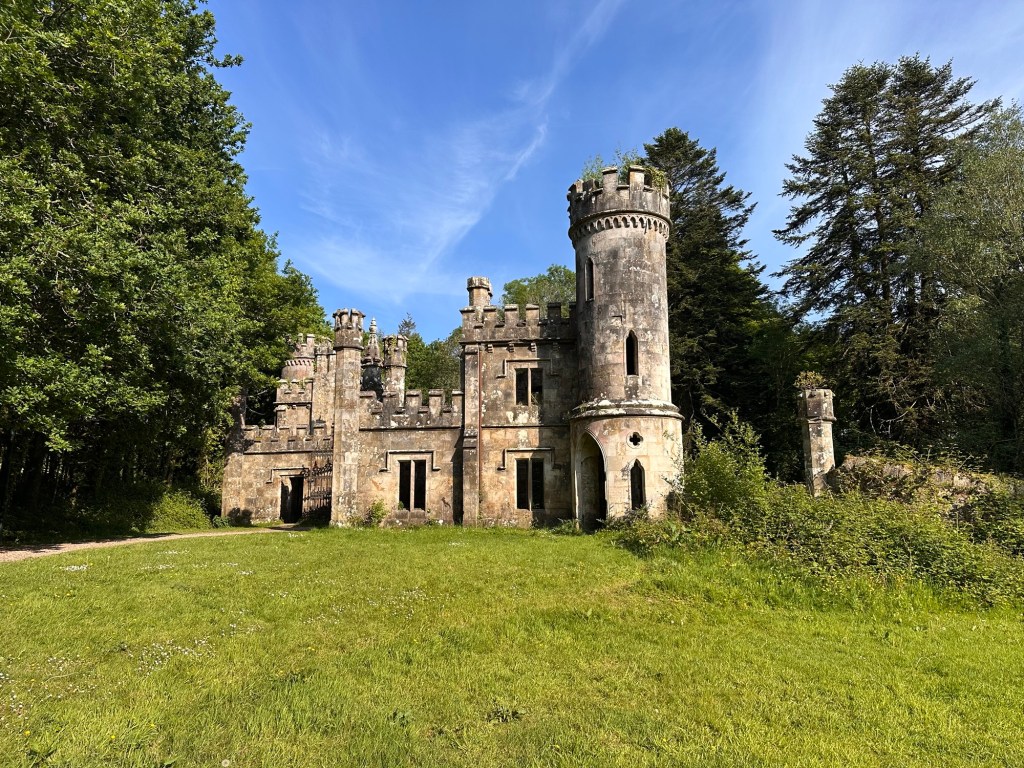
The Ballysaggartmore Towers are two imposing gothic style buildings on a wooded estate. The towers are a grand folly built by Arthur Keily-Ussher remembered more for his appallingly cruel behaviour towards his tenants during the Great Famine than for his extravagant taste in property. The petty and jealous Arthur wanted his estate to be grander than his brother’s at Strancally Castle.
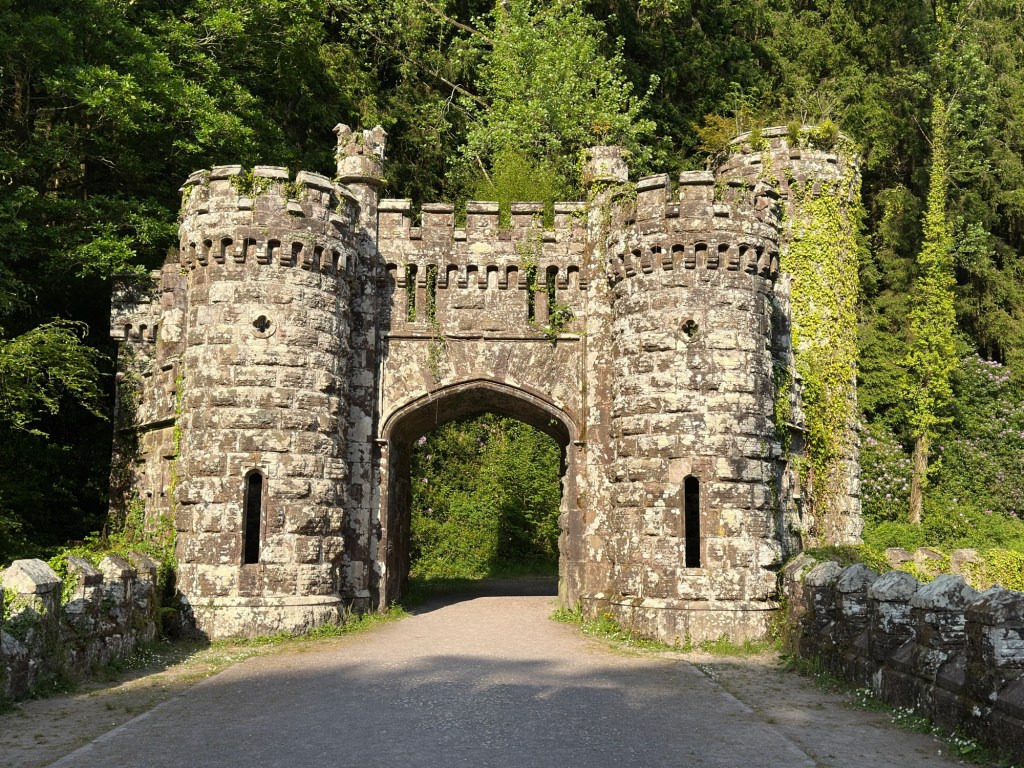
The construction of his dream castle started with these two ornate entrance lodges in 1834. But the family ran out of money during the famine and their staff quit so the mansion never got built and he and his wife had to live in the lodges.
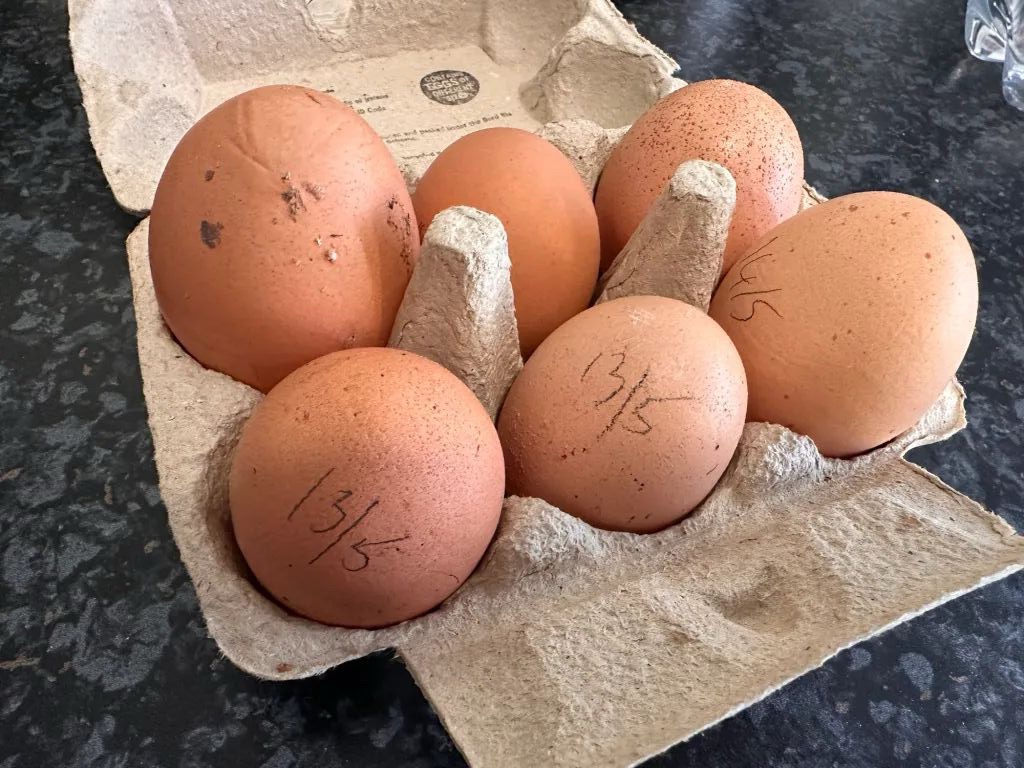
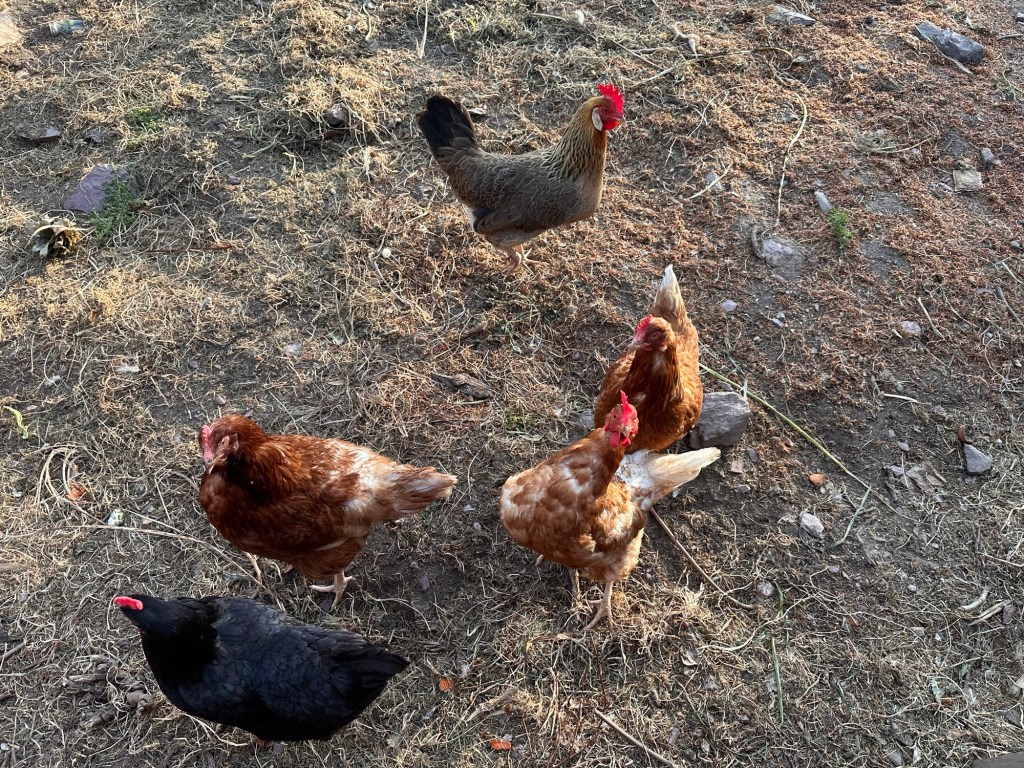
At the end of a long day, we have arrived in County Cork. We are staying at a self-catering cottage outside of the town of Cobh. Our tiny apartment is on the end of a converted farmhouse. Our rental fee includes 6 free- range eggs from the farm’s ‘happy chickens’.
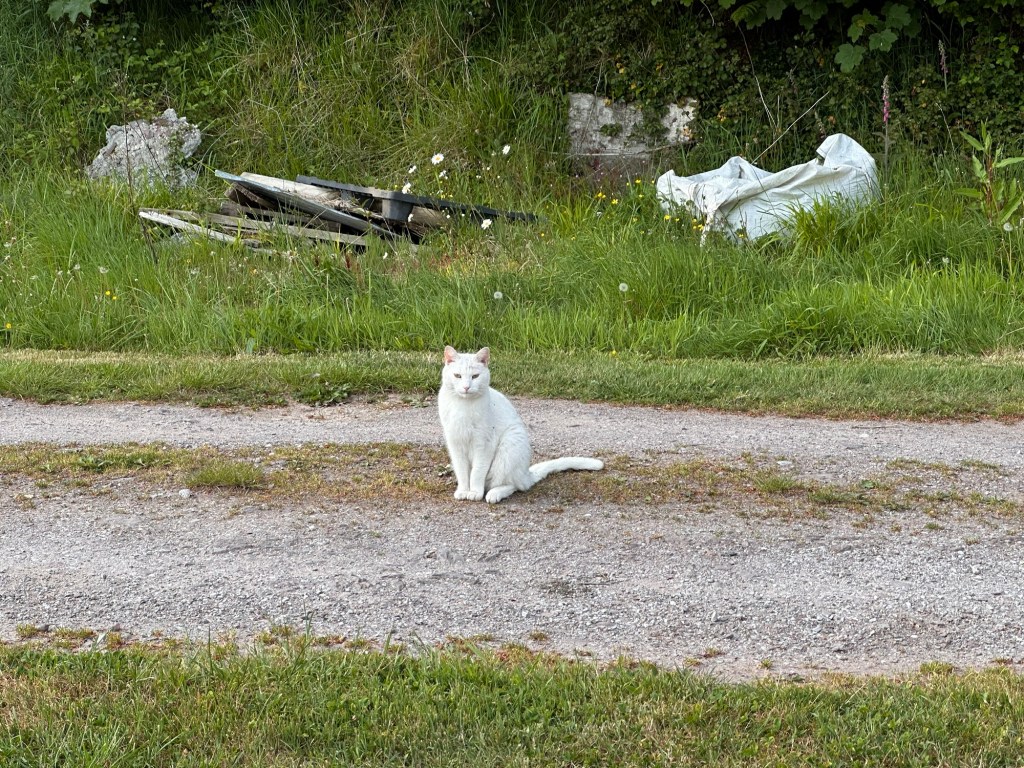
And we had a good pet session with Ned the cat.


Leave a Reply